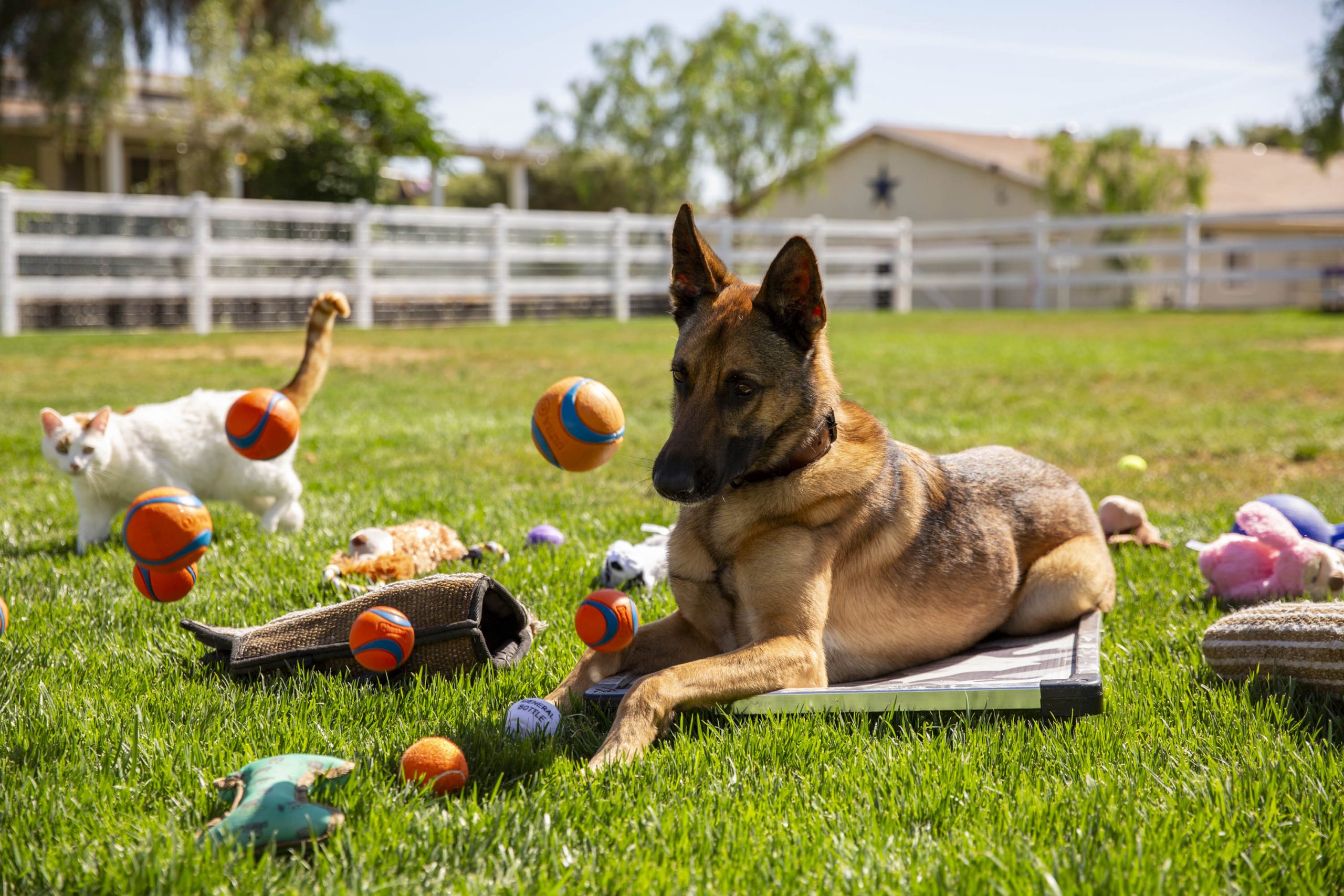
why your dog may need board and training
Having a well-behaved dog is a joy for any pet owner. However, not all dogs naturally exhibit the behaviors that we expect from them. Sometimes, dogs develop behavioral issues that can be challenging to manage, or they might require specialized training to fulfill specific roles, such as becoming a service dog. These issues can range from minor obedience challenges to more severe behavioral problems like aggression. This is where board and training programs come into play, providing a structured environment where dogs can learn and grow. If you’ve ever found yourself searching for a “dog trainer near me” or considering “aggressive dog training,” this article will help you understand why board and training may be the solution you need.
Beyond addressing behavioral issues, board and training programs can also help dogs that need to learn specific skills or tasks. For instance, service dogs require a high level of training to assist their owners effectively. These programs offer a comprehensive approach that not only targets unwanted behaviors but also builds on a dog’s potential, making them more capable and confident companions. By investing in a board and training program, pet owners can ensure that their dogs receive professional guidance tailored to their unique needs, ultimately leading to a more harmonious relationship between owner and pet.
Board and training programs involve sending your dog to stay at a training facility for a period of time. During their stay, professional trainers work intensively with your dog to address specific behavior issues or to teach them new skills. These programs are highly beneficial for dogs that need more focused training than what private lessons or day camp training might provide.
These programs are structured to provide a consistent training regimen that can be difficult to achieve at home due to daily distractions and time constraints. The immersive nature of board and training ensures that dogs receive the attention and repetition they need to learn new behaviors effectively. This type of training is particularly useful for owners who may not have the time or expertise to address complex behavioral issues on their own. Furthermore, the separation from the home environment can help reset a dog’s behavior, allowing trainers to implement new habits without interference from established routines or triggers.

Board and training programs offer several advantages:
- Intensive Training: With the dog living at the facility, trainers have the opportunity to work with them multiple times a day, ensuring that training is consistent and thorough. This continuous reinforcement helps solidify new skills and behaviors, making them more likely to stick once the dog returns home. The intensity of the training means that progress can often be seen faster than with less frequent training sessions.
- Professional Expertise: Professional trainers, including those specializing in aggressive dog training, have the skills to address even the most challenging behaviors. They bring a wealth of knowledge and experience to the table, employing a variety of techniques tailored to each dog’s needs. This expertise is invaluable for dealing with complex issues that might otherwise seem insurmountable to the average pet owner.
- Controlled Environment: The training facility provides a controlled environment that minimizes distractions, allowing the trainer to focus solely on the dog’s behavior and training needs. This controlled setting is essential for teaching complex commands or altering deeply ingrained behaviors, as it reduces the likelihood of the dog being distracted by familiar stimuli.
- Behavioral Assessment: Trainers can conduct a comprehensive behavioral assessment to tailor the training program to your dog’s specific needs. By understanding the root causes of behavioral issues, trainers can develop targeted strategies that address not only the symptoms but the underlying problems as well. This individualized approach ensures that each dog receives the most effective training possible.
When to Consider Board and Training
There are several scenarios where board and training can be particularly beneficial:
Aggressive Behavior
Aggressive behavior in dogs can be dangerous and is often one of the primary reasons owners seek out an “aggressive dog trainer near me.” Board and training can be an effective way to address aggression, as it allows trainers to work intensively with the dog and implement behavior modification techniques in a controlled setting. This environment enables trainers to gradually expose dogs to potential triggers in a safe manner, helping them learn to respond more appropriately.
Aggression can stem from various sources, including fear, territorial instincts, or past trauma. Board and training programs provide the opportunity for trainers to identify these triggers and work on desensitizing the dog. By removing the dog from their regular environment, trainers can introduce new, positive associations with previously triggering stimuli, paving the way for lasting behavioral change.
Service Dog Training
Training a service dog requires specialized skills and knowledge. Service dog trainers can use board and training programs to teach dogs the specific tasks they need to assist their owners, such as guiding visually impaired individuals or alerting people with hearing impairments. These programs often involve a rigorous curriculum designed to ensure that the dog meets the high standards required for service work.
The controlled environment of a board and training facility allows trainers to simulate real-life situations that the service dog might encounter. This immersive training helps the dog develop the confidence and reliability needed to perform their duties effectively. By the end of the program, service dogs are not only well-trained but also prepared to support their owners in a variety of everyday scenarios.
Basic Obedience and Manners
Even dogs without significant behavioral issues can benefit from board and training to learn basic obedience and good manners. This can be particularly useful for busy pet owners who might not have the time to consistently train their dogs at home. Establishing a foundation of basic obedience can prevent future behavioral problems and make daily interactions more enjoyable for both the dog and owner.
Board and training programs can cover a range of obedience skills, from simple commands like “sit” and “stay” to more complex behaviors like walking politely on a leash. These foundational skills are essential for ensuring that a dog is well-mannered in various social situations, enhancing their quality of life and their relationship with their owner.
Socialization
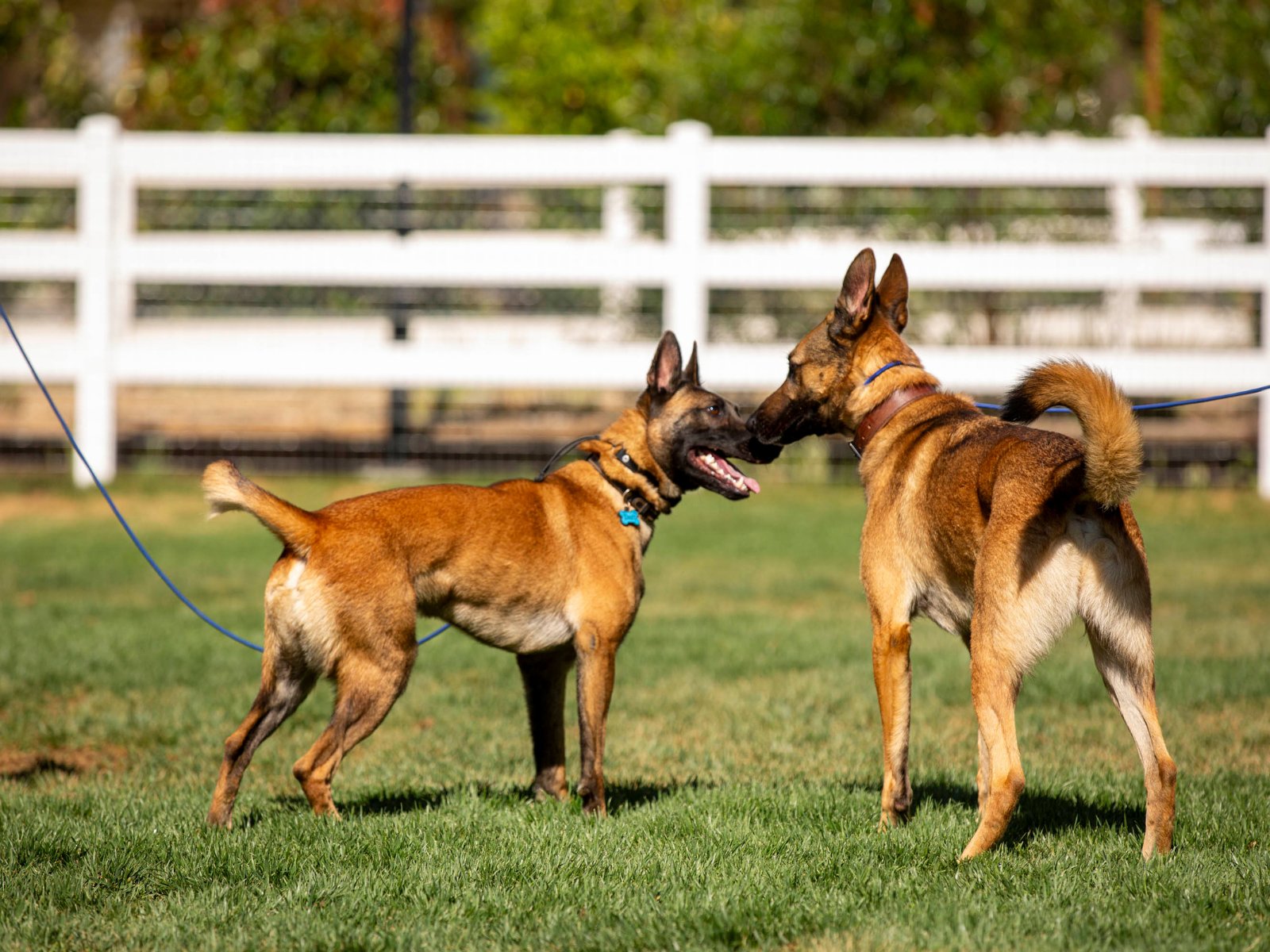
Dogs that are shy, fearful, or aggressive towards other animals or people can benefit from socialization training. Board and training programs can provide a safe space for these dogs to interact with others under the supervision of a professional trainer. Proper socialization is crucial for helping dogs develop the confidence and skills needed to navigate different social environments.
In a board and training setting, trainers can carefully introduce dogs to new experiences, gradually building their comfort levels. This gradual exposure allows dogs to learn how to interact appropriately with others, reducing anxiety and increasing their adaptability. By the end of the program, dogs often emerge more confident and better equipped to handle a variety of social situations.
Finding the Right Board and Training Facility

Choosing the right facility is crucial to the success of your dog’s training. Here are some tips to help you find the right program:
- Research: Look for facilities with positive reviews and testimonials. Searching for terms like “dog board and train near me” can provide a list of local options. Online research can also reveal any red flags, such as complaints or negative reviews, helping you make an informed decision.
- Visit the Facility: If possible, visit the facility in person to ensure it is clean, safe, and well-equipped. Observing the environment firsthand can give you insight into how your dog will be cared for during their stay. Pay attention to how the staff interacts with the animals and whether the facility feels welcoming and professional.
- Meet the Trainers: Speak with the trainers to understand their approach and ensure they have experience with your dog’s specific needs, whether it’s aggressive dog training or service dog training. A good trainer will be open about their methods and happy to discuss how they plan to address your dog’s unique challenges.
- Ask Questions: Don’t hesitate to ask about the training methods used, the daily schedule, and how progress will be communicated to you. Understanding the facility’s approach and how they plan to keep you updated is essential for ensuring a successful training experience. Clear communication is key to maintaining a strong partnership between you, the trainer, and your dog.
What to Expect During the Program
During the board and training program, your dog will stay at the facility for a predetermined period, which can range from a few weeks to several months, depending on their needs. Trainers will work with your dog on specific behaviors or skills, and you will receive regular updates on their progress. This period of immersive training is designed to instill new habits and reinforce positive behaviors.
You can expect a detailed plan outlining the goals for your dog’s training, along with a timeline for achieving these objectives. Regular communication from the facility will keep you informed of your dog’s progress and any adjustments made to the training plan. This transparency allows you to feel confident that your dog is receiving the best possible care and guidance during their stay.
Post-Training Transition
Once the program is complete, it’s essential to ensure a smooth transition back home. The facility should provide a detailed report on your dog’s progress and offer follow-up sessions or private dog lessons to reinforce what your dog has learned. These follow-up sessions are crucial for maintaining the skills and behaviors your dog acquired during training.
A successful post-training transition involves integrating the new skills into your dog’s daily routine. Trainers may offer guidance on how to continue reinforcing positive behaviors at home, ensuring that the progress made during the program is sustained. By following these recommendations, you can help your dog adjust to their new, improved behavior and strengthen your bond.
Conclusion
Board and training programs are a valuable resource for addressing a variety of dog behavior issues and training needs. Whether you’re dealing with aggression, seeking service dog training, or just want to improve your dog’s manners, these programs can provide the intensive, professional training your dog needs. By choosing a reputable facility and working closely with experienced trainers, you can help your dog become a well-behaved and happy companion.
The benefits of board and training extend beyond immediate behavioral improvements. These programs offer long-term solutions by equipping dogs with the skills they need to thrive in various environments. Investing in a board and training program is an investment in your dog’s future, ensuring they lead a fulfilling and well-adjusted life. By taking the time to find the right program and committing to the process, you can create a positive impact on your dog’s behavior and overall well-being.