What type of dog training should I get for my dog?
In this guide, we’ll explore different dog training methods and help you determine the best fit for your canine companion. From understanding basic obedience to tackling specific behavioral issues, selecting the appropriate training can pave the way for a fulfilling partnership between you and your pet. So, whether you’re a first-time dog owner or looking to refine your dog’s skills, this comprehensive overview will guide you in making informed decisions about your dog’s training journey.
Dog training is not a one-size-fits-all endeavor. It comes in various forms, each designed to address different aspects of a dog’s behavior and development. Understanding these different types can help you choose the best approach for your pet. Whether your goal is to teach basic commands, correct behavioral issues, or engage in specialized training, recognizing the nuances of each type is crucial.
Each training type serves a specific purpose, and the choice often depends on the individual dog’s needs, temperament, and the owner’s goals. While some dogs may require basic obedience lessons, others might benefit from advanced training methods tailored to their energy levels or roles. By familiarizing yourself with these options, you can make informed decisions that enhance your dog’s learning experience and your relationship with them.
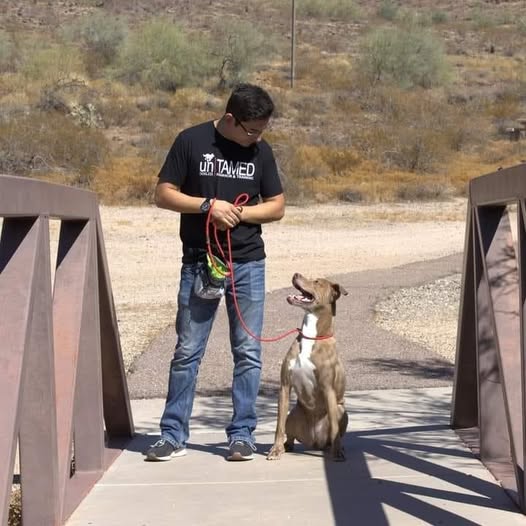
Obedience training is the foundation for all other types of training. It focuses on teaching your dog basic commands like sit, stay, come, and heel. This type of training is crucial for ensuring that your dog behaves well in various situations, both at home and in public. By establishing these fundamentals, you create a framework for your dog to understand expectations and boundaries, which can prevent potential behavioral issues down the line.
If you’re searching for “dog training near me,” obedience training is a great place to start. It sets the groundwork for more advanced training and helps create a strong bond between you and your dog. Through consistent practice and positive reinforcement, obedience training can transform your pet into a well-mannered companion. Additionally, these sessions often provide owners with valuable insights into canine behavior, helping to foster a deeper connection with their dogs.
For new puppy owners, “puppy training near me” is a common search. Puppy training classes are specifically designed for young dogs. These classes focus on socialization, basic commands, and addressing common puppy behaviors like biting and house training. Early training is essential as it shapes a puppy’s understanding of the world around them, helping them grow into confident and balanced adults.
Puppy training is important because it helps young dogs learn how to interact with people and other animals. It’s a crucial step in ensuring your puppy grows into a well-adjusted adult dog. By exposing puppies to various environments, sounds, and experiences, these classes help reduce fear and anxiety. Moreover, early training can prevent the development of undesirable behaviors, making the transition into adulthood much smoother for both the puppy and the owner.
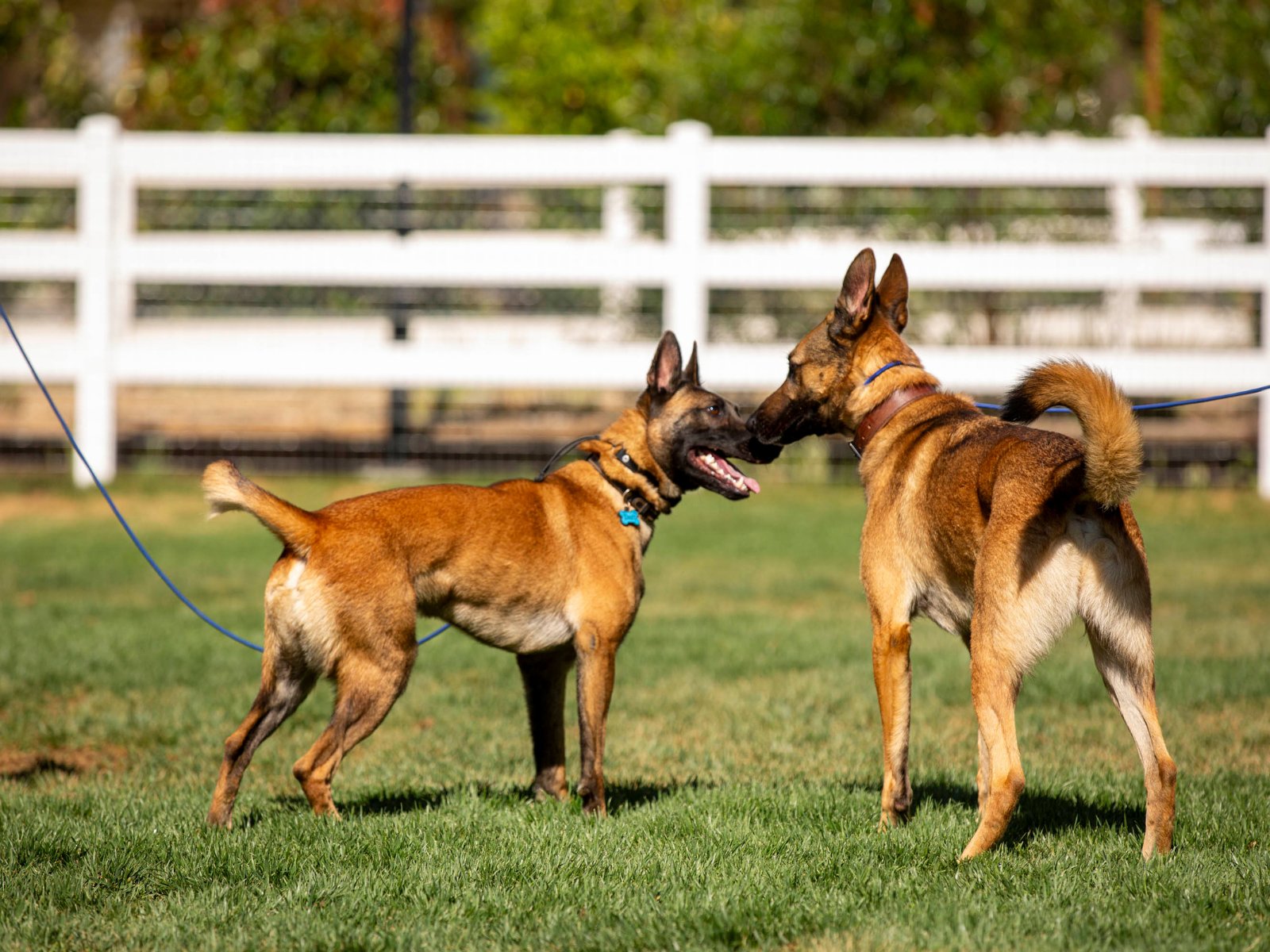
K9 training, also known as canine training, is a specialized form of training often used for working dogs. This type of training is ideal for dogs who will be performing specific tasks, such as police work, search and rescue, or service dog duties. These dogs undergo rigorous training to develop the skills and discipline required for their demanding roles, making them invaluable assets in various fields.
If you’re looking for “K9 training near me,” it’s essential to find a trainer with experience in this area. K9 training is intensive and requires a knowledgeable and skilled trainer to guide both you and your dog through the process. The training not only focuses on task-specific skills but also emphasizes obedience, endurance, and the ability to work under stress. Selecting the right trainer ensures that your dog receives the guidance necessary to excel in their duties while maintaining their well-being.
Behavioral training addresses specific issues that a dog might have, such as aggression, excessive barking, or separation anxiety. This type of training is often sought out when a dog exhibits problematic behaviors that are disruptive or dangerous. Understanding the underlying causes of these behaviors is crucial for effective intervention, as it allows for targeted and compassionate solutions.
When searching for the “best dog trainer near me,” consider their experience with behavioral issues. A skilled trainer can help identify the root cause of the behavior and work with you to correct it. Behavioral training often involves a combination of techniques, including behavior modification, positive reinforcement, and environmental management. By addressing these issues early on, owners can improve their dog’s quality of life and create a more harmonious household.
Agility training is a fun and active way to engage with your dog. It involves teaching your dog to navigate an obstacle course, which can include jumps, tunnels, and weave poles. This type of training is great for high-energy dogs and can be a fun way for you and your dog to bond. Agility training not only provides physical exercise but also challenges your dog’s mental acuity, enhancing their problem-solving skills and confidence.
If you’re interested in agility training, look for “agility dog training near me” to find local classes or clubs that offer this type of training. Participating in agility courses can improve your dog’s coordination and obedience, as they learn to follow commands quickly and accurately. Additionally, agility training can be a social activity, allowing you and your dog to meet and interact with other like-minded individuals, fostering a sense of community and shared accomplishment.
Finding the right trainer is just as important as choosing the right type of training. Here are some tips to help you find the best dog trainer for your needs:
- Research and Reviews: Start by searching for “best dog trainer near me” and read reviews from other dog owners. Look for trainers with positive feedback and a good reputation in the community. Reviews can provide insights into the trainer’s effectiveness, approach, and professionalism, helping you make an informed decision.
- Credentials and Experience: Check the trainer’s credentials and experience. A qualified trainer should have formal education in animal behavior or a certification from a recognized organization. Experience with a variety of breeds and behavioral issues is also a strong indicator of a trainer’s capability.
- Training Methods: Inquire about the trainer’s methods and philosophy. Positive reinforcement is a widely accepted and effective training method that focuses on rewarding good behavior rather than punishing bad behavior. Understanding the trainer’s approach ensures it aligns with your values and your dog’s needs.
- Compatibility: Ensure that the trainer’s approach aligns with your goals and values. A good trainer will be willing to tailor their methods to fit your dog’s unique needs. Compatibility also includes the trainer’s ability to communicate effectively with you, providing clear instructions and feedback throughout the training process.
Investing in professional dog training offers numerous benefits for both you and your dog:
- Improved Behavior: Training helps curb unwanted behaviors, making your dog more enjoyable to be around. By addressing issues early on, you can prevent them from becoming ingrained habits, leading to a more harmonious living environment.
- Enhanced Communication: Training strengthens the bond between you and your dog by improving communication and understanding. As you learn to interpret your dog’s signals and they learn to respond to your commands, mutual trust and respect are built.
- Safety: A well-trained dog is less likely to engage in dangerous behaviors, such as running into traffic or approaching aggressive animals. Training instills a sense of discipline and awareness, ensuring your dog’s safety in various situations.
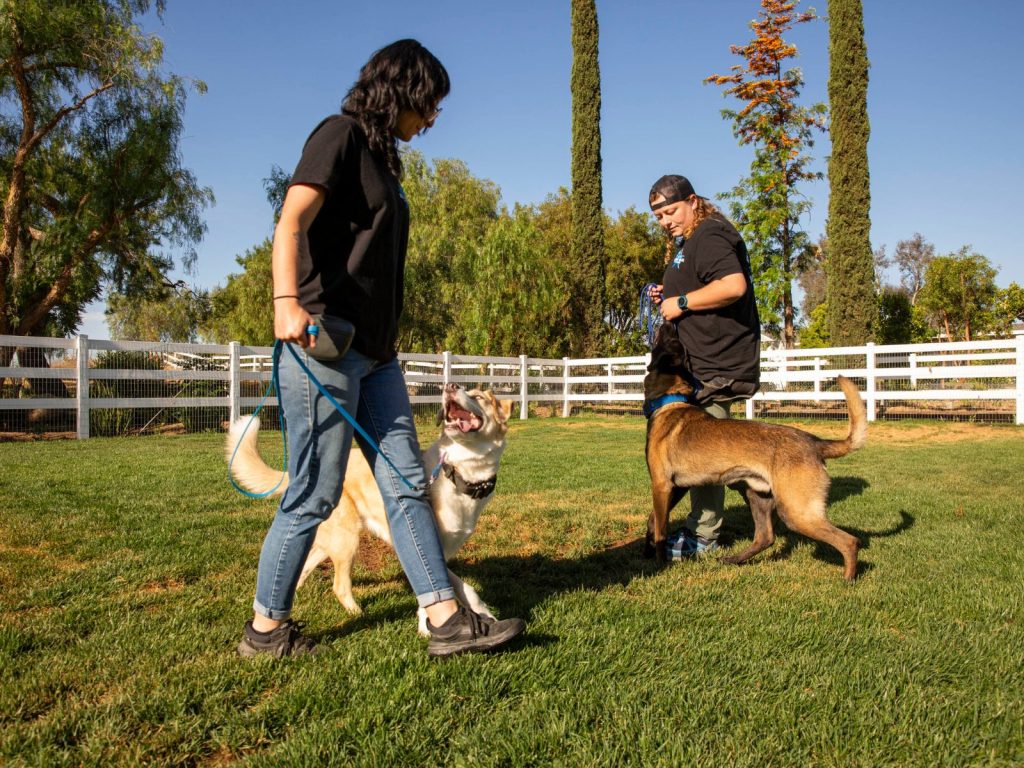
- Socialization: Training classes provide an opportunity for your dog to socialize with other dogs and people, which is crucial for their development. Exposure to different environments and interactions helps reduce anxiety and fosters a well-adjusted, confident dog.
While professional training offers many benefits, some dog owners may prefer to train their dogs at home. Here are some factors to consider when deciding between at-home training and professional classes:
- Time and Commitment: Professional classes require a time commitment and may not fit into everyone’s schedule. At-home training offers flexibility but requires discipline and consistency. Owners must be proactive in setting aside regular training sessions and following through with exercises.
- Resources: Professional trainers have access to a wide range of tools and resources that can enhance the training process. At-home training may require additional research and investment in materials. Online resources, books, and training aids can supplement your efforts, but they require careful selection and application.
- Expertise: Professional trainers bring expertise and experience to the table, which can be invaluable for addressing complex behaviors or specific training goals. Their insights and guidance can accelerate the training process and provide solutions to challenges that may arise.
Choosing the right type of dog training is a crucial step in ensuring a happy and harmonious life with your furry friend. By understanding the different types of training available and finding the right trainer, you can set your dog up for success and enjoy a strong, lifelong bond. The investment in training is an investment in your dog’s well-being, ensuring they live a fulfilled and balanced life.
Remember, whether you’re looking for “puppy trainer near me” or “K9 trainer,” investing in your dog’s education is always a wise decision. With the right training, your dog will not only be well-behaved but also a happy and confident companion. As you embark on this journey, keep in mind that patience, consistency, and love are key components of successful training, paving the way for a rewarding relationship with your dog.