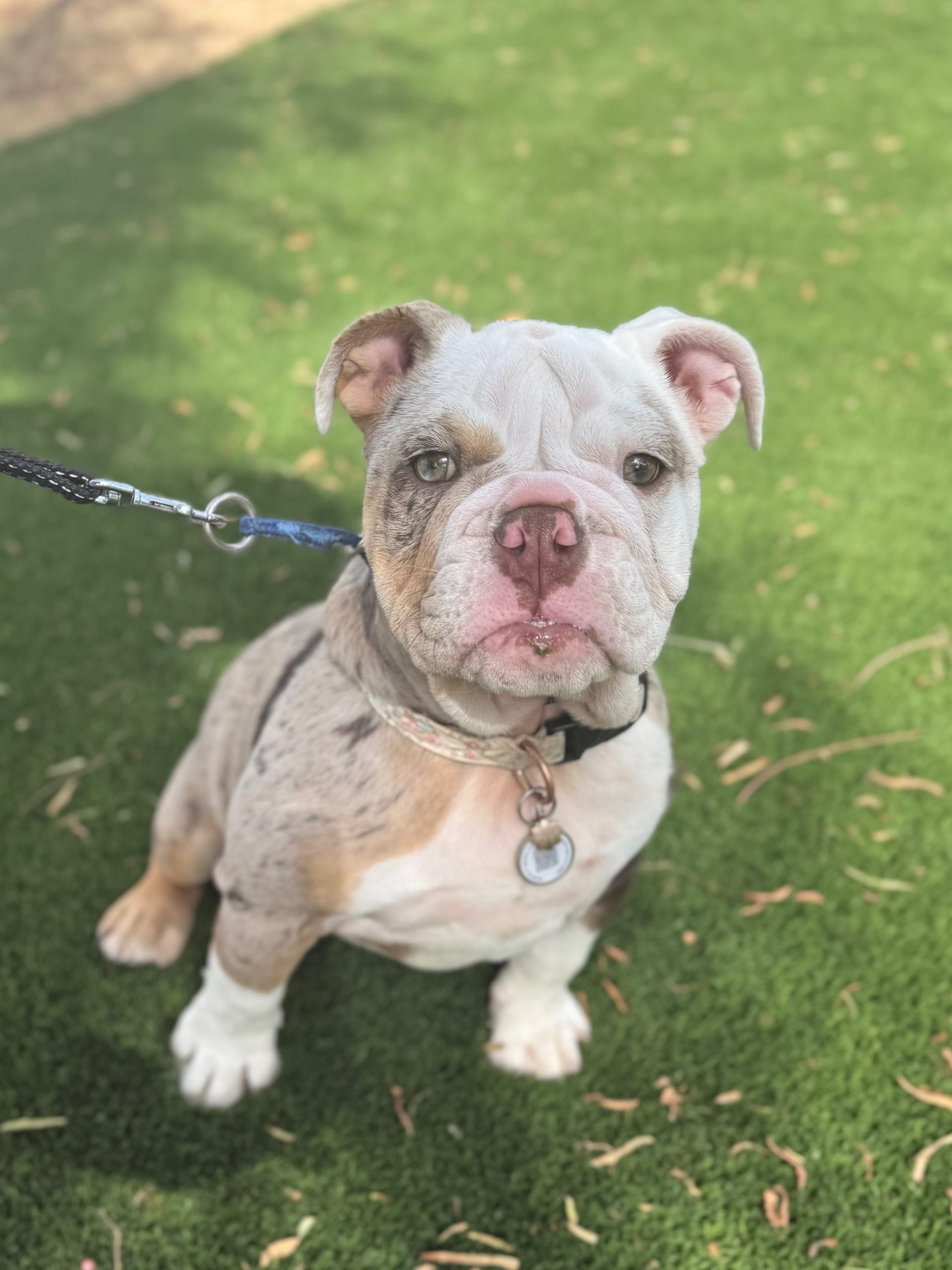
What Does A Quality Dog Trainer Look Like?

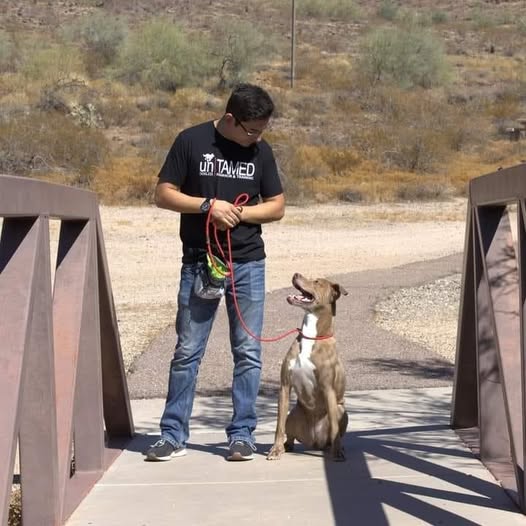
Dog training involves teaching a dog to perform certain behaviors or stop undesirable ones. The process can range from basic commands like “sit” and “stay” to more complex skills such as agility training or advanced obedience. A quality dog trainer will tailor their techniques to fit the needs of the dog and the goals of the owner, recognizing that each dog is unique and may require a different approach. The trainer’s ability to personalize training plans ensures that both the dog and the owner are set up for success, fostering a cooperative and enjoyable learning environment.
The Importance of Early Training
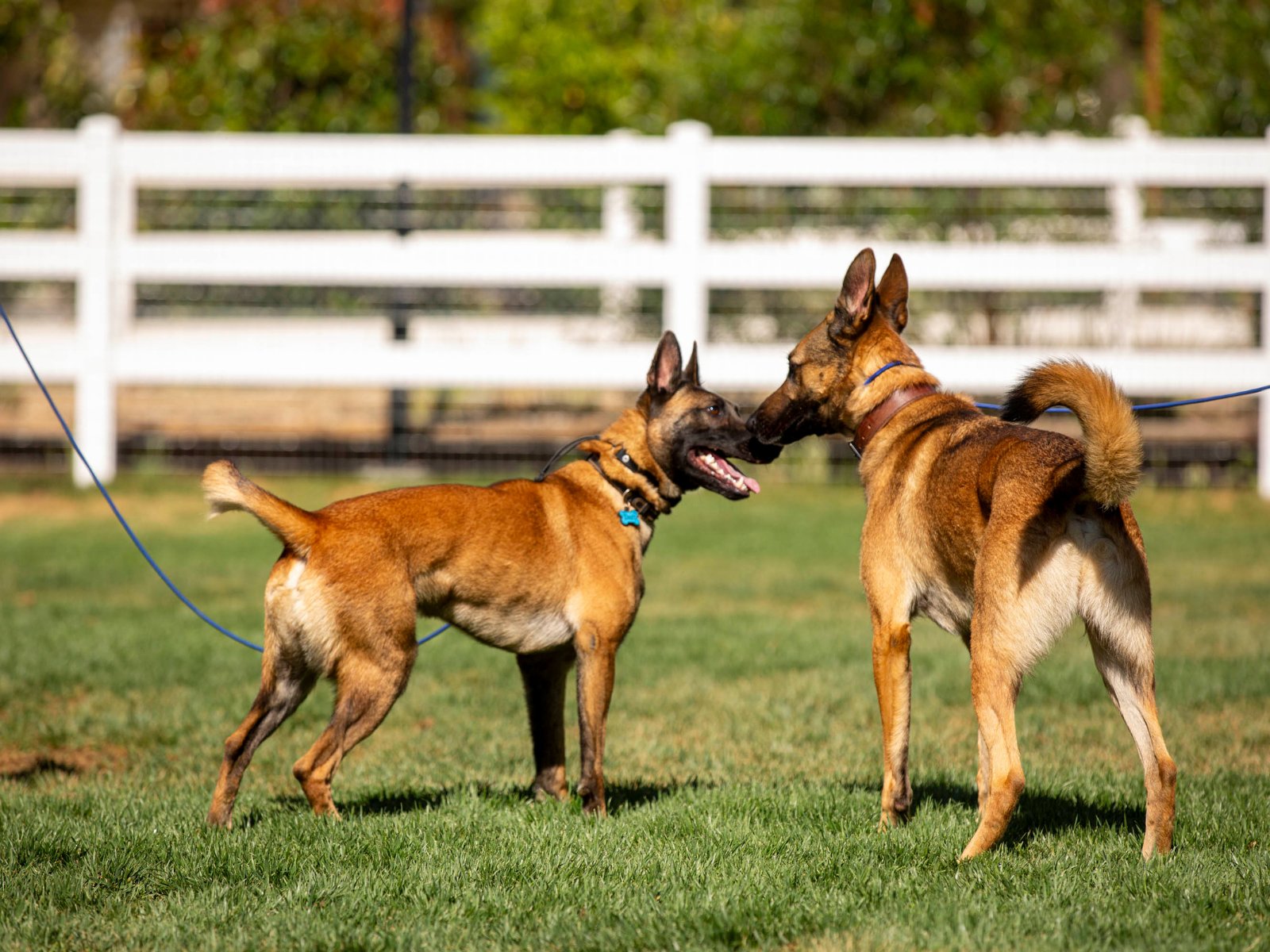
Early training, especially for puppies, is crucial for their development. Puppies are at an impressionable age where they learn quickly, making it the perfect time to establish good habits. A quality trainer knows how to engage a puppy’s curiosity and energy, making learning fun and effective. They understand that early training can prevent the development of behavioral issues and lay the groundwork for a well-adjusted adult dog. Moreover, early training also helps in socializing puppies, teaching them how to interact with other dogs and humans, which is vital for their overall well-being.
Traits of a Quality Dog Trainer

When evaluating potential dog trainers, consider the following traits that distinguish a quality trainer from the rest:
Patience and Understanding
Training a dog can be a slow process, requiring time and dedication. A quality trainer remains patient and calm, understanding that dogs learn at their own pace. They never resort to harsh methods but instead use positive reinforcement to encourage desired behaviors. This patience extends to working with the dog owners as well, helping them understand the importance of consistency and persistence in training. A patient trainer creates a stress-free environment that is conducive to learning, making the experience enjoyable for both the dog and the owner.
Strong Communication Skills
A good dog trainer doesn’t just communicate well with dogs; they also excel in communicating with humans. They should be able to clearly explain training techniques, provide feedback, and offer guidance to ensure you’re comfortable continuing the training at home. Effective communication is key to ensuring that the dog owner understands the rationale behind each training exercise, which increases the likelihood of success. Moreover, a trainer who communicates well can adapt their explanations to suit the owner’s level of experience, making the learning process smooth and efficient.
Experience and Certifications
Experience is invaluable in dog training. Look for trainers who have a proven track record and can provide references or testimonials from satisfied clients. Certifications from reputable organizations, such as the Certification Council for Professional Dog Trainers (CCPDT), indicate a commitment to maintaining high standards and continuing education. These certifications show that the trainer is up-to-date with the latest training techniques and ethical standards, which is essential for providing the best possible service. Additionally, experienced trainers have encountered a wide range of behaviors and can handle unexpected challenges with confidence and skill.
Adaptability
Every dog is different, and a quality trainer knows how to adapt their methods to suit individual dogs’ needs. They can modify training plans as needed to address unique challenges and make the most of your dog’s strengths. Adaptability is essential when dealing with various breeds, temperaments, and ages, as each may require a different approach. A flexible trainer can quickly assess a dog’s response to training and adjust their techniques accordingly, ensuring that the dog remains engaged and motivated throughout the process.
Types of Dog Training
Dog trainers may specialize in different types of training. Understanding these can help you find the right fit for your needs, as each type of training serves a distinct purpose.
Obedience Training
Obedience training focuses on teaching dogs basic commands and good manners. This is often the first step for most dog owners and helps establish a strong foundation for future training. A quality trainer will ensure that the dog not only learns the commands but also understands their importance in everyday life. Obedience training can prevent behavioral problems, enhance communication between the owner and the dog, and create a harmonious living environment. It sets the stage for more advanced training, ensuring that the dog is well-behaved and responsive to commands.
Behavioral Training
Behavioral training addresses specific issues such as excessive barking, biting, or leash pulling. A quality trainer will use techniques that correct these behaviors without causing stress or fear in your dog. They focus on understanding the root cause of the behavior and work on modifying it in a humane and effective manner. By addressing these issues early on, behavioral training can prevent them from becoming ingrained habits, ensuring that your dog remains a happy and well-adjusted member of the family. The trainer’s expertise in behavioral modification can also provide owners with valuable insights into their dog’s behavior, promoting a deeper understanding and bond.
Specialized Training
Some trainers offer specialized training in areas like agility, search and rescue, or service dog training. If you have specific goals for your dog’s training, seek out a trainer with expertise in that area. Specialized training requires a different skill set and knowledge base, as it often involves teaching dogs complex tasks and behaviors. A trainer with experience in a particular specialty can provide the guidance and support needed to achieve your objectives, whether you’re preparing your dog for competition or training them to assist with a disability. The right specialized training can enhance your dog’s abilities and open up new opportunities for bonding and interaction.
Finding a Dog Trainer Near You

by YUNAN WANG (https://unsplash.com/@eysmanpics)
Searching for “dog training near me” or “puppy trainer near me” is a good start, but finding the right trainer involves more than just proximity. Here are some steps to ensure you choose wisely:
Research and Reviews
Start by researching trainers in your area. Look for reviews online and ask for recommendations from fellow dog owners, veterinarians, or local pet stores. Pay attention to both positive and negative feedback to get a balanced view. Reviews can provide insights into the trainer’s professionalism, effectiveness, and overall approach, helping you narrow down your options. Additionally, consider reaching out to local dog clubs or organizations, as they often have valuable insights and recommendations based on their experiences with various trainers.
Initial Consultation
Many trainers offer an initial consultation. This is a great opportunity to ask questions, observe their interaction with dogs, and determine if their training style aligns with your expectations. Use this time to discuss your goals and any specific concerns you have about your dog. The consultation allows you to gauge the trainer’s expertise and assess whether their approach matches your philosophy on dog training. It’s also a chance to see how your dog responds to the trainer, as a positive interaction can indicate a successful partnership.
Observe a Class
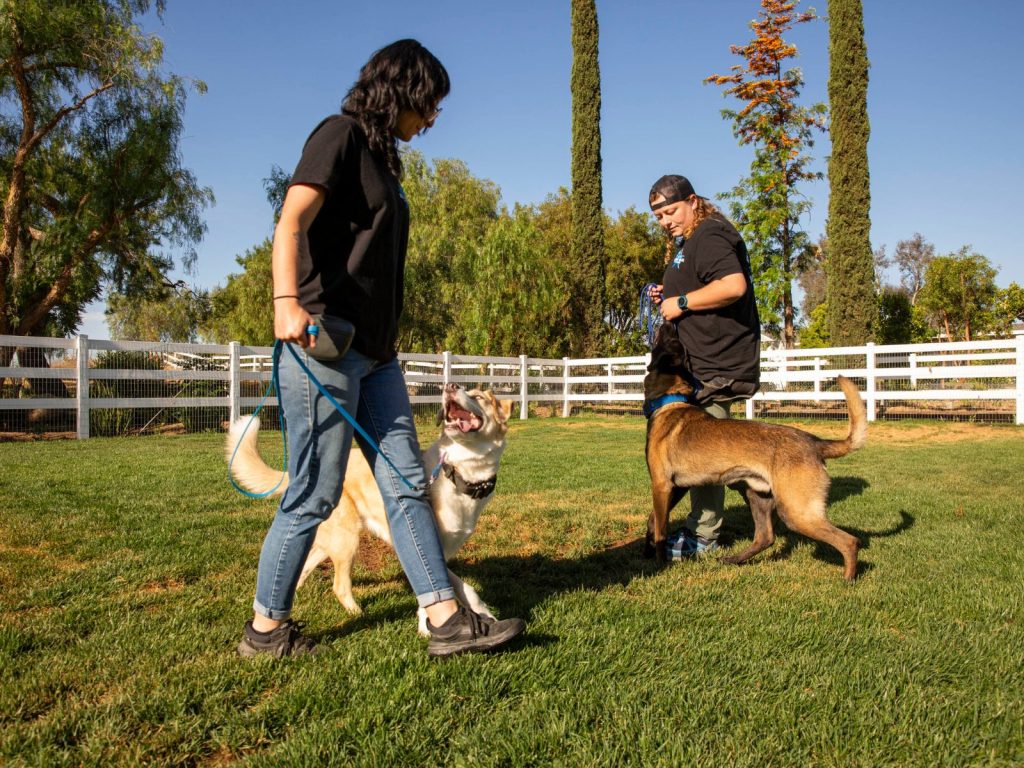
If possible, observe a training session to see the trainer in action. This will give you insights into how they handle dogs, engage with owners, and manage the class environment. Observing a class can reveal the trainer’s ability to maintain control, address individual needs, and create a positive atmosphere. It also allows you to see firsthand how other dogs respond to the trainer’s methods, providing a clearer picture of what to expect. This step can be invaluable in making an informed decision about whether the trainer is the right fit for you and your dog.
The Role of Positive Reinforcement
Positive reinforcement is a cornerstone of effective dog training. This approach rewards good behavior with treats, praise, or play, making it more likely that the dog will repeat the behavior. A quality trainer will emphasize positive reinforcement, helping to build a trusting relationship between you and your dog. This method not only encourages desired behaviors but also fosters a sense of security and confidence in your dog. By focusing on positive interactions, you create an environment where your dog is eager to learn and engage, strengthening the bond between you and promoting long-term behavioral success.
Building a Lasting Relationship
Choosing the right dog trainer is the first step in a journey that can significantly enhance your relationship with your dog. Training isn’t just about commands; it’s about building a bond based on trust and mutual understanding. This relationship is nurtured through consistent and effective training, where both the dog and the owner learn to communicate and cooperate. A quality trainer acts as a guide in this process, providing the tools and support needed to develop a strong and lasting connection with your dog.
Continued Learning and Practice
Remember, training doesn’t end when the class does. A quality dog trainer will provide you with the tools and knowledge to continue training at home. Consistent practice reinforces what your dog has learned and strengthens your bond. This ongoing learning process ensures that your dog remains well-behaved and responsive to your commands, even in new or challenging situations. By committing to regular practice and building on the foundation established in training, you can enjoy a harmonious and fulfilling relationship with your dog.
Support and Resources
A good trainer will also offer ongoing support. Whether through follow-up sessions, online resources, or phone consultations, they should be available to help you navigate any challenges that arise. This support system ensures that you have access to expert advice when you need it, helping you address any issues that may develop over time. By providing resources and guidance, a quality trainer empowers you to continue your dog’s education and development, ensuring a successful and rewarding training experience.
Conclusion
Finding a quality dog trainer requires careful consideration of their experience, approach, and compatibility with your dog’s needs. By focusing on positive reinforcement, clear communication, and adaptability, you can ensure a successful training experience that lays the foundation for a happy, well-behaved dog. In your quest for “dog training near me” or “puppy trainer near me,” remember that the right trainer can make all the difference in your dog’s development and your enjoyment as a pet owner. Choose wisely, and invest in a partnership that will benefit you and your dog for years to come, creating a harmonious and joyful life together.