Finding Local Dog Training Classes Today

Dog training is not just about teaching your pet to sit, stay, or fetch; it’s about building a communication bridge between you and your dog. It fosters a mutual understanding where your dog learns what behaviors are expected and how to interact with you and their environment appropriately. Effective training can help reduce behavioral issues, build confidence in your pet, and create a strong bond between you and your dog, making everyday life more enjoyable and less stressful for both parties.
Benefits of Dog Training
Dog training offers myriad benefits that extend beyond basic obedience.
- Behavior Management: Proper training addresses common issues like excessive barking, jumping, and chewing, which can be frustrating for pet owners. It provides dogs with clear guidance on acceptable behaviors, reducing misunderstandings and fostering a peaceful home environment.
- Safety: Training ensures your dog responds to commands, keeping them and others safe in potentially dangerous situations. This is crucial in preventing accidents and ensuring that your dog behaves predictably in public spaces, around strangers, and near traffic.
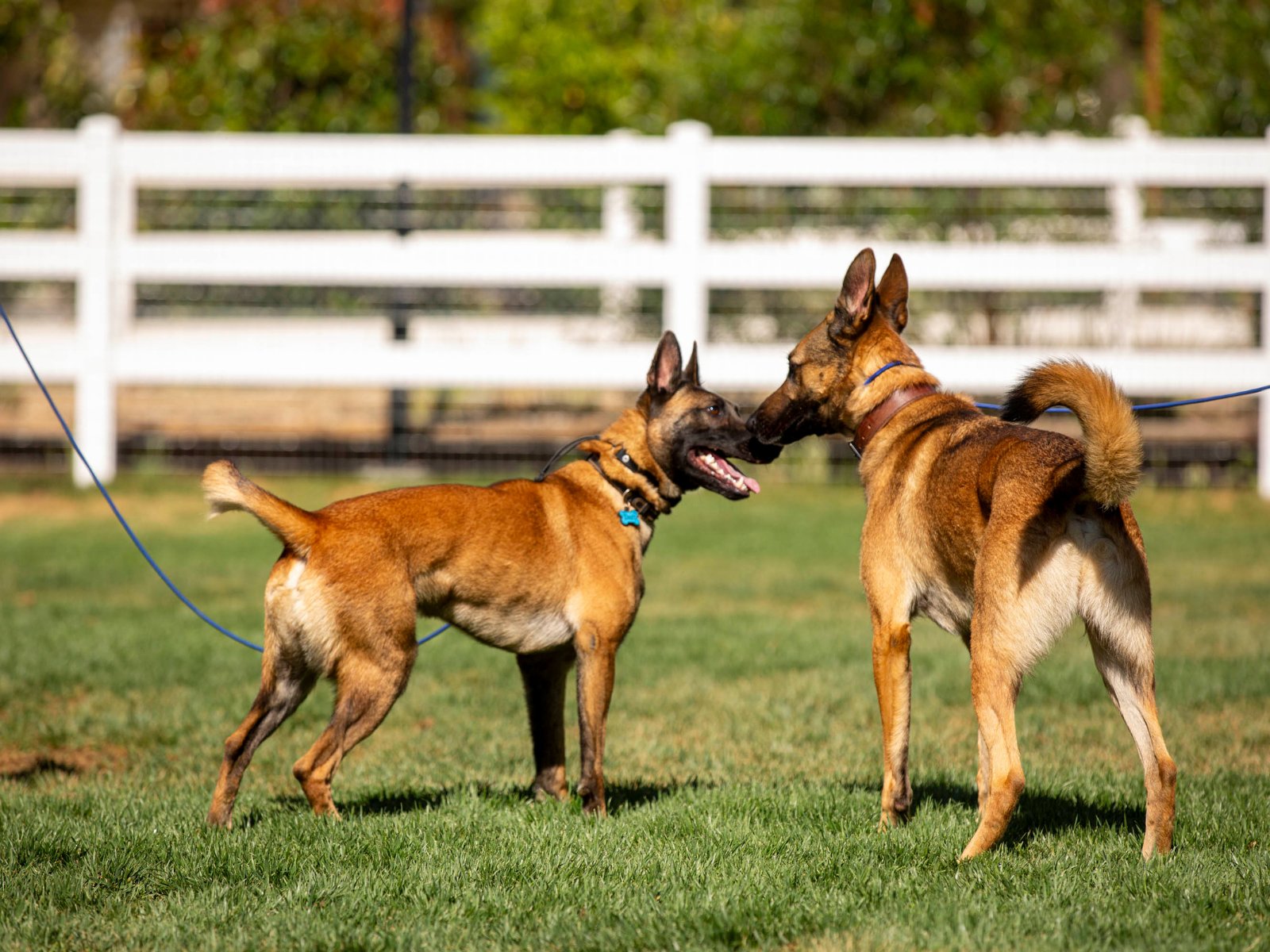
- Socialization: Classes provide an opportunity for your dog to interact with other dogs and people, which is essential for building their social skills. Well-socialized dogs are more confident and less likely to develop fear or aggression towards unfamiliar people or animals.
Types of Dog Training Classes
Before you start searching for “dog training near me,” it’s essential to understand the different types of classes available. Each type of training serves a distinct purpose, catering to different stages of your dog’s development and addressing specific behavioral needs.
Obedience Training
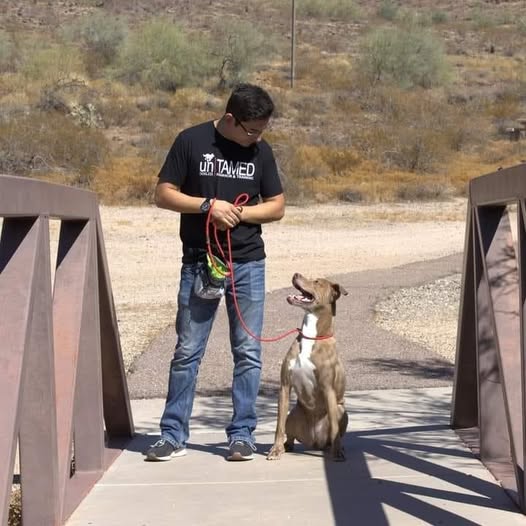
Obedience training focuses on teaching your dog basic commands like sit, stay, and come. It’s suitable for dogs of all ages and is a fundamental aspect of training that lays the groundwork for more advanced skills. This type of training not only instills discipline in your dog but also enhances their ability to understand and follow instructions, which is crucial for their safety and your peace of mind.
Puppy Training

Puppy training is tailored for young dogs and focuses on socialization, basic commands, and handling. Starting training at a young age helps set the foundation for a well-behaved adult dog. It is also the perfect time to introduce your puppy to different environments, sounds, and people, ensuring they grow into adaptable and well-adjusted dogs. Early training can prevent the development of undesirable behaviors and ease the transition into adulthood.
Advanced Training
For dogs that have mastered basic commands, advanced training offers more challenging tasks. This can include agility training, trick training, and more, providing mental stimulation and physical exercise. Advanced training is also a great way to deepen the bond with your dog, as it requires more interaction and engagement from both the owner and the pet. It can lead to participation in dog sports, enhancing your dog’s skills and your enjoyment.
Specialized Training
Some dogs may need specialized training, such as service dog training, therapy dog training, or training for specific behavioral issues. Specialized training is tailored to meet the unique needs of individual dogs, providing them with the skills required to perform specific tasks or modify certain behaviors. For example, service dogs are trained to assist individuals with disabilities, while therapy dogs are prepared to provide comfort and support in various settings.
Finding the Right Dog Trainer Near You
When searching for a “dog trainer near me” or “puppy trainer near me,” there are several factors to consider to ensure you choose the best fit for your dog’s needs. The right trainer will not only improve your dog’s behavior but also enhance your relationship with your pet, making training a positive and rewarding experience for both of you.
Qualifications and Experience
Look for trainers with certifications from reputable organizations such as the Association of Professional Dog Trainers (APDT) or the International Association of Canine Professionals (IACP). These certifications ensure that the trainer has undergone rigorous training and adheres to ethical standards. Experience is key, so inquire about the trainer’s background and past success stories. A seasoned trainer will have dealt with various dog breeds and behavioral issues, providing them with the insight needed to address your dog’s specific needs.
Training Methods
Different trainers use varying techniques, from positive reinforcement to clicker training. Positive reinforcement, which involves rewarding desired behaviors, is widely regarded as an effective and humane method. It’s vital to choose a trainer whose methods align with your values and your dog’s temperament. Understanding the trainer’s approach will help you gauge whether it will be effective for your dog and comfortable for you to implement.
Class Size and Environment
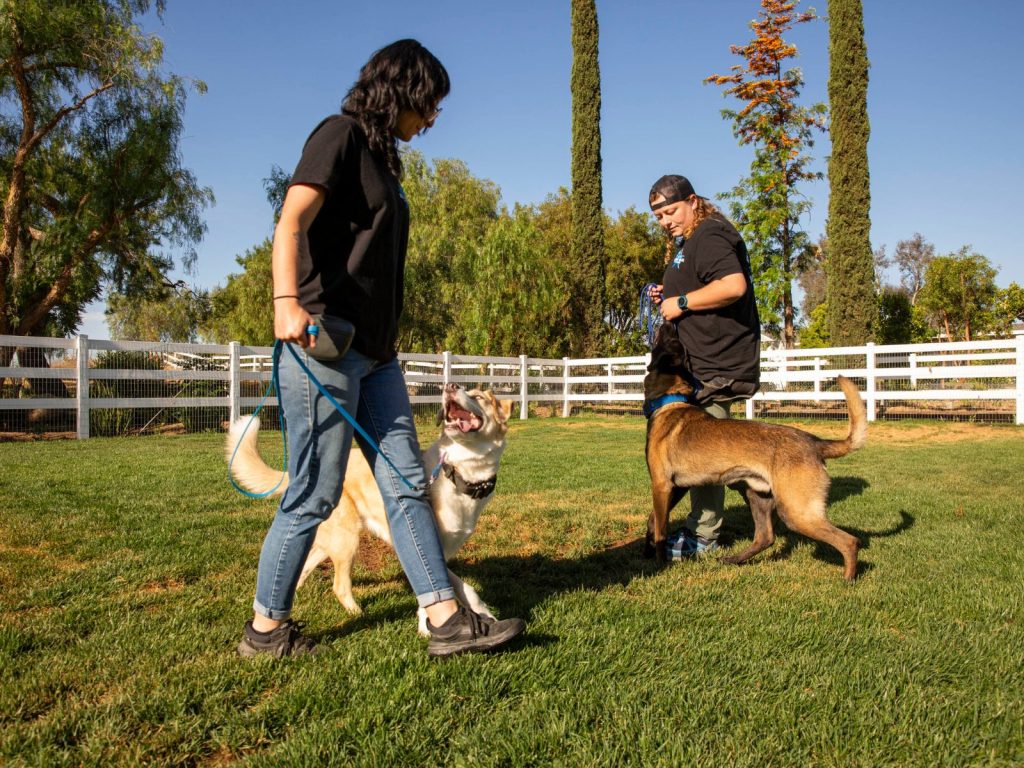
Consider the class size and setting. Smaller class sizes often mean more personalized attention, allowing the trainer to focus on your dog’s specific needs. Ensure the training environment is safe and conducive to learning, with minimal distractions and plenty of space for exercises. A positive and supportive environment encourages your dog to learn and succeed.
Reviews and Recommendations

by CHUNTUNG KAM (https://unsplash.com/@chuntung_kam)
Reading reviews and asking for recommendations from friends, family, or your veterinarian can provide valuable insights into the quality of training you can expect. Online reviews can highlight the strengths and weaknesses of a trainer’s program, while personal recommendations offer firsthand accounts of training experiences. Don’t hesitate to reach out to past clients to ask about their experiences and the progress they observed in their dogs.
Local Search Tips for Dog Training
To find the best local dog training classes, you’ll want to employ both online and offline search strategies. A comprehensive search approach increases your chances of finding a suitable trainer who meets your requirements and is conveniently located.
Online Search
- Search Engines: Use keywords like “dog training near me,” “puppy training near me,” or “obedience training near me” to find local options. Search engines can provide a list of trainers along with their contact information and websites, making it easy to explore your options.
- Social Media: Platforms like Facebook and Instagram can be great resources for finding local trainers and reading reviews. Many trainers maintain active social media profiles where they share testimonials, training tips, and success stories.
- Review Sites: Websites like Yelp or Google Reviews provide user feedback on trainers in your area. These platforms allow you to compare different trainers based on ratings and reviews, helping you make an informed decision.
Offline Search
- Veterinarian Offices: Ask your vet for recommendations; they often have connections with local trainers. Veterinarians can provide insights into trainers’ reputations and the effectiveness of their methods.
- Pet Stores: Many pet stores host training classes or can recommend local trainers. In-store flyers and bulletin boards can also provide information about upcoming classes and events.
- Community Boards: Check community centers or libraries for flyers and announcements about local classes. Community boards often feature postings from trainers offering classes or workshops in the area.
Questions to Ask Potential Trainers
Once you’ve narrowed down your options, it’s important to ask potential trainers the right questions to ensure they are the right fit for you and your dog. Clear communication with your trainer will set the tone for a successful partnership.
- What is your training philosophy? Understanding the trainer’s approach will help you assess whether it aligns with your expectations and your dog’s needs.
- How do you handle behavioral issues? This question will give you an idea of the trainer’s experience and their approach to addressing specific problems.
- What type of follow-up support do you offer? Ongoing support can be crucial in reinforcing training and addressing any new challenges that arise.
- Can I observe a class before enrolling? Observing a class allows you to see the trainer in action and evaluate their interaction with dogs and owners.
Preparing for Your First Training Class
Before attending your first class, there are a few things you can do to ensure a smooth start. Preparation will make the experience more enjoyable and productive for both you and your dog.
Gather Necessary Supplies
Ensure you have a sturdy leash, a collar or harness, training treats, and any other materials specified by your trainer. Having the right supplies will facilitate the training process and ensure you’re ready to participate fully in each session.
Set Goals
Have clear goals in mind for what you hope to achieve through training. Whether it’s basic obedience or tackling specific behavioral issues, knowing your objectives will help you communicate effectively with your trainer. Setting realistic goals also allows you to measure progress and celebrate achievements along the way.
Stay Consistent
Consistency is key in dog training. Practice commands and reinforce positive behavior daily to see the best results. Consistency reinforces learning and helps your dog understand expectations, leading to lasting behavioral changes.
Conclusion
Finding the right local dog training classes is an essential step in nurturing a well-behaved and happy dog. By understanding the different types of training available and knowing what to look for in a trainer, you can ensure a successful training journey for you and your furry friend. Whether you’re searching for “obedience trainer near me” or “puppy trainer near me,” armed with the right knowledge, you’re well on your way to a rewarding experience.
Remember, training is a lifelong journey and a bonding experience that enhances the relationship between you and your dog. It requires patience, dedication, and a willingness to learn and adapt alongside your pet. Happy training!