Does my dog need training?

Signs Your Dog Might Need Training
Recognizing the need for training is the first step toward achieving a well-behaved dog. Various behaviors can signal that your dog might benefit from training. Understanding these signs ensures that your pet can thrive in both familiar and new environments.
Aggressive Behavior
Aggression in dogs can manifest in various ways, such as growling, snapping, or even biting. Such behavior can be alarming and dangerous, not only for other animals but also for humans. If your dog exhibits these behaviors, it is important to address them promptly. Ignoring aggression can lead to escalation, making it more challenging to correct in the future. Aggressive dog training can help manage and modify these behaviors, ensuring a safer environment for everyone. Training focuses on identifying triggers and implementing strategies to desensitize your dog to these stimuli.
Excessive Barking
While barking is a natural way for dogs to communicate, excessive barking can be a sign of underlying issues. Constant barking can become a nuisance, causing strain in your household and with neighbors. It could be due to boredom, anxiety, or fear. Each of these causes requires a different approach in training. Understanding the root cause is the first step towards addressing the behavior through effective dog training techniques. By addressing the underlying issues, you can help your dog express themselves in healthier ways.
Destructive Chewing
Dogs explore the world with their mouths, but if your pet is chewing furniture, shoes, or other household items, it may indicate a lack of proper stimulation or training. Such behavior can result in costly damages and potential health risks if your dog ingests something harmful. Behavior modification for dogs can help redirect this energy into more appropriate activities. Providing your dog with suitable chew toys and engaging activities can greatly reduce destructive tendencies.
Benefits of Dog Training
Training is not just about correcting unwanted behaviors; it’s about building a foundation for a happy and healthy relationship between you and your dog. The benefits extend beyond basic obedience.
Improved Communication
Training enhances communication between you and your dog. It helps you understand your dog’s needs and signals, creating a stronger bond. This mutual understanding is crucial for a harmonious relationship, allowing you to anticipate and meet your dog’s needs effectively. A well-trained dog is easier to manage and more enjoyable to be around. Clear communication reduces frustration for both parties, fostering a peaceful home environment.
Safety
A trained dog is less likely to run into dangerous situations, such as darting into traffic or eating something harmful. Basic commands like “sit,” “stay,” and “come” are essential for keeping your dog safe. These commands serve as tools to guide your dog in various situations, ensuring they respond appropriately to potential hazards. Training instills discipline, which is vital for your dog’s well-being and the safety of those around them.
Socialization
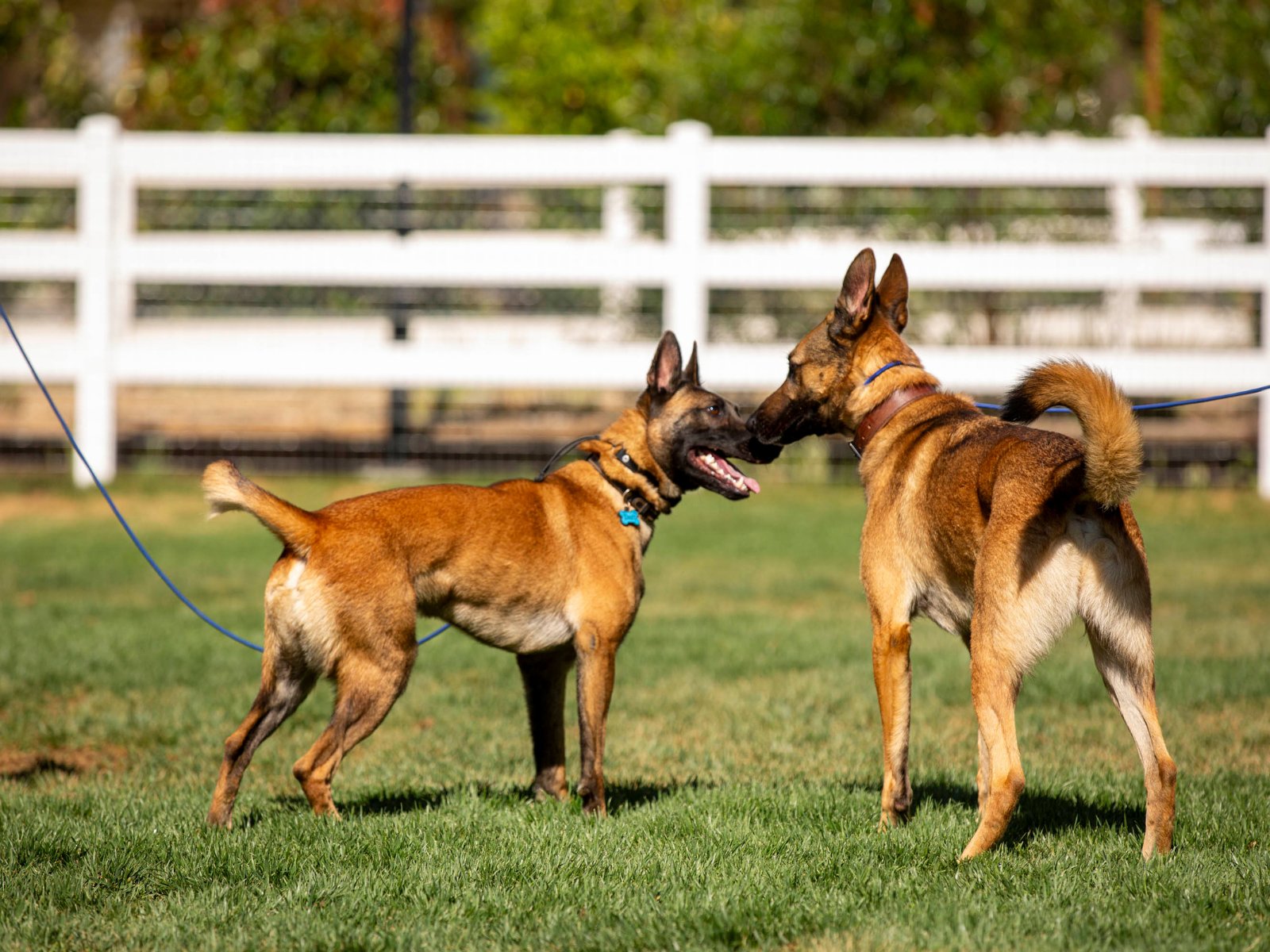
Training also helps your dog socialize with other animals and people. Proper socialization is key to preventing fear and aggression, making interactions with others more pleasant. This is crucial for preventing aggressive behaviors and ensuring your dog is comfortable in various environments. Socialized dogs are more adaptable, making travel and new experiences less stressful for both you and your pet.

Understanding Dog Aggression
Aggression in dogs can be complex, with various factors contributing to such behavior. Addressing aggression requires a comprehensive understanding of its causes and manifestations.
Causes of Aggression
Aggression can be caused by several factors, including fear, territorial behavior, or lack of socialization. Environmental influences and past experiences can also play a role in developing aggressive tendencies. Understanding these causes is vital for effective dog behavior management. Identifying the root of aggression allows for targeted interventions that can significantly improve behavior.
Signs of Aggression
Common signs include growling, baring teeth, and lunging. These behaviors can escalate quickly if not managed properly. If you notice these behaviors, it may be time to consult an aggressive dog trainer near you. Professional assessment can provide insights into the severity and triggers of aggression, guiding effective training strategies.
Addressing Aggression
Professional trainers use specific techniques to address aggression in dogs. These include positive reinforcement, desensitization, and behavior modification. Each technique is tailored to the individual dog, considering their specific needs and triggers. Finding a reputable dog trainer near you can make a significant difference. With expert guidance, even severely aggressive dogs can learn to behave more appropriately.
Finding a Dog Trainer Near You
Enlisting the help of a professional trainer can be a game-changer in your dog’s training journey. The right trainer can provide personalized strategies that align with your dog’s unique needs.
Local Dog Training Options
Searching for “dog training near me” or “dog trainer near me” can yield numerous results. With many options available, it’s important to do thorough research. It’s important to choose a trainer with experience, especially if you’re dealing with aggressive behavior. Consider trainers who offer specialized programs that address specific issues, ensuring a comprehensive approach.
What to Look for in a Trainer
A good trainer will have experience, positive reviews, and a clear training philosophy. They should be able to provide references and explain their methods clearly. Transparency is key, as it builds trust and ensures alignment with your training goals. Additionally, observe a session if possible to evaluate their interaction style and effectiveness.
Benefits of Professional Training
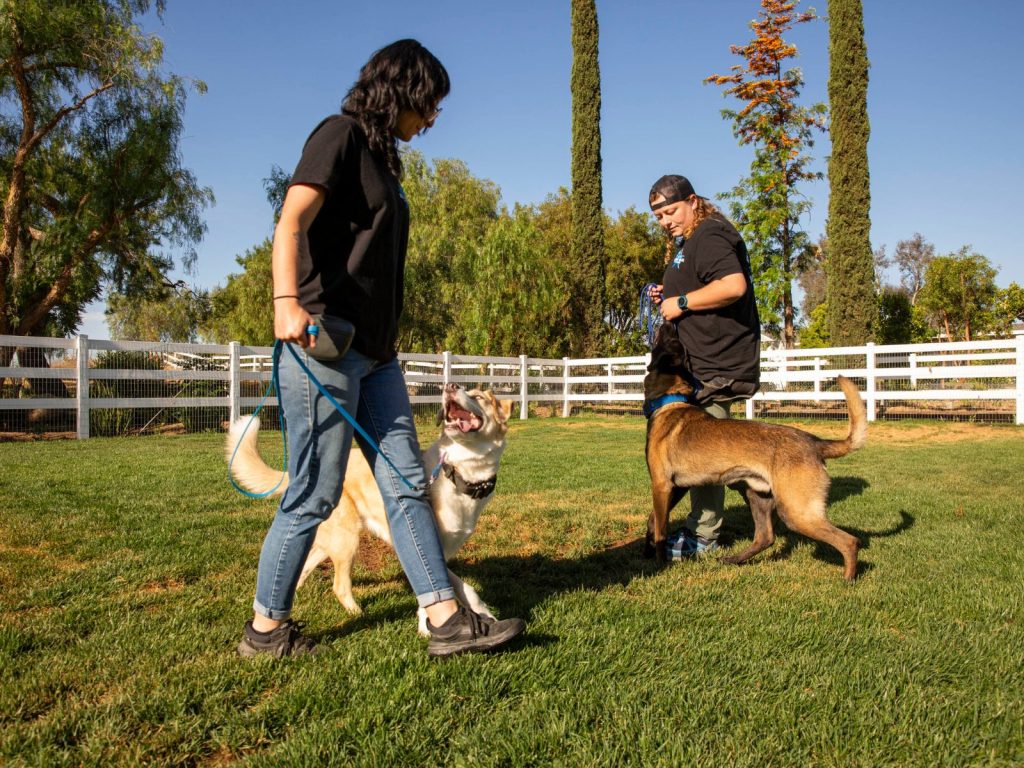
Professional trainers offer structured programs that can address specific issues. These programs are designed to create a consistent and effective training regimen. They have the experience and knowledge to tailor training to your dog’s unique needs. This personalized approach ensures that training is both efficient and effective, leading to long-term success.

by Murilo Viviani (https://unsplash.com/@mviviani)
Dog Training Techniques
Various techniques can be employed to train your dog, each with its own advantages. Understanding these methods can help you choose the best approach for your dog.
Positive Reinforcement
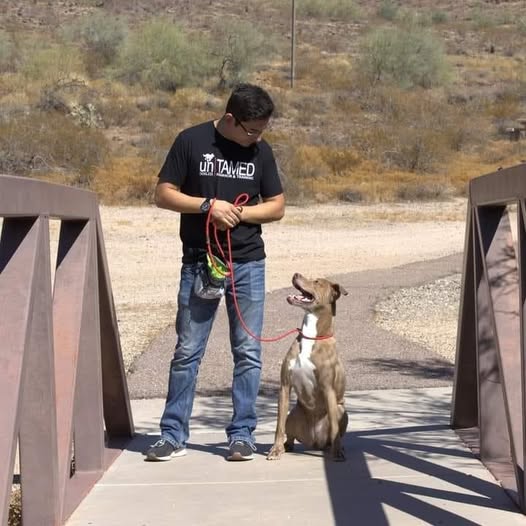
This technique involves rewarding your dog for good behavior, encouraging them to repeat it. Rewards can include treats, praise, or playtime, making training an enjoyable experience for your dog. It’s a gentle and effective way to train dogs, focusing on praise and rewards rather than punishment. This approach fosters trust and a positive association with learning, promoting a cooperative attitude.
Clicker Training
Clicker training is a form of positive reinforcement that uses a clicking sound to mark desired behavior. The clicker serves as a clear signal for your dog, indicating that they performed the correct action. It’s a precise way to communicate with your dog and can be very effective for teaching new commands. This method is particularly useful for complex behaviors, allowing for incremental learning and success.
Behavior Modification
For more serious issues, such as aggression, behavior modification techniques may be necessary. These techniques aim to change undesirable behaviors by altering the dog’s environment and responses. Strategies may include controlled exposure to triggers and gradual desensitization. With patience and consistency, behavior modification can lead to significant improvements.
Tips for Training Aggressive Dogs
Training an aggressive dog requires a careful and informed approach. By applying the right strategies, you can help your dog overcome their aggressive tendencies.
Consistency is Key
Consistency in commands and routines helps reinforce good behavior. Repetition and predictability are essential for building new habits. Ensure everyone in your household is using the same commands and rules. This unified approach prevents confusion and reinforces learning, making training more effective.
Patience and Persistence
Training an aggressive dog takes time and patience. Progress may be slow, but persistence is crucial for success. It’s important to celebrate small victories and remain committed to the process. Remember, each step forward is a step closer to a safer and happier dog.
Professional Help
Don’t hesitate to seek professional help if you’re struggling to manage your dog’s aggression. Professional trainers have the tools and experience to tackle challenging behaviors. A professional trainer can provide guidance and support tailored to your dog’s needs. Their expertise can lead to quicker and more effective results, ensuring a safer environment for all.
Conclusion
Determining whether your dog needs training involves observing their behavior and considering their safety and well-being. Training is not just about correcting bad behavior; it’s about enhancing the quality of life for both you and your pet. A well-trained dog is more confident and secure, leading to a more harmonious household. Whether it’s basic obedience or addressing aggression, there are numerous resources available to help. By investing time and effort into training, you’ll be rewarded with a happier, well-adjusted pet.
If you’re looking for help with training, consider reaching out to a dog trainer near you. Their expertise can provide valuable insights and assistance, ensuring your dog becomes the best version of themselves. Remember, a well-trained dog is a happy dog. A commitment to training is a commitment to your dog’s lifelong happiness and well-being.