Does my dog need to be trained?

Behavioral Issues
One of the most common reasons dog owners seek training is to address behavioral issues. If your dog is exhibiting unwanted behaviors such as excessive barking, chewing on furniture, jumping on guests, or showing aggression towards other animals, it might be time to consider professional training. These behaviors can be frustrating, but with the right guidance, they can often be corrected. Early intervention can prevent these issues from becoming ingrained habits, making life more pleasant for both you and your pet.
Behavioral problems can also stem from underlying issues such as anxiety, boredom, or lack of exercise. Training can help identify these root causes and provide solutions that address them effectively. With structured training, your dog can learn new ways to channel their energy and anxiety into more positive actions. In turn, this can alleviate stress for both the dog and the owner, creating a more harmonious household environment.
Lack of Obedience
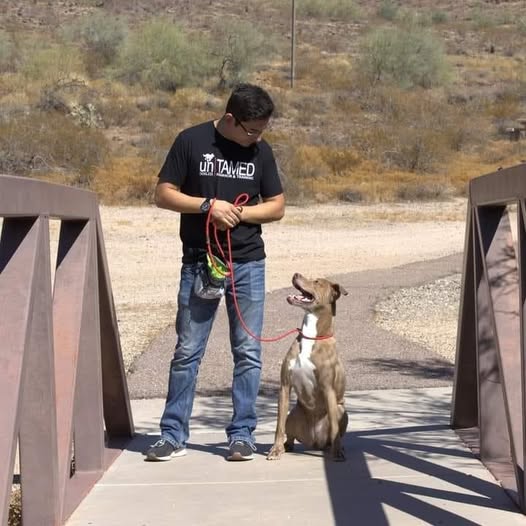
If your dog doesn’t respond to basic commands like “sit,” “stay,” or “come,” it can lead to dangerous situations, especially in public places. Training can help your dog learn to follow commands, making outings more enjoyable and stress-free for both of you. A well-trained dog is more likely to have positive interactions with others, whether they’re people or other animals, enhancing their social experiences.
Obedience training is not just about control; it’s about building a language between you and your dog. This communication fosters trust and respect, helping your dog understand their role within the family. A dog that reliably follows commands can participate in more activities, increasing their quality of life and allowing for greater freedom in various environments.
Socialization Needs
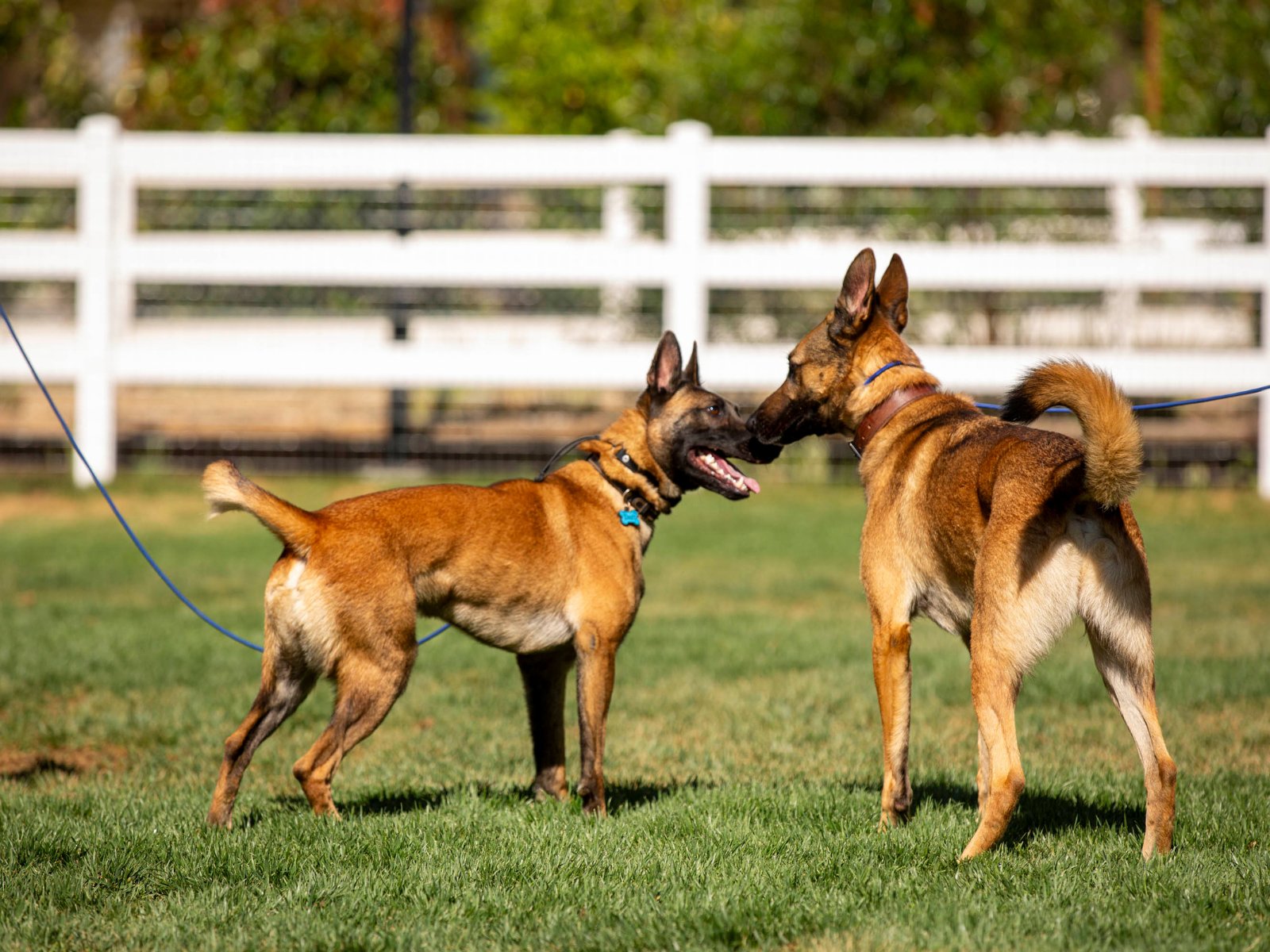
Socialization is crucial, especially for puppies. If your dog is shy, anxious around other animals, or overly protective, training can help them become more comfortable in social settings. A well-socialized dog is often more confident and happier. Socialization helps dogs learn how to interact with their surroundings safely and comfortably, reducing fear-based behaviors.
Proper socialization involves exposing your dog to a variety of experiences, people, and other animals in a controlled and positive manner. This exposure helps them develop the skills necessary to handle new situations without fear or aggression. Dogs that are well-socialized are typically more adaptable and capable of handling change, which is essential for their emotional health and well-being.
Benefits of Professional Dog Training

Expert Guidance
Professional dog trainers have the experience and knowledge to address a wide range of behavioral issues. They can provide personalized training plans tailored to your dog’s specific needs and temperament. This ensures that your dog receives the most effective training possible. Trainers can also offer valuable insights into canine behavior that can transform how you interact with your pet.
Moreover, professional trainers are adept at identifying subtle cues in dog behavior that may not be obvious to the average owner. This expertise allows them to address issues proactively, before they escalate into more significant problems. By working with a professional, you’re investing in your dog’s future, equipping them with the skills they need to thrive in various environments.
Consistency and Structure
Trainers can offer consistency and structure, which are key components in successful dog training. They can teach you how to communicate effectively with your dog, ensuring that training continues at home. This consistency helps reinforce good behavior and makes training more effective in the long run. A structured training regimen provides a routine that dogs thrive on, giving them clear expectations and reducing anxiety.
Consistency in training also means that both the owner and the dog are on the same page. When everyone involved in a dog’s life follows the same rules and uses the same commands, the dog learns more quickly and effectively. This structured approach can result in a more disciplined and well-behaved pet, making everyday life more manageable and enjoyable.
Time-Saving
Training a dog requires time and patience, and it can be challenging to fit training sessions into a busy schedule. Hiring a professional dog trainer can save you time and help you achieve results faster. Trainers can work around your schedule and provide flexible training options. This convenience allows you to focus on other responsibilities while ensuring your dog receives the attention they need.
Time-saving benefits also extend to the speed at which your dog learns. Professional trainers have honed their techniques to maximize the effectiveness of each session, often achieving quicker results than DIY methods. This efficiency can lead to a quicker resolution of behavioral issues, allowing you and your dog to enjoy a more harmonious relationship sooner.
Finding the Best Dog Trainer Near You

by Dex Ezekiel (https://unsplash.com/@dexezekiel)
Research and Recommendations
Start by researching dog trainers in your area. Look for trainers with positive reviews and testimonials from satisfied clients. You can also ask friends, family, or your veterinarian for recommendations. Personal referrals are often a good indicator of a trainer’s reputation and effectiveness. Online forums and community groups can also be valuable resources for finding well-regarded trainers in your region.
When researching, pay attention to the trainer’s areas of expertise and any specialties they may have. Some trainers may focus on obedience, while others might specialize in behavior modification or agility training. Understanding their strengths can help you match a trainer to your dog’s specific needs, ensuring a successful training experience.
Credentials and Experience
When choosing a dog trainer, consider their credentials and experience. Look for trainers who are certified by reputable organizations such as the Certification Council for Professional Dog Trainers (CCPDT) or the International Association of Canine Professionals (IACP). Certification ensures that the trainer has met certain standards of knowledge and experience. Additionally, inquire about their years of experience and any specific training methodologies they employ.
Experience in handling dogs of different breeds and temperaments is crucial. Trainers with a diverse background are often more adaptable and capable of customizing their approach to suit your dog’s unique personality. This tailored approach can lead to more effective training outcomes, helping your dog achieve their full potential.
Training Methods
Discuss the trainer’s approach and training methods before committing. Positive reinforcement techniques, which reward good behavior rather than punishing bad behavior, are widely regarded as effective and humane. Avoid trainers who use harsh or aversive methods, as these can harm your dog physically and emotionally. Positive methods foster a trusting relationship between you and your dog, leading to a more cooperative and eager learner.
Understanding the trainer’s philosophy and approach can also give you insight into their values and how they align with your own. A trainer who prioritizes building a positive relationship with dogs through gentle methods is likely to be a more compassionate and effective choice. This alignment ensures that the training process is enjoyable and beneficial for both you and your dog.
Observe a Session
If possible, observe a training session before enrolling your dog. This allows you to see the trainer in action and assess their interaction with dogs and owners. Pay attention to how the trainer communicates with both the dogs and their owners, and ensure that the environment is positive and supportive. Observing a session can also provide you with a sense of the trainer’s style and whether it meshes with your expectations.
Seeing a trainer at work can also help you gauge their patience and adaptability. A good trainer should be able to adjust their methods on the fly, responding to the needs of the dog and owner in real-time. This flexibility is crucial for addressing the unique challenges that each dog presents, ensuring a successful training experience.
DIY Training: Tips for Training Your Dog at Home
Start with Basic Commands
If you’re interested in training your dog at home, start with basic commands like “sit,” “stay,” and “come.” Use treats, praise, and play as rewards to reinforce good behavior. Be patient and consistent, and keep training sessions short to maintain your dog’s interest. Gradually increase the complexity of commands as your dog becomes more confident.
Basic commands serve as the foundation for more advanced training, and mastering them can significantly improve your dog’s obedience and responsiveness. Training at home also strengthens your bond with your dog, as you both learn to understand and communicate with each other more effectively. With time and practice, you can expand your dog’s repertoire of commands, enhancing their abilities and your relationship.
Establish a Routine
Establishing a routine can help your dog understand what is expected of them. Set aside regular times for training sessions, and incorporate training into daily activities. Consistency is key to successful training. A regular schedule helps your dog anticipate and prepare for training, making it easier for them to focus and learn.
Incorporating training into everyday life also reinforces the commands and behaviors you’re teaching. By practicing in various situations and environments, your dog learns to generalize their training, applying it in different contexts. This versatility is crucial for ensuring that your dog remains well-behaved in any situation, whether at home or in public.
Be Patient and Positive
Training takes time, and every dog learns at their own pace. Be patient, and celebrate small successes along the way. Use positive reinforcement to encourage good behavior, and avoid punishment or negative reinforcement. Patience and positivity build a trusting relationship, making your dog more eager to learn and please.
Remember that setbacks are a natural part of the learning process. Rather than becoming frustrated, use these moments as opportunities to understand your dog’s needs better and adjust your approach accordingly. Maintaining a positive attitude keeps the training experience enjoyable for both you and your dog, fostering a lifelong love of learning.
Puppy Training: Getting Started Early

by Barnabas Davoti (https://unsplash.com/@davotibarna)
Importance of Early Training
Starting training early with puppies can prevent many behavioral issues from developing. Puppies are like sponges, eager to learn and please. Early training sets the foundation for good behavior and helps puppies grow into well-mannered adult dogs. Early intervention also allows you to shape your puppy’s behavior from the start, preventing the development of bad habits.
By introducing training at a young age, you can instill essential life skills and commands that your puppy will carry into adulthood. This early education helps them navigate the world confidently and safely, reducing anxiety and fostering a positive outlook on new experiences. The skills learned in puppyhood lay the groundwork for a lifetime of good behavior and companionship.
Puppy Classes
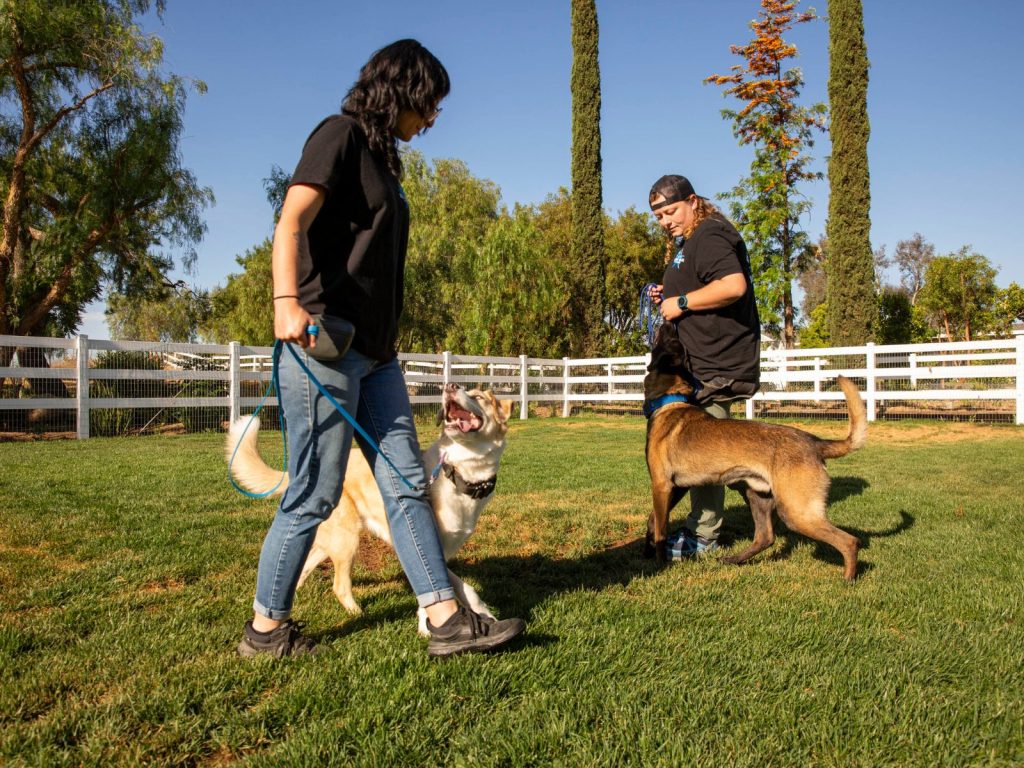
Consider enrolling your puppy in a puppy training class. These classes provide a structured environment for learning basic commands and socialization. They also offer an opportunity for puppies to interact with other dogs and people in a controlled setting. Such interactions are invaluable for teaching puppies how to behave appropriately in diverse situations.
Puppy classes often include exercises that focus on building confidence and overcoming fears. These activities help puppies become well-adjusted, reducing the likelihood of future behavioral issues. The supportive community found in these classes can also be beneficial for owners, offering a network of fellow pet parents who can share tips, experiences, and encouragement.
Focus on Socialization
Socialization is a critical part of puppy training. Expose your puppy to different environments, people, and animals to help them become comfortable and confident. Controlled playdates, trips to the park, and visits to pet-friendly stores can all contribute to a well-rounded socialization experience. Early and positive exposure helps prevent fearfulness and aggression, leading to a more adaptable and relaxed dog.
Socialization should be a gradual process, with each new experience introduced in a way that is enjoyable and non-threatening for your puppy. By taking a thoughtful approach to socialization, you help your puppy develop into a well-rounded adult dog that can handle a variety of situations with ease and confidence. This adaptability is key to their happiness and success in navigating the world around them.
Conclusion
Training your dog is an investment in their well-being and your relationship with them. Whether you choose to hire a professional dog trainer or embark on a DIY training journey, the benefits of training are invaluable. A well-trained dog is not only a joy to be around but also a safer and happier companion. If you’re looking for “dog training near me” or “puppy training near me,” take the time to research and choose the best option for your furry friend. With the right approach, you can help your dog reach their full potential. Training is a journey that requires commitment, but the rewards are significant, offering both you and your dog a lifetime of companionship, understanding, and mutual respect.