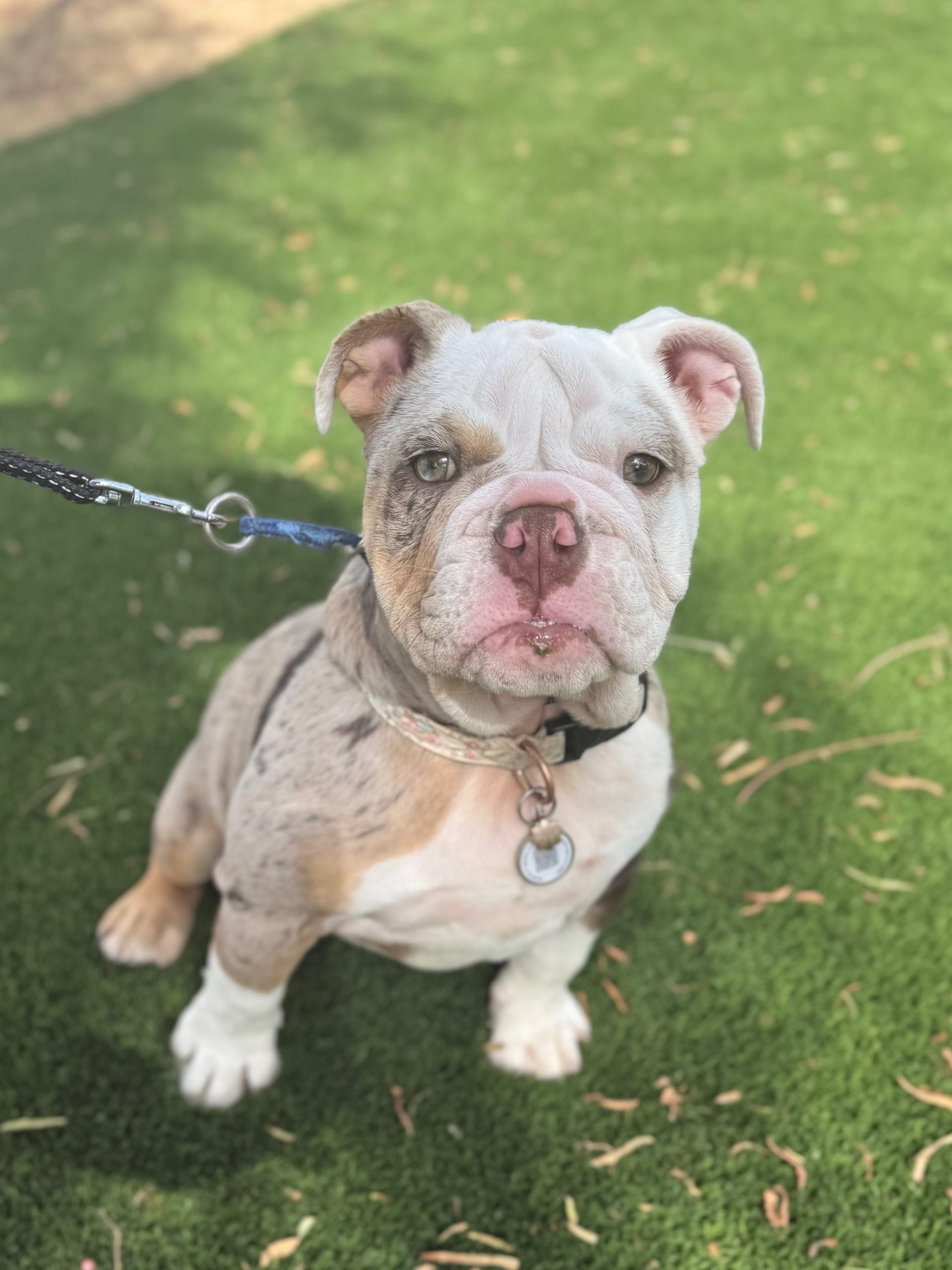
Effective Techniques for Private Puppy Training
Training a puppy is a rewarding yet challenging task. While group puppy training classes are popular, some pet owners prefer the personalized approach of private puppy training. This article explores effective techniques for training your puppy privately, ensuring a well-behaved and happy pet.

Summary
Private puppy training offers one-on-one attention, tailored plans, and targeted solutions that accelerate learning and build owner confidence. Core methods include positive reinforcement, consistent cues, short engaging sessions, socialization, trust-building, and realistic goal-setting. The guide tackles common problems—potty training, chewing, barking, separation anxiety, leash pulling, and jumping—and explains how to choose a humane, compatible trainer. It also shows how to integrate training into daily routines to sustain progress and strengthen your bond.
Private puppy training offers a range of benefits that are often absent in group settings. These include personalized attention, customized training plans, and a focus on specific behavioral issues. Understanding these advantages can help you decide if this approach is right for you and your furry friend.
Personalized Attention
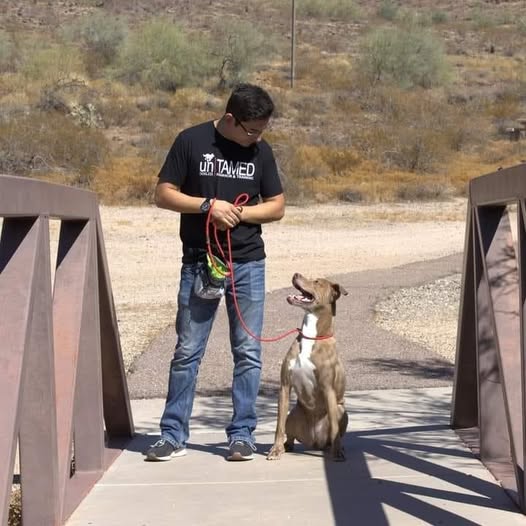
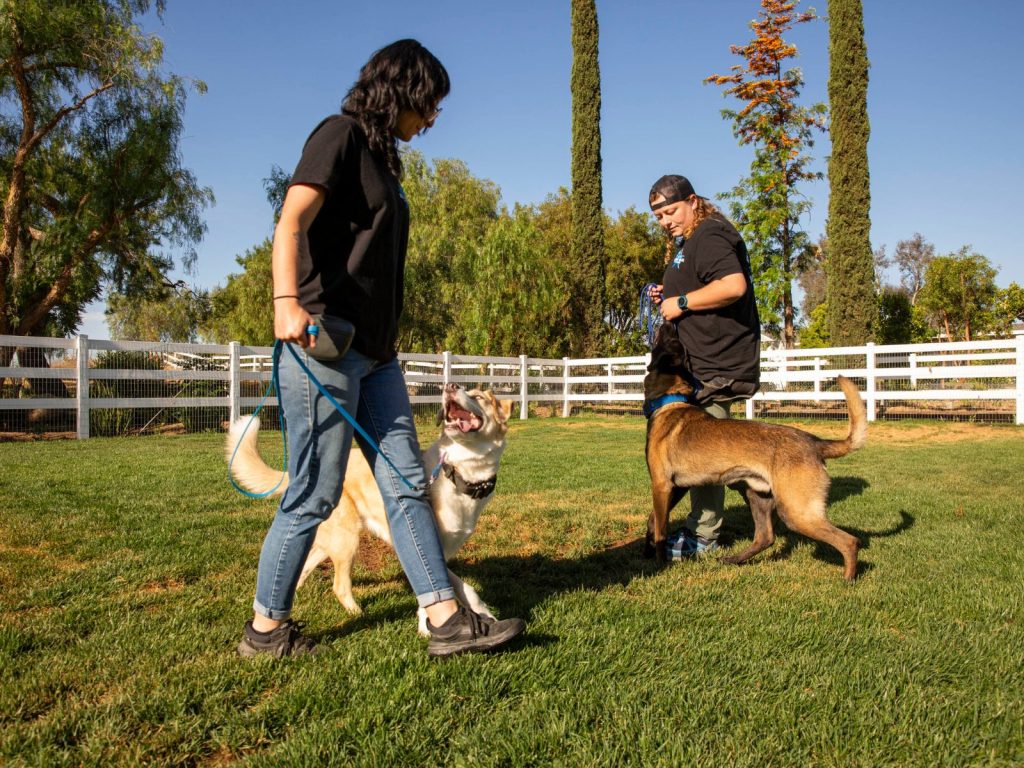
Private dog training provides one-on-one attention, which is beneficial for both the puppy and the owner. This focused interaction allows the trainer to address specific issues that your puppy may have, tailoring the approach to your pet’s unique needs. The trainer can observe your puppy’s behavior closely and provide immediate feedback, which is crucial for effective learning. Moreover, this individualized attention fosters a stronger bond between you and your puppy, as the training becomes a collaborative effort.
Custom Training Plans
Unlike group puppy training classes, private sessions enable the creation of a customized training plan. This plan can be adjusted as your puppy progresses, ensuring consistent development and learning. The flexibility of private training means that sessions can be scheduled around your availability, providing convenience and reducing stress for both you and your puppy. Additionally, a custom plan can focus on the strengths and weaknesses of your puppy, maximizing their potential for learning and growth.
Addressing Specific Behavioral Issues
Many puppies exhibit unique behavioral issues that may not be effectively addressed in a group setting. Private training allows for targeted strategies to correct these behaviors, whether it’s potty training, chewing, or barking. Trainers can devise specific exercises to tackle these issues, offering solutions that are not one-size-fits-all. Moreover, the private setting enables a controlled environment where distractions are minimized, allowing your puppy to focus better on overcoming their challenges.
Enhanced Communication Skills
Training in a private setting enhances communication between you and your puppy. You learn to read your puppy’s signals more effectively, and your puppy learns to understand and respond to your commands. This enhanced communication lays the foundation for a strong relationship built on trust and mutual understanding. As you engage in training, you also become more adept at interpreting your puppy’s body language, which can be invaluable in anticipating and addressing behavioral issues.
Strengthening the Owner’s Confidence
Private training sessions not only benefit the puppy but also boost the owner’s confidence. With the guidance of a professional trainer, you gain the skills and knowledge necessary to handle your puppy’s training independently. This empowerment is crucial, as it allows you to continue reinforcing positive behaviors long after the training sessions are over. Confidence in your training abilities also translates to better interactions with your puppy, promoting a harmonious household environment.
Essential Techniques for Effective Puppy Training

Implementing the right techniques is crucial for successful private puppy training. Here are some effective methods to consider:
Positive Reinforcement
Positive reinforcement is a cornerstone of effective puppy training. This method involves rewarding your puppy for good behavior, which encourages them to repeat these actions. Treats, praise, and playtime are excellent rewards that can reinforce desired behaviors. Positive reinforcement not only motivates your puppy but also builds a positive association with training, making it an enjoyable experience for them. Over time, your puppy learns that following commands leads to positive outcomes, fostering a willingness to engage in training.
Consistent Commands and Signals
Consistency is key in puppy training. Use the same commands and signals for specific actions, and ensure everyone in the household follows the same cues. This consistency helps your puppy understand what is expected of them. By maintaining uniformity in commands, you prevent confusion and enable your puppy to learn more quickly. Consistent communication also reinforces your role as a leader, establishing a structured environment where your puppy feels secure and confident.
Short and Engaging Sessions
Puppies have short attention spans, so keep training sessions brief and engaging. Aim for 5-10 minute sessions multiple times a day, focusing on one command or behavior at a time. Short sessions prevent your puppy from becoming overwhelmed, ensuring they remain focused and receptive to learning. Engaging activities within these sessions keep your puppy interested, transforming training into a fun and rewarding experience. By gradually increasing the complexity of tasks, you can maintain your puppy’s interest and promote sustained learning.
Socialization
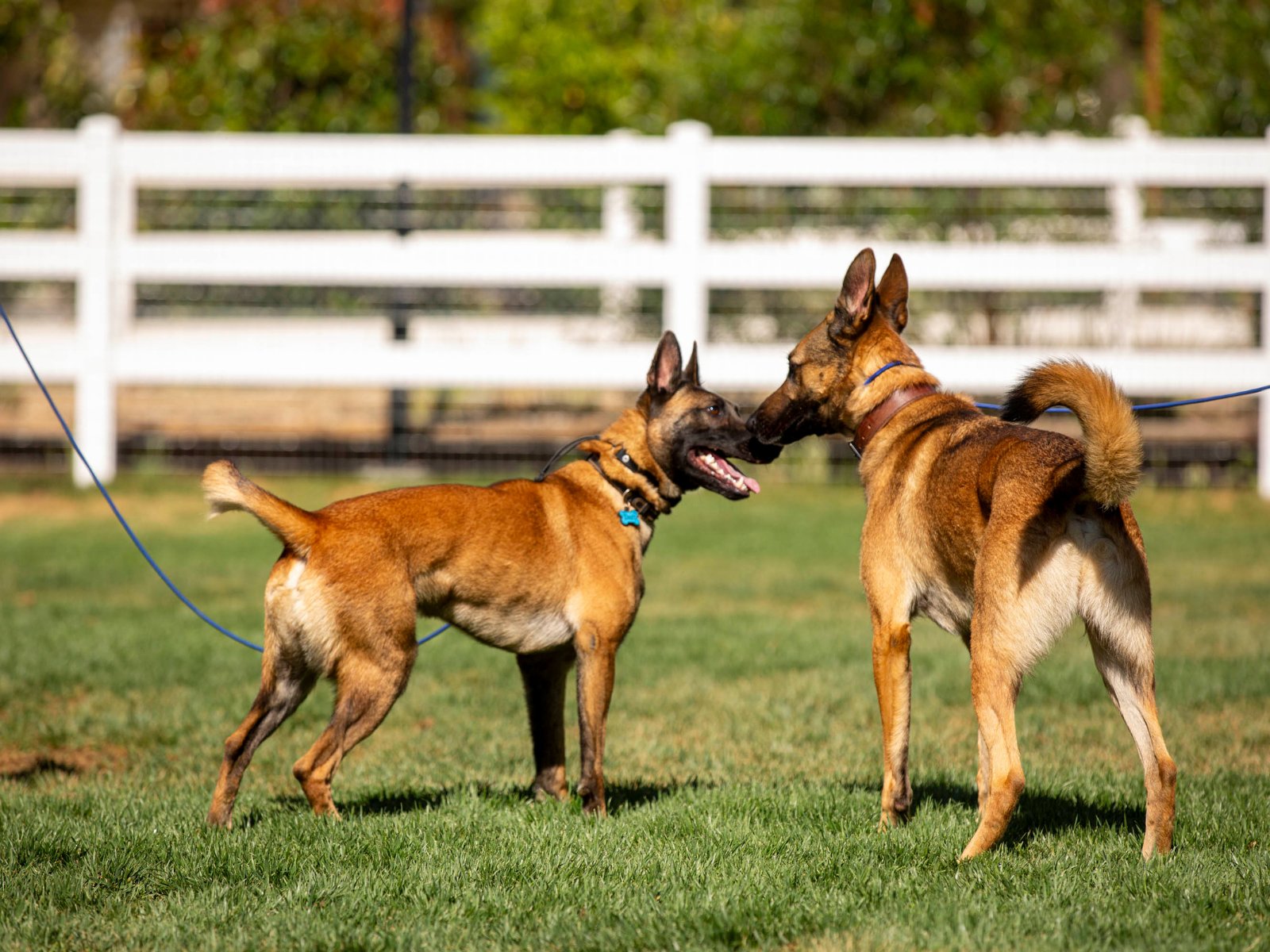
Socialization is an essential part of your puppy’s development. While private training focuses on individual attention, it’s important to introduce your puppy to different environments, people, and other dogs. This can help prevent behavioral issues like anxiety and aggression. Socialization exposes your puppy to a variety of stimuli, teaching them to adapt and respond appropriately. By incorporating socialization into private training, you provide a well-rounded learning experience that prepares your puppy for diverse situations.
Building Trust and Respect
Training should focus on building trust and respect between you and your puppy. Establishing a relationship based on mutual respect ensures that your puppy listens and responds willingly. Trust is cultivated through consistent and fair training practices, where your puppy learns that they are safe and valued. As trust deepens, your puppy becomes more responsive to commands, leading to a harmonious and cooperative training experience.
Setting Realistic Goals
Setting realistic training goals is essential for maintaining motivation and measuring progress. Break down larger goals into manageable tasks that align with your puppy’s abilities and developmental stage. Realistic goals prevent frustration for both you and your puppy, fostering a positive training environment. By celebrating small achievements, you maintain enthusiasm and momentum, paving the way for continued success in training.
Addressing Common Puppy Training Challenges

by Edge2Edge Media (https://unsplash.com/@edge2edgemedia)
Training a puppy privately can come with its own set of challenges. Here are some common issues and how to address them:
Potty Training
Potty training can be one of the most frustrating aspects of puppy training. Establish a routine and take your puppy outside frequently, especially after meals and naps. Praise and reward them immediately after they successfully go potty outside. Understanding your puppy’s cues for needing to go can prevent accidents, allowing you to guide them outside in time. Consistency in the potty-training routine helps establish habits, making it easier for your puppy to understand where they should go.
Chewing
Puppies explore the world with their mouths, which often leads to chewing. Provide plenty of chew toys and redirect them from inappropriate items. Consistency and patience are key to curbing this behavior. Observing your puppy’s chewing patterns helps you identify triggers and address them proactively. Encouraging the use of appropriate chew toys satisfies their need to chew while protecting your belongings. Reinforcing positive chewing habits with praise ensures your puppy chooses the right items to chew.
Barking
Excessive barking can be a nuisance. Identify the triggers for your puppy’s barking and work on desensitizing them to these stimuli. Use commands like “quiet” and reinforce with rewards when they stop barking on command. Understanding the reasons behind your puppy’s barking—whether it’s attention-seeking, fear, or excitement—enables targeted interventions. Gradual exposure to triggers in a controlled manner helps your puppy learn to remain calm. Consistent training and positive reinforcement create a quieter, more peaceful environment.
Separation Anxiety
Separation anxiety is a common challenge that can be addressed through gradual desensitization. Start by leaving your puppy alone for short periods, gradually increasing the duration as they become more comfortable. Create a positive association with alone time by providing engaging toys or treats. Establishing a calm departure routine and avoiding overly emotional goodbyes can alleviate your puppy’s anxiety. As they learn to trust that you’ll return, their confidence and independence grow.
Pulling on the Leash
Leash pulling can make walks stressful and unpleasant. To address this, practice leash training in a controlled environment, rewarding your puppy for walking calmly by your side. Use a consistent cue, such as “heel,” to reinforce the desired behavior. Redirect your puppy’s attention with treats or toys when they start pulling, encouraging them to focus on you. Over time, your puppy learns that walking calmly leads to enjoyable walks and rewards.
Jumping on People
Jumping is a natural behavior for puppies seeking attention, but it can be managed through training. Teach your puppy an alternative behavior, such as “sit,” when greeting people. Reward them for sitting calmly, reinforcing the idea that calmness leads to positive interactions. Consistency is crucial; ensure everyone interacting with your puppy follows the same approach. By redirecting their energy and rewarding appropriate greetings, you can prevent jumping and encourage polite behavior.
Choosing the Right Private Dog Trainer
Finding the right private dog trainer is crucial to your puppy’s development. Here are some tips for selecting the best trainer for your needs:
Research and Recommendations
Start by researching trainers in your area and ask for recommendations from friends, family, or your veterinarian. Look for trainers with certifications and experience in private puppy training. Online reviews and testimonials can provide insight into a trainer’s reputation and effectiveness. Consider their training philosophy and ensure it aligns with your values and goals for your puppy’s development. Gathering diverse perspectives allows you to make an informed decision.
Observe a Session
If possible, observe a training session to see the trainer in action. This will give you an idea of their methods and how they interact with the dogs they train. Pay attention to their communication style, patience, and ability to adapt to different situations. Observing the trainer’s interaction with both dogs and their owners can reveal their approach to building trust and rapport. This firsthand experience helps you assess whether their methods suit your puppy’s needs.
Discuss Your Goals
Before committing, discuss your training goals with the potential trainer. Ensure they understand what you hope to achieve and are willing to tailor their approach to meet these objectives. A good trainer listens to your concerns and provides a clear plan of action, outlining how they intend to address specific challenges. Open communication establishes a partnership where your input is valued, resulting in a more effective training experience. Aligning your goals with the trainer’s expertise ensures a collaborative and successful journey.
Evaluate Training Techniques
Evaluate the training techniques employed by the trainer to ensure they align with positive reinforcement and humane practices. Avoid trainers who use harsh or punitive methods, as these can harm the trust between you and your puppy. Discuss their approach to common behavioral issues and assess whether they prioritize your puppy’s well-being. A trainer who emphasizes kindness and patience fosters a positive learning environment where your puppy feels safe and motivated.
Assess Compatibility
Compatibility between you, your puppy, and the trainer is essential for a successful training relationship. Observe how your puppy responds to the trainer and whether they feel comfortable in their presence. A compatible trainer understands your puppy’s unique personality and tailors their approach accordingly. Trust your instincts when assessing compatibility, as a harmonious relationship leads to more effective and enjoyable training sessions.
Evaluate Progress and Adapt
Once training begins, regularly evaluate your puppy’s progress and communicate with the trainer about any adjustments needed. A good trainer is flexible and willing to adapt their methods to suit your puppy’s evolving needs. Celebrate achievements and address any challenges collaboratively, ensuring that training remains productive and enjoyable. By maintaining open lines of communication, you create a supportive environment that nurtures your puppy’s growth and development.
Incorporating Training into Daily Life
Training shouldn’t be confined to sessions with a trainer. Incorporate training into your daily routine to reinforce good behavior and strengthen your bond with your puppy.
Consistent Routine
Establish a daily routine that includes training exercises. This consistency helps your puppy understand expectations and provides structure. A structured routine also prevents boredom and anxiety by providing a sense of predictability. Incorporating training into everyday activities reinforces positive behaviors, making them second nature for your puppy. By integrating training seamlessly into your daily life, you create a supportive environment that encourages learning and growth.
Use Everyday Opportunities
Take advantage of everyday situations to practice commands and reinforce training. For example, practice “sit” before feeding or “stay” when opening the door. These real-life scenarios provide practical opportunities for your puppy to apply what they’ve learned. By incorporating training into routine activities, you reinforce the idea that good behavior is expected in all contexts. Everyday opportunities not only enhance your puppy’s skills but also strengthen your bond through shared experiences.
Celebrate Progress
Celebrate your puppy’s progress and milestones in their training journey. Positive reinforcement not only motivates your puppy but also strengthens your bond. Acknowledging achievements boosts your puppy’s confidence, encouraging them to continue striving for success. Celebrating progress creates a positive training atmosphere where both you and your puppy feel motivated and supported. By focusing on accomplishments, you build a foundation of trust and mutual respect.
Maintain Flexibility
Flexibility is key to maintaining a balanced training routine that accommodates your puppy’s changing needs. Be open to adjusting your approach as your puppy grows and develops new skills. Flexibility allows you to respond effectively to challenges and capitalize on opportunities for learning. By remaining adaptable, you create a training environment that evolves with your puppy, ensuring continued progress and success.
Foster a Positive Environment
Create a positive training environment where your puppy feels safe, valued, and motivated to learn. Use encouraging language, rewards, and praise to reinforce good behavior and build confidence. A positive atmosphere fosters a sense of security, enabling your puppy to approach challenges with enthusiasm and curiosity. By nurturing a supportive environment, you lay the groundwork for a lifetime of learning and companionship.
Balance Training and Play
Balance training with play to keep your puppy engaged and motivated. Incorporate fun activities that reinforce learning while providing enjoyment and relaxation. Playtime strengthens your bond and encourages your puppy to view training as a rewarding and enjoyable experience. By balancing structured training with playful interactions, you create a holistic approach that nurtures your puppy’s overall well-being.
Conclusion
Private puppy training is a highly effective way to ensure your puppy develops into a well-behaved and happy dog. By understanding the benefits, implementing essential techniques, and addressing common challenges, you can make the most of your private training sessions. Remember, patience and consistency are key, and with the right approach, you’ll have a loyal and obedient companion for years to come.
Q&A
Question: How is private puppy training different from group classes, and who benefits most?
Short answer: Private training provides one-on-one attention, customized plans, and targeted solutions in a controlled, low-distraction environment. It’s ideal for puppies with specific behavioral issues (e.g., barking, chewing, potty accidents), easily distracted or anxious pups, and owners who want flexible scheduling and hands-on coaching. This individualized approach accelerates learning, improves communication, and boosts owner confidence.
Question: Which core techniques should I focus on first in private training?
Short answer: Start with positive reinforcement (treats, praise, play), consistent commands and signals used by everyone at home, and short, engaging sessions (5–10 minutes, multiple times daily). Add purposeful socialization to new people, dogs, and environments, focus on building trust and respect, and set realistic, step-by-step goals. Integrate practice into daily life—for example, ask for “sit” before meals and “stay” at doors.
Question: What are quick ways to address common puppy challenges at home?
Short answer:
- Potty training: Create a routine, take your puppy out after meals and naps, and reward immediately for going outside.
- Chewing: Offer plenty of appropriate chew toys and consistently redirect from off-limits items.
- Barking: Identify triggers, desensitize gradually, teach “quiet,” and reward calm moments.
- Separation anxiety: Use gradual departures/returns and pair alone time with engaging toys or treats.
- Leash pulling: Practice in low-distraction areas, use a cue like “heel,” and reward calm walking by your side.
- Jumping: Teach an alternative like “sit” for greetings and ensure everyone rewards calm behavior.
Question: How do I choose the right private dog trainer?
Short answer: Research local trainers and seek recommendations from friends, family, or your vet; look for relevant certifications and experience. If possible, observe a session to evaluate communication, patience, and adaptability. Discuss your goals upfront, confirm they use humane, positive-reinforcement methods (avoid punitive techniques), and assess compatibility with you and your puppy. Once training begins, review progress regularly and ensure the trainer adjusts the plan as your puppy develops.
Question: How can I weave training into everyday life to sustain progress?
Short answer: Build a consistent daily routine that includes brief practice, and use everyday moments—“sit” before feeding, “stay” at doors, calm waiting before walks—to reinforce cues. Celebrate small wins to keep motivation high, maintain flexibility as your puppy grows, and foster a positive, encouraging environment. Balance structured practice with play so training stays fun and rewarding.