Finding The Best Local Dog Trainer For Your Pup

Before embarking on the quest to find the perfect dog trainer, it’s crucial to clearly identify your specific needs. Are you seeking basic obedience training to instill fundamental commands like sit and stay, or do you require assistance with more nuanced behavior issues such as aggression or anxiety? Perhaps you are interested in puppy training for your young dog, focusing on house training and socialization, or you may need a specialized service dog trainer. Clarifying your goals will streamline the process and ensure you select a trainer who is well-equipped to meet your expectations.
Types of Dog Training
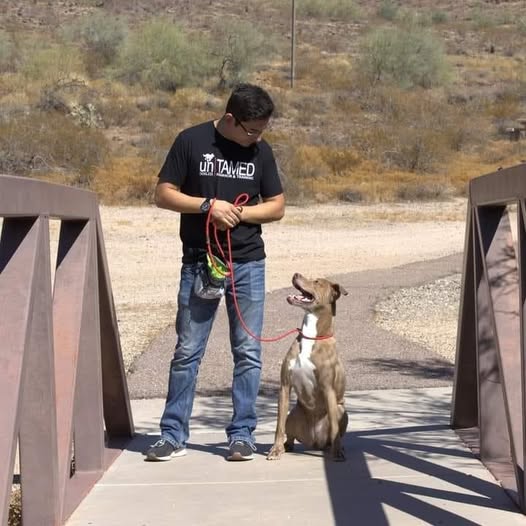
- Obedience Training: This foundational training focuses on basic commands such as sit, stay, and come. It is suitable for dogs of all ages, providing them with essential skills to behave appropriately both at home and in public settings. Regular obedience training can prevent future behavioral problems and is a great first step in any dog’s education.
- Puppy Training: Tailored specifically for young dogs, puppy training emphasizes the basics, including house training, socialization, and the introduction to new environments and experiences. Early training lays a critical foundation for a well-adjusted adult dog, promoting positive behavior and mitigating potential issues as the puppy grows.
- Behavioral Training: This specialized training addresses specific issues such as aggression, anxiety, or excessive barking. A behavioral trainer will assess the underlying causes of these problems and develop a customized plan to address them, ensuring your dog becomes a well-mannered companion.
- Service Dog Training: Preparing dogs to assist individuals with disabilities requires specialized skills and a deep understanding of both the dog’s potential and the specific needs of the individual. Service dog training involves rigorous and systematic teaching to equip the dog with the necessary skills to perform their duties effectively and safely.
- Advanced Training: For dogs that have already mastered basic commands, advanced training offers more challenging commands or activities. This can include tricks, agility training, or preparation for competitions, providing mental stimulation and further enhancing the bond between you and your dog.
Finding a Dog Trainer Near You

When you search for “dog trainer near me” or “puppy trainer near me,” you will likely encounter numerous options. However, not all trainers are created equal, and it’s essential to distinguish between them to find the best fit for your needs. Here’s how you can effectively narrow down your choices and ensure you find a reputable and competent trainer.
Ask for Recommendations
Start by reaching out to friends, family members, or your veterinarian for recommendations. Personal referrals can offer invaluable insights into a trainer’s methods, effectiveness, and compatibility with different dog breeds and temperaments. These firsthand experiences can provide a realistic view of what to expect and help you feel more confident in your choice.
Check Online Reviews
Online platforms such as Google, Yelp, or specialized pet websites offer a wealth of information through reviews from other pet owners. Look for trainers with consistently positive feedback and detailed reviews that highlight specific successes or methods. Pay attention to any recurring themes in the reviews, such as the trainer’s ability to handle challenging behaviors or their communication skills with both dogs and owners.
Visit Local Pet Stores
Many local pet stores feature bulletin boards with flyers and business cards for nearby dog trainers. Additionally, the staff at these stores often have firsthand experience with local trainers and can recommend individuals they trust and have worked with. These recommendations can be particularly helpful if the store has hosted training sessions or events with the trainer in question.
Attend Local Dog Training Classes
Observing a class in action is one of the best ways to evaluate a trainer’s style and effectiveness. Watching how trainers interact with dogs and their owners can provide a firsthand understanding of their techniques and the atmosphere of their classes. This experience can help you decide if their approach aligns with your expectations and your dog’s personality.
Evaluating Potential Trainers
Once you have compiled a list of potential trainers, it’s time to evaluate them further to ensure they are the right fit for your needs. This involves considering various aspects of their professional background and approach to training.
Training Philosophy
Inquire about the trainer’s approach and philosophy when it comes to dog training. Positive reinforcement, which rewards good behavior, is widely considered the most humane and effective method. It fosters a loving and respectful relationship between you and your dog. Be cautious of trainers who rely heavily on punishment or negative reinforcement, as these methods can lead to fear and anxiety in dogs.
Experience and Credentials
Investigate the trainer’s experience and credentials to ensure they have the necessary expertise to meet your training needs. Look for certifications from recognized organizations like the Certification Council for Professional Dog Trainers (CCPDT) or the International Association of Canine Professionals (IACP). Such credentials indicate a commitment to ongoing education and adherence to professional standards.
Specialization
If your dog requires specific training, such as for service work or to address behavioral issues, it’s important to ensure the trainer has experience and success in those areas. A specialist will have the knowledge and skills necessary to develop an effective training plan tailored to your dog’s unique needs.
Trial Session
Arrange a trial session to observe how the trainer interacts with your dog. This session allows you to gauge their patience, knowledge, and ability to communicate effectively with both you and your pet. A good trainer should make both you and your dog feel comfortable and confident in their training environment.
What to Expect from Dog Training

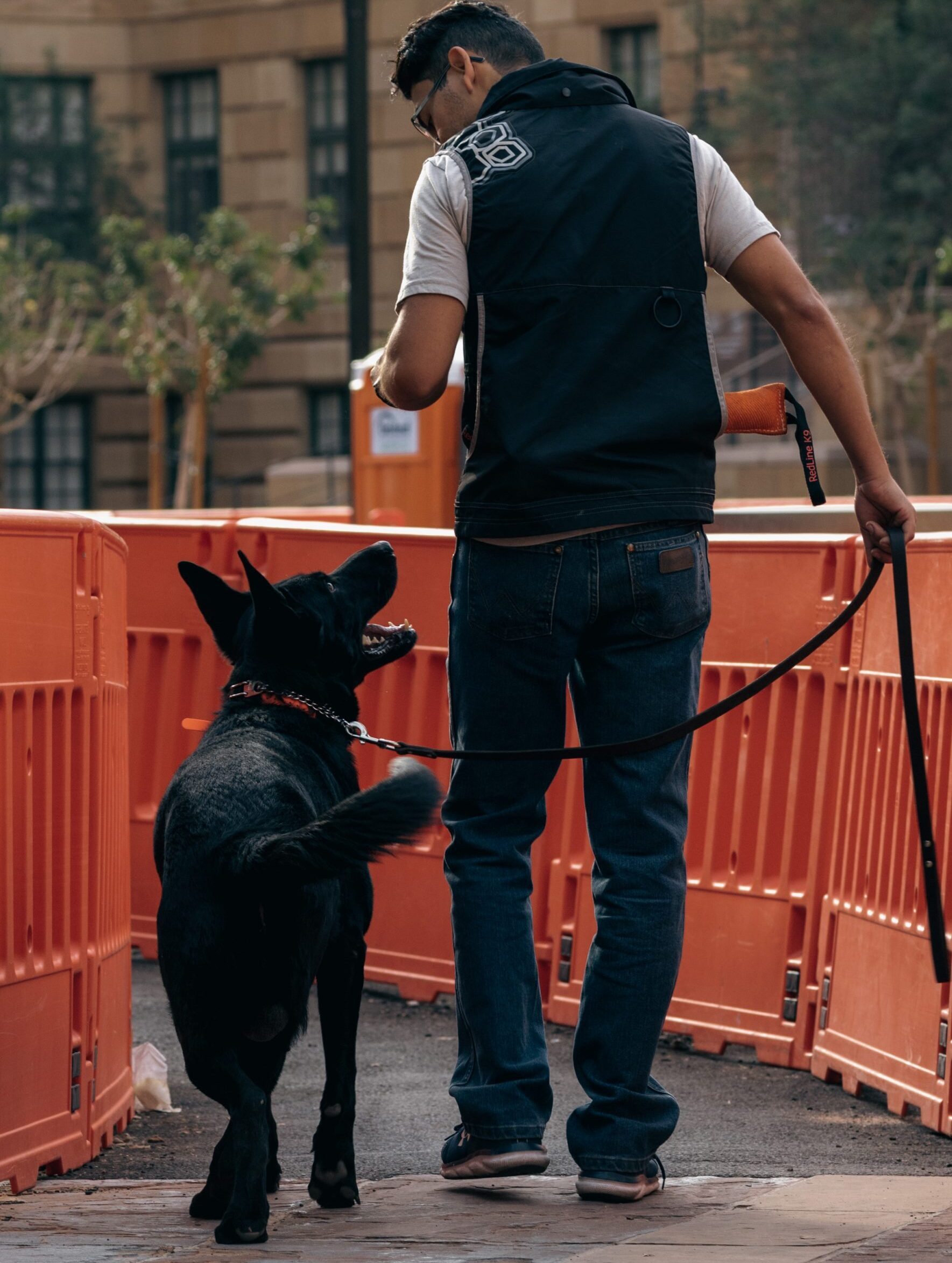
by Viorel Vașadi (https://unsplash.com/@infotimisoara)
Dog training is a collaborative process that involves both the trainer and you as the pet owner. Understanding what to expect can help you make the most of the training experience and contribute positively to your dog’s development.
Initial Assessment
Most trainers will begin with a comprehensive assessment of your dog’s current behavior and your training goals. This evaluation helps tailor the training program to meet your specific needs and ensures that the approach is both effective and aligned with your expectations. The assessment may include discussions about your dog’s history, behavior issues, and any previous training experiences.
Training Sessions
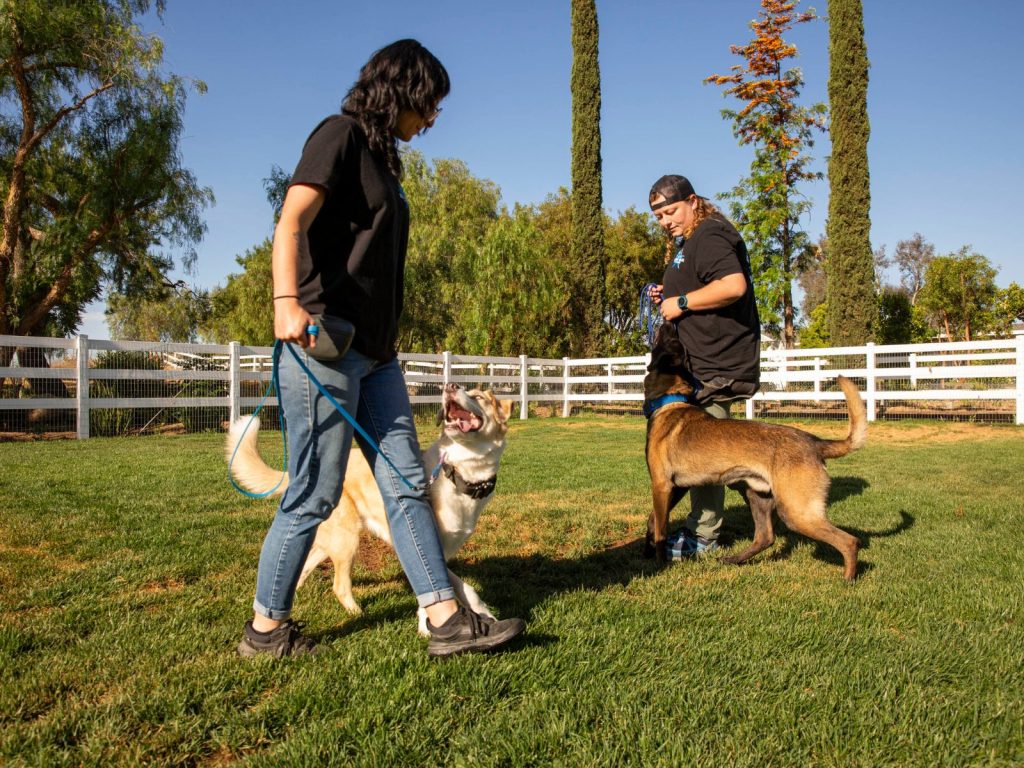
Training sessions can be conducted one-on-one or in a group setting, depending on your preferences and the trainer’s offerings. Consistency and practice are key components of successful training, so expect to receive homework assignments to reinforce what your dog learns in class. These assignments play a crucial role in ensuring that your dog continues to progress outside of the structured training environment.
Progress Monitoring
A competent trainer will monitor your dog’s progress closely and make necessary adjustments to the training plan as needed. Regular updates and feedback sessions will keep you informed and involved in the process, providing opportunities to discuss any concerns or challenges you may encounter. This ongoing communication is vital for maintaining momentum and ensuring the training remains effective.
The Benefits of Professional Dog Training
Investing in professional dog training offers numerous benefits that extend beyond mere obedience:
- Improved Behavior: Training can address and correct undesirable behaviors, making life more enjoyable and less stressful for both you and your dog. By fostering good habits, training can prevent future issues and contribute to a peaceful home environment.
- Stronger Bond: Training helps build trust and strengthens the bond between you and your pet. Engaging in regular training sessions enhances communication and understanding, fostering a deeper connection that will last a lifetime.
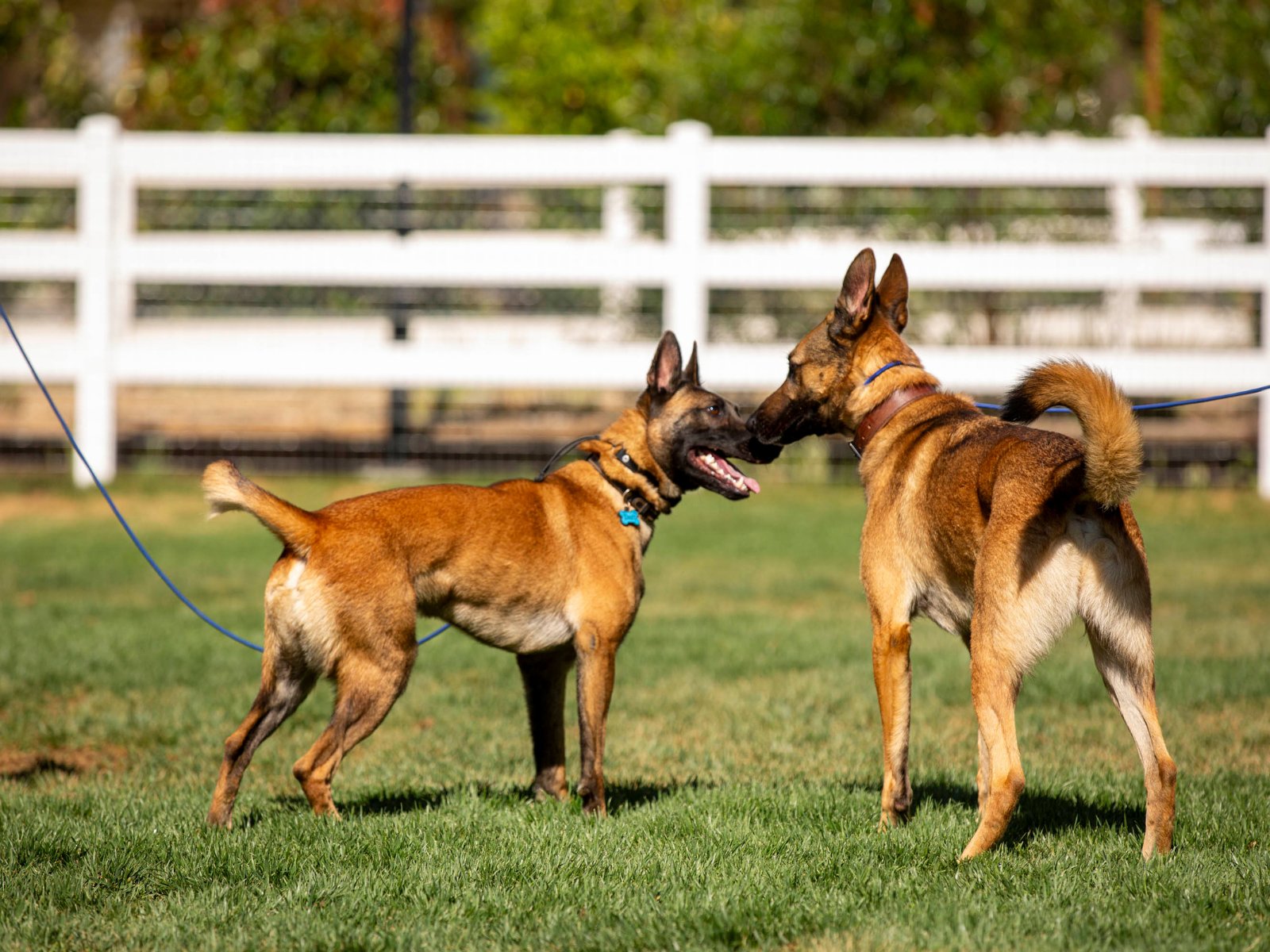
- Socialization: Especially important for puppies, training provides opportunities for your dog to interact with other dogs and people in a controlled environment. This socialization is crucial for developing confidence and ensuring your dog is comfortable in various situations and settings.
- Safety: A well-trained dog is less likely to engage in dangerous behaviors, such as running into traffic or biting. Training equips your dog with the skills to respond reliably to commands, enhancing their safety and your peace of mind.
Conclusion: Making the Right Choice
Finding the best local dog trainer for your pup involves thoughtful research, careful evaluation, and a clear understanding of your training goals. Whether you’re seeking basic obedience, puppy training, or specialized service dog training, the right trainer can make a significant impact on your dog’s behavior and your relationship with them. Take the time to choose a trainer who aligns with your needs and values, and you’ll be on your way to a happier, well-trained pup. By investing in professional training, you’re not only enhancing your dog’s quality of life but also enriching your own experience as a pet owner. Happy training!