Benefits of Dog Boarding and Training
Are you considering a boarding and training program for your dog? Whether you’re dealing with a rambunctious puppy or an older dog that needs some behavioral adjustments, dog boarding and training can offer significant benefits. These programs are not only about teaching your dog new tricks or correcting undesirable behaviors; they provide a structured environment where your dog can grow emotionally and socially. This comprehensive guide will explain the advantages of these programs and help you decide if they’re right for your furry friend.
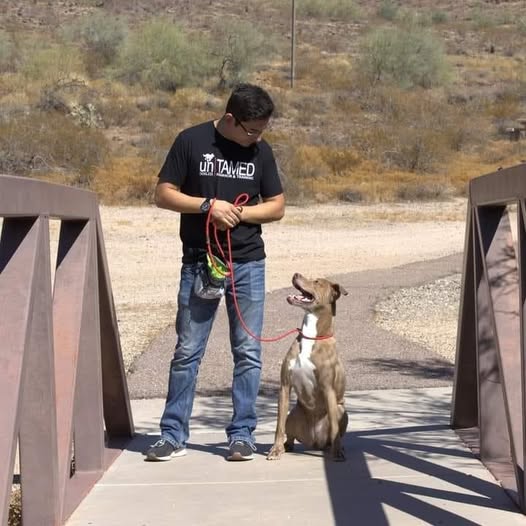
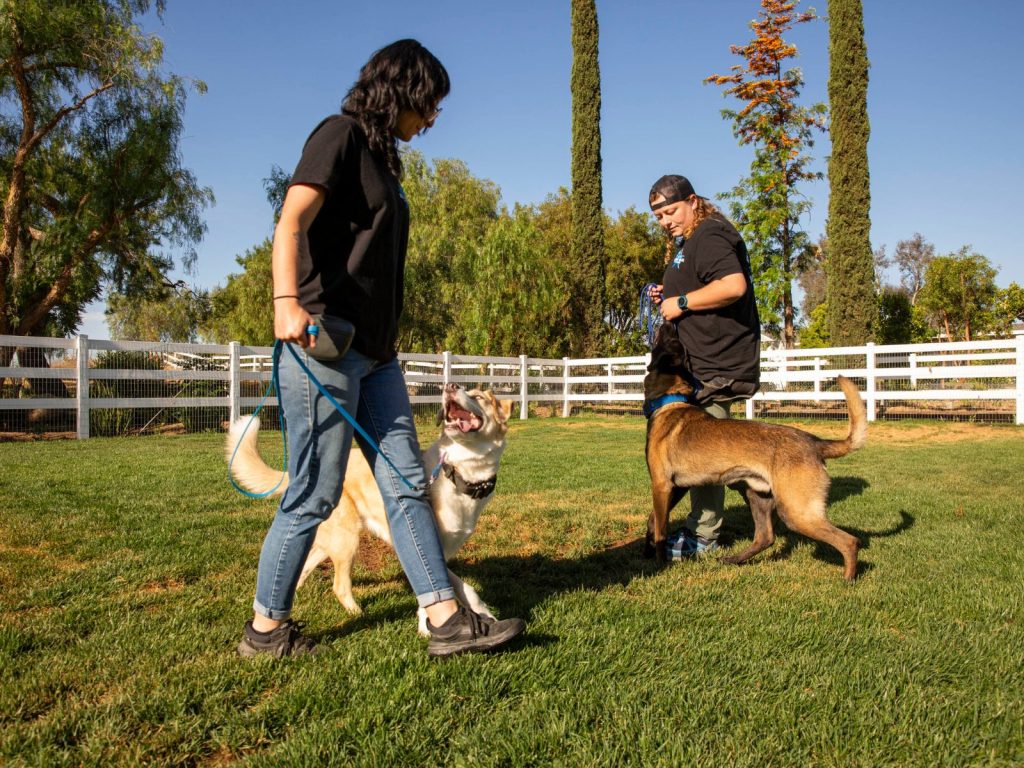
Dog boarding and training programs, often referred to as “board and train,” involve sending your dog to a professional training facility. Your pet stays at the facility for a period, ranging from a few days to several weeks, while receiving intensive training from experienced trainers. These programs can focus on basic obedience, behavior modification, or advanced skills, depending on your dog’s needs and your goals. Not only do these programs offer a break for pet owners, but they also immerse dogs in a learning environment that promotes discipline and focus.
In many cases, the environment at a training facility is designed to simulate various situations that dogs might encounter in everyday life. This controlled setting allows trainers to work on specific behaviors in a safe and effective manner. The daily routine at the facility also helps establish a sense of structure, which can be particularly beneficial for dogs that struggle with anxiety or hyperactivity.
- Puppy Board and Train Programs: These are tailored for young dogs to instill good behaviors from an early age. Early intervention in a puppy’s life can set the foundation for lifelong habits. These programs typically emphasize socialization, potty training, and basic commands, ensuring that your puppy grows into a well-adjusted adult dog.
- Canine Board and Train: Suitable for dogs of any age, these programs target specific behavioral issues or obedience training. Whether your dog needs help with aggression, separation anxiety, or basic manners, canine board and train programs can address these challenges. The customized approach ensures that training is relevant to your dog’s specific needs.
- Intensive Dog Training Boarding: Ideal for dogs with complex behavioral problems that require focused attention. These programs often involve a higher trainer-to-dog ratio and more personalized sessions. For dogs with severe issues, such as extreme fear or aggression, intensive training can be transformative, providing the skills needed to live harmoniously with their human families.
One of the biggest benefits of enrolling your dog in a boarding and training program is access to professional expertise. Trainers at these facilities are skilled in various training methods and can effectively address a wide range of behavioral issues. They possess the knowledge to tailor training sessions to meet the specific needs of your pet. By working with professionals, you ensure that your dog receives the most up-to-date and effective training techniques available.
Moreover, experienced trainers can often identify underlying issues that may not be immediately apparent to pet owners. This insight can be crucial for developing a comprehensive training plan that not only addresses symptoms but also targets root causes. Having professionals handle your dog’s training can relieve you of the stress and guesswork involved in tackling complex behavior problems on your own.
Consistency is key in dog training. At a training facility, your dog will receive regular, structured training sessions. This consistent environment helps reinforce good behavior and ensures that training commands are practiced regularly. The routine established at the facility can be mirrored at home, creating a seamless transition that supports ongoing learning.
In addition, the consistency of a training facility helps mitigate the effects of any distractions that might be present in a typical home environment. Without the interruptions of daily life, such as doorbells or unexpected visitors, your dog can focus entirely on learning and applying new skills. This focused attention often accelerates the learning process, allowing your dog to achieve more in less time.
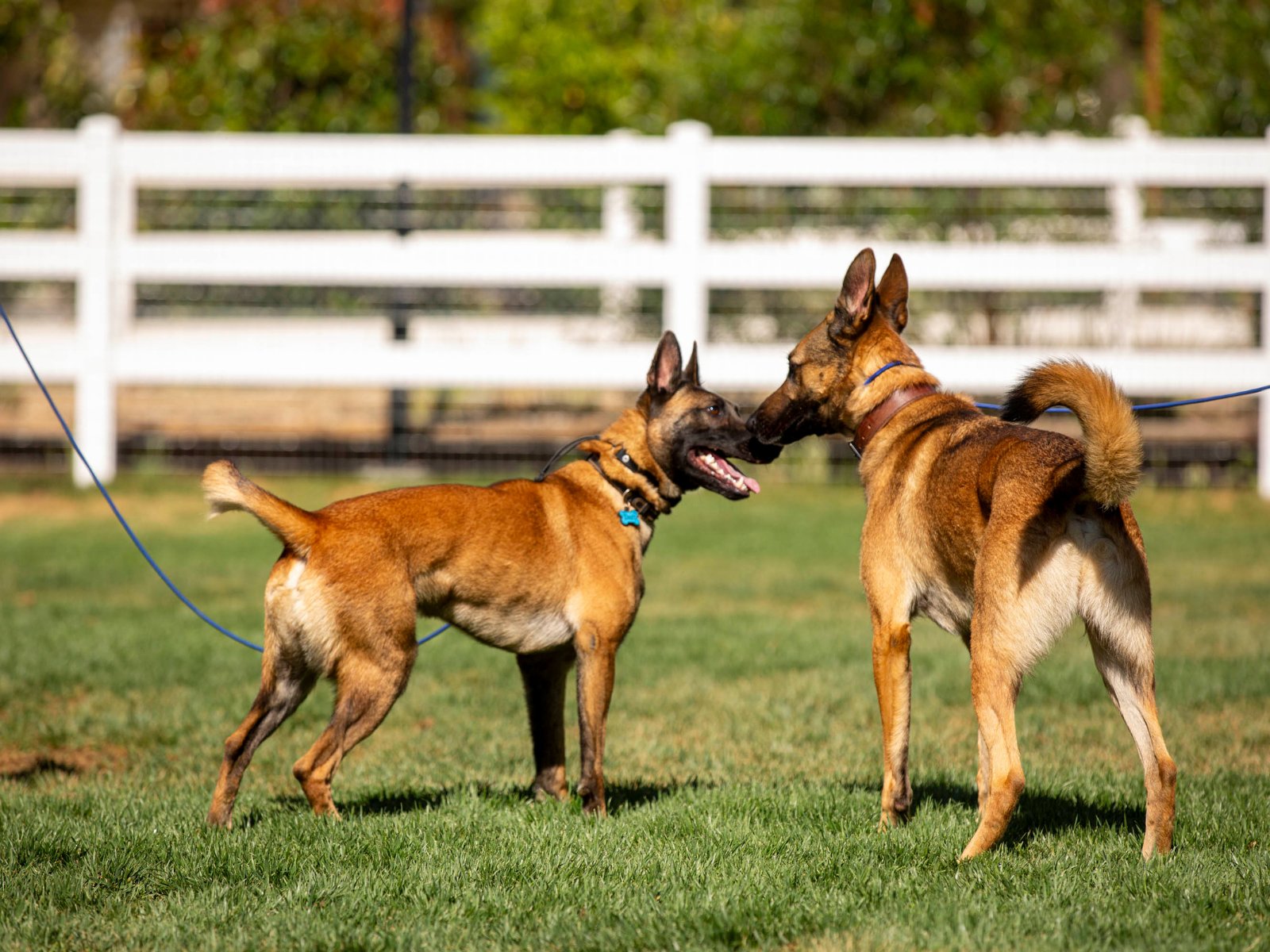
Board and train programs often provide dogs with opportunities to socialize with other dogs and humans. This interaction is crucial for developing your dog’s social skills, reducing anxiety, and teaching them how to behave in different situations. Socialization also helps prevent issues such as fearfulness or aggression towards other dogs, which can be challenging to manage without professional guidance.
Additionally, these programs expose dogs to a variety of people and environments, which is essential for building confidence. A well-socialized dog is generally more adaptable and resilient, making them better equipped to handle changes in their environment or routine. This adaptability can significantly enhance your dog’s quality of life and make them a more pleasant companion.
Each dog is unique, and so are their training needs. Boarding facilities can design customized training plans that cater to your dog’s specific behavioral challenges and your expectations. Whether it’s leash pulling, aggression, or obedience, a tailored plan can be developed to address these issues effectively. Customized plans ensure that training is not only effective but also enjoyable for your dog, as it takes into account their personality and learning style.
Tailored training plans also allow for adjustments as your dog progresses. If certain methods aren’t working or if new issues arise, trainers can quickly adapt the plan to continue making progress. This flexibility ensures that your dog receives the best possible training experience, maximizing the chances of long-term success.
When looking for a boarding school for dogs, it’s essential to do thorough research. Check reviews, ask for recommendations, and visit potential facilities. Observe the cleanliness, the staff’s professionalism, and how dogs are treated. A reputable facility should be transparent about its methods and happy to answer any questions you have.
Visiting a facility gives you a sense of its environment and how well it might suit your dog’s needs. Pay attention to how the staff interacts with the dogs, as this can be a good indicator of the level of care and attention your pet will receive. A well-maintained facility with a positive atmosphere can make a big difference in your dog’s training experience.
Different trainers use various methods. It’s crucial to ensure that the facility uses positive reinforcement techniques, as harsh methods can harm your dog’s mental and emotional well-being. Positive reinforcement not only strengthens the bond between you and your dog but also fosters a love for learning and cooperation.
Ask about the facility’s training philosophy and specific techniques they employ. Understanding their approach can help you determine if it aligns with your values and expectations. Remember, the right method can significantly impact your dog’s progress and overall happiness.
While you might be tempted to choose a cheap board and train for dogs, remember that quality training is an investment. Compare prices and services offered, and choose a program that provides the best value for your money. The cost should reflect the level of expertise, facilities, and personalized attention your dog will receive.
Consider any additional services included in the cost, such as follow-up support or progress reports. These extras can be invaluable in maintaining your dog’s training and ensuring long-term success. Ultimately, the goal is to find a program that offers both quality and affordability, providing peace of mind that your dog is in good hands.
Consider the duration of the training program and whether it aligns with your schedule. Some facilities offer flexible programs that can accommodate your needs, allowing you to visit or check on your dog during the training period. Flexibility is essential, especially if you have specific time constraints or want to be involved in the training process.
Ask about the possibility of customizing the program’s length based on your dog’s progress. A flexible approach ensures that your dog gets the most out of the experience without feeling rushed or overwhelmed. This adaptability can significantly enhance the effectiveness of the training and your overall satisfaction.
Before enrolling your dog in a boarding program, ensure they are in good health. Most facilities require vaccinations to prevent the spread of diseases. A health check can also identify any issues that might affect your dog’s training experience. Ensuring your dog is healthy not only protects them but also contributes to a positive and productive training environment.
Consult your veterinarian about any specific health concerns or dietary needs your dog may have. Providing this information to the facility will help them care for your dog appropriately. A thorough health check and open communication about your dog’s needs can set the stage for a successful training experience.
When sending your dog to a boarding school, pack essentials such as their favorite toys, bedding, and food. Familiar items can provide comfort and ease the transition into a new environment. These items can help reduce stress and make your dog feel more at home during their stay.
Consider including a few special treats or a piece of your clothing with your scent on it, which can further comfort your dog. The goal is to make the boarding experience as enjoyable as possible, minimizing anxiety and promoting a positive attitude towards learning and interaction.
Establish clear communication with the trainers. Discuss your dog’s behaviors, triggers, and any specific goals you have in mind. This information will help trainers tailor the program to meet your expectations. Open communication ensures that everyone is on the same page and working towards the same objectives.
Regular updates from the trainers can also provide peace of mind and allow you to track your dog’s progress. Don’t hesitate to ask questions or request feedback throughout the process. A collaborative approach between you and the trainers can significantly enhance the effectiveness of the program.
After your dog returns home, it’s crucial to reinforce the training they received. Consistency is key to maintaining good behavior. Follow the trainer’s instructions and continue practicing commands and routines at home. Reinforcement ensures that the skills your dog learned are retained and integrated into their daily life.
Create a routine that mirrors the structure of the training facility. This familiarity can help your dog feel secure and confident, making it easier to maintain their new behaviors. Consistent reinforcement also strengthens the bond between you and your dog, as they learn to look to you for guidance and support.
Many board and train programs offer follow-up support to ensure the training’s success. Take advantage of these services if you encounter any challenges or need additional guidance. Follow-up sessions can address any issues that arise and reinforce the progress your dog has made.
Ongoing support can also help you build on the foundation established during the training program. Whether through regular check-ins or additional training sessions, continued support ensures that your dog’s development remains on track.
Keep your dog socially active by arranging playdates or taking them to dog parks. Socialization helps maintain their skills and reduces the risk of behavioral issues resurfacing. Regular interaction with other dogs and people reinforces positive behaviors and builds confidence.
Engaging in social activities also provides mental stimulation and physical exercise, which are crucial for a well-balanced dog. By prioritizing socialization, you help your dog maintain their training and enjoy a fulfilling, happy life.
Dog boarding and training programs can be a game-changer for your pet’s behavior and obedience. With professional expertise, a consistent training environment, and customized plans, these programs provide a solid foundation for a well-behaved dog. Remember to research thoroughly and choose a facility that aligns with your needs and values. With the right program, your furry friend will return home happier, healthier, and better-behaved.
Incorporating boarding and training into your dog’s life not only benefits them but also enhances the bond between you and your pet. Consider enrolling your dog in a board and train program to set them on the path to success. By investing in professional training, you’re not just solving immediate issues but also setting the stage for a lifetime of positive interactions and experiences. The benefits of these programs can extend far beyond obedience, enriching both your dog’s life and your relationship with them.