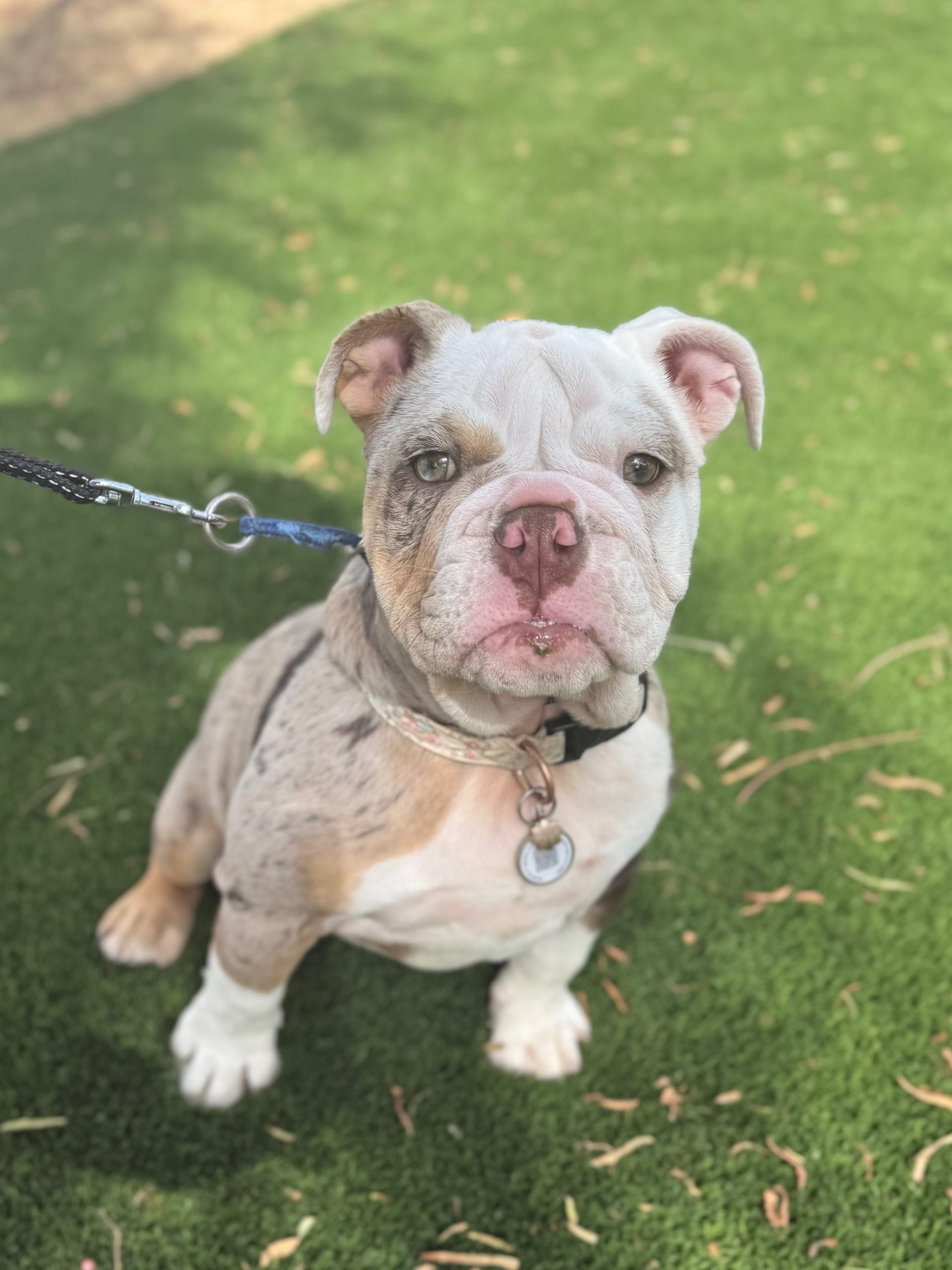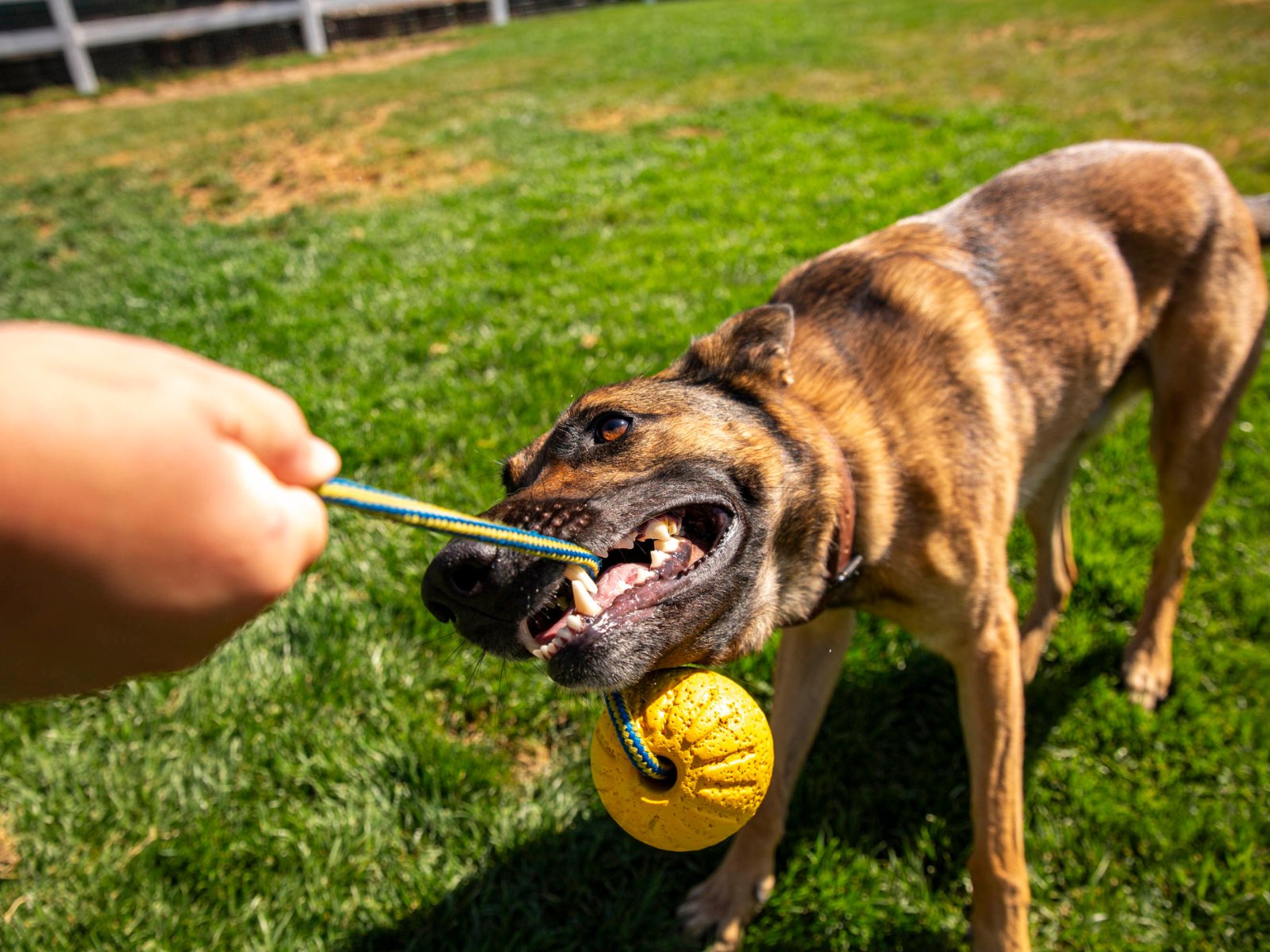
Step-by-Step Guide to Puppy Leash Training
Introducing your puppy to leash training can be both an exciting and challenging experience. A well-trained dog is not only a joy to walk but also ensures safety for both you and your pet. This guide will walk you through the process of teaching your puppy to walk on a leash without pulling, ensuring you both enjoy your outings together. As your puppy learns the ropes, you’ll find that the bond between you and your canine companion strengthens, making walks a cherished activity for both.

Leash training is more than just getting your puppy to walk alongside you. It involves teaching your puppy to understand the cues and commands associated with walking and ensuring that they respond appropriately. The goal is to achieve loose leash walking, where the leash is slack and your puppy walks calmly beside you. This foundation sets the stage for a lifetime of enjoyable walks, establishing a clear line of communication between you and your puppy.
Why Loose Leash Walking Is Important
Loose leash walking is crucial for a few reasons. First, it prevents your puppy from pulling, which can lead to injury for both you and your dog. A dog that pulls constantly can strain its neck and spine, leading to long-term health issues. It also makes walks more enjoyable, as your puppy is more likely to explore safely without tugging or straining. Additionally, loose leash walking fosters a sense of calm and control, making it easier to navigate busy streets or crowded parks.
Getting Started: Essential Equipment
Before you begin, ensure you have the right equipment. A sturdy leash and a comfortable collar or harness are essential. The leash should be long enough to allow some freedom but short enough to maintain control. Investing in quality equipment not only enhances the training experience but also ensures your puppy’s safety during walks.
Choosing the Right Leash and Collar
When selecting a leash, consider a standard six-foot leash made of nylon or leather. Avoid retractable leashes as they can encourage pulling and may not provide the necessary control. For collars, a flat collar or a harness is ideal for puppies. A harness can be particularly beneficial for breeds prone to tracheal collapse or those with delicate necks, as it distributes pressure more evenly.
Step-by-Step Leash Training Guide
Step 1: Introduce the Leash and Collar
Begin by letting your puppy wear the collar or harness and leash around the house. Allow them to get used to the feeling without any pressure. This acclimation period helps reduce anxiety and makes the leash seem like a natural extension. You can start by letting them wear it during playtime or feeding to associate the gear with positive experiences.
Step 2: Start Indoors
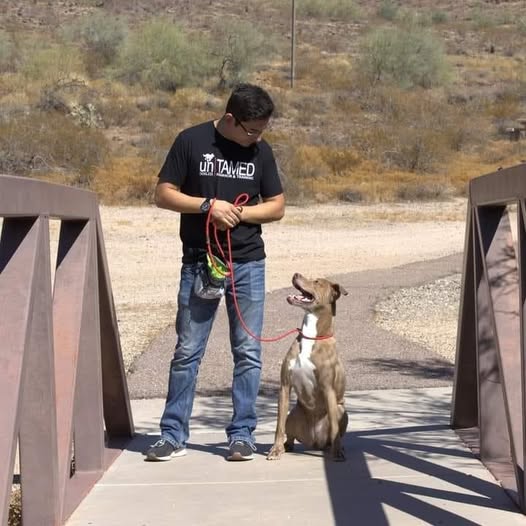
Once your puppy is comfortable, start practicing indoors. Use treats to encourage your puppy to follow you as you hold the leash. Reward them frequently for walking beside you with a slack leash. Indoor training reduces distractions, allowing your puppy to focus solely on learning the concept of walking calmly by your side.
Step 3: Teach Basic Commands
Introduce basic commands like “come” and “heel” during your indoor practice sessions. Consistency is key, so use the same commands and gestures each time. This helps your puppy understand what is expected of them. Incorporate hand signals along with verbal cues to enhance communication, especially in noisy environments.
Step 4: Move to the Yard
After mastering indoor walking, move to a more distracting environment like your yard. The open space provides new stimuli but is still a controlled environment. Continue using treats and commands to guide your puppy. Gradually introduce more distractions, such as toys or other family members, to simulate real-world conditions.
Overcoming Common Challenges

Training a puppy to walk on a leash can come with its challenges. Here’s how to tackle some common issues:
Dealing with Pulling
If your puppy starts pulling, stop walking immediately. Stand still and wait for your puppy to return to you. Once the leash is slack again, resume walking. This teaches your puppy that pulling leads to a stop in movement. Consistency in this approach helps your puppy learn that cooperation is the key to progress and exploration.
Handling Distractions
Puppies are naturally curious and can be easily distracted. Use high-value treats to regain their attention. Practice in areas with fewer distractions initially, gradually increasing the difficulty as your puppy improves. Incorporate short training sessions to prevent overstimulation and maintain your puppy’s focus.
Reinforcing Positive Behavior
Positive reinforcement is crucial in training. Celebrate small victories with treats, praise, or play. This encourages your puppy to repeat the desired behavior. Consistently rewarding good behavior builds your puppy’s confidence and strengthens their trust in you as a leader.
Advanced Leash Training Techniques
Once your puppy has mastered basic leash walking, you can introduce more advanced techniques such as:
Practicing in Different Environments
Expose your puppy to various environments, including parks and urban areas. This helps them become accustomed to different sights and sounds, reinforcing their training in diverse settings. Each new environment presents unique challenges, allowing your puppy to apply their skills in real-world scenarios.
Incorporating Group Dog Training
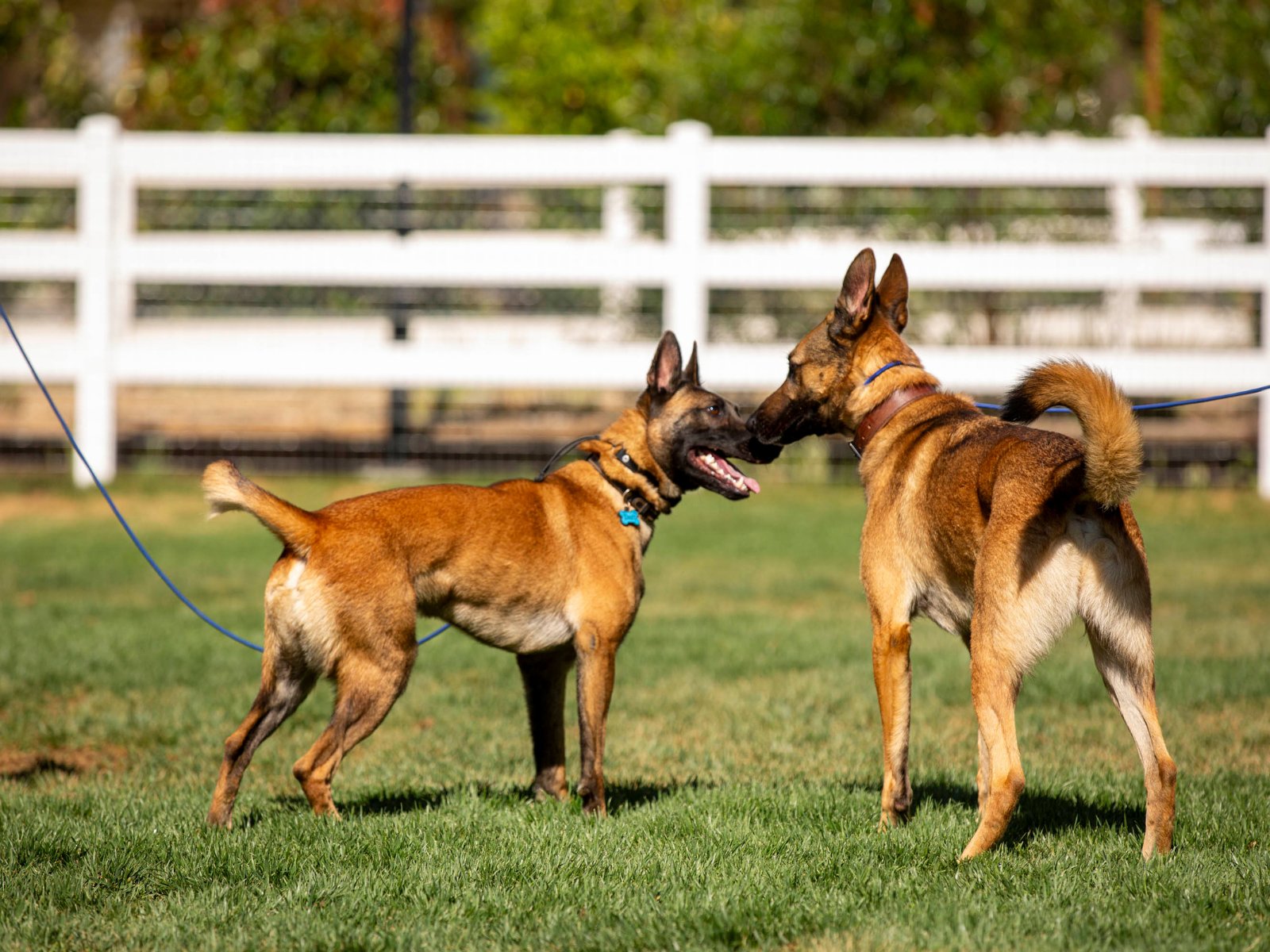
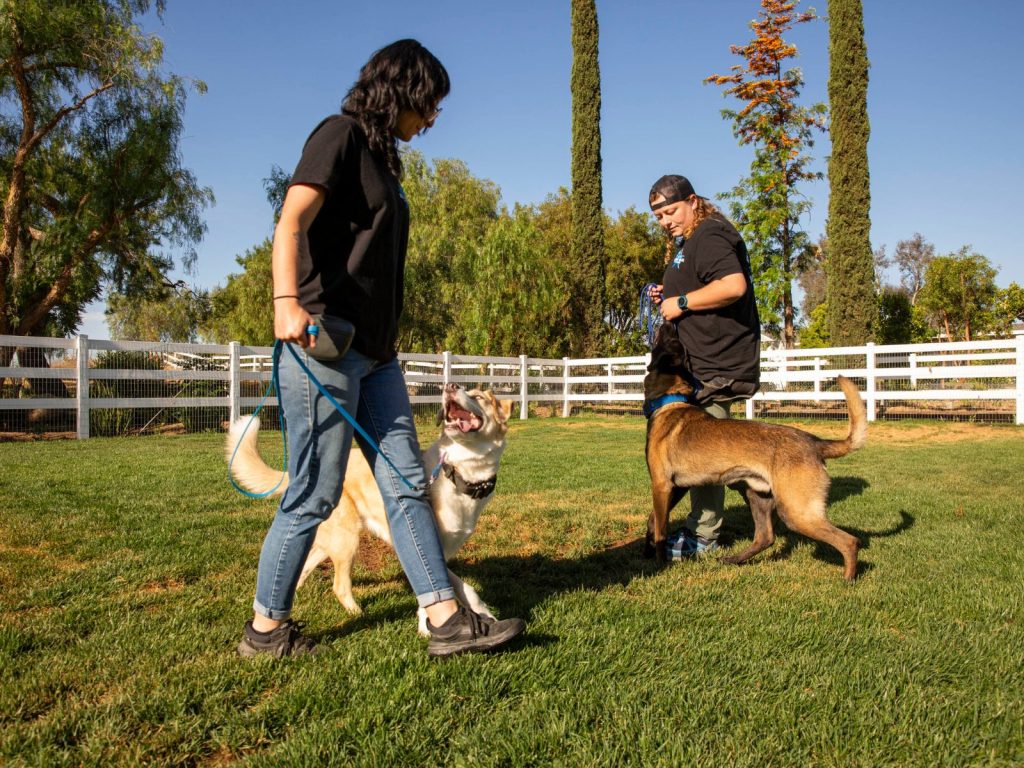
Consider enrolling in group dog training classes. These classes provide socialization opportunities and introduce your puppy to structured training environments. Plus, you’ll have access to professional trainers for additional guidance. Interacting with other dogs under controlled conditions helps your puppy learn appropriate social behaviors.
Maintaining Consistency and Patience
Training takes time, patience, and consistency. Regular practice and a positive attitude are vital. Remember that every puppy learns at their own pace, so be patient and persistent. Celebrate progress, no matter how small, and avoid frustration, as it can hinder your puppy’s learning experience.
Conclusion
Training your puppy to walk on a leash is an essential part of their development. With the right approach and consistency, you can teach your puppy to enjoy walks without pulling. The bond you’ll build through training will enhance your relationship and ensure safe, enjoyable adventures together. As you continue to practice and explore new environments, you’ll both gain confidence, creating lasting memories along the way.
By following this step-by-step guide, you’ll be well on your way to mastering leash training and enjoying many happy walks with your furry friend. The skills you develop together will lay the foundation for a lifetime of mutual understanding and companionship.

by Madalyn Cox (https://unsplash.com/@madalyncox)