Building Trust: Training Aggressive Dogs Successfully
In this guide, we’ll explore effective strategies for training aggressive dogs, focusing on building trust and fostering a positive relationship between you and your canine companion. By understanding the root causes of aggression and employing specific training techniques, you can create a harmonious environment for both you and your pet.

Understanding canine aggression involves delving into the complex world of dog psychology. Aggression in dogs is not just a behavioral issue; it’s a multi-faceted problem that can be triggered by a variety of factors. By identifying these triggers and understanding the underlying causes, you can develop a more targeted approach to managing and mitigating aggressive behavior.
What Causes Aggression in Dogs?
Aggression in dogs can manifest for various reasons, including fear, anxiety, lack of socialization, or even genetics. It is crucial to identify the triggers that lead to aggressive behavior in order to address them effectively. Some common causes include:
- Fear or Anxiety: Dogs may become aggressive when they feel threatened or scared. This reaction is often seen in dogs that have not been properly socialized. Fear-induced aggression is a defense mechanism, where a dog perceives a threat and reacts to protect itself. Understanding the specific fears your dog has can help in creating a calmer environment and reducing anxiety-driven aggression.
- Protective or Territorial Instincts: Dogs naturally want to protect their space and family. Aggression can occur when they perceive a threat to their home or loved ones. Territorial aggression is deeply rooted in a dog’s instinct to safeguard what they consider theirs. Recognizing and managing these instincts involves teaching your dog to differentiate between real and perceived threats.
- Frustration or Overstimulation: Dogs that cannot release pent-up energy or frustration may act out aggressively. This type of aggression often arises when a dog lacks sufficient physical exercise or mental stimulation. Providing ample outlets for energy and mental challenges can alleviate frustration and reduce aggressive behaviors.
- Pain or Medical Issues: Sometimes, underlying health problems can lead to aggression. Always rule out medical issues with a veterinarian. Pain can significantly alter a dog’s behavior, leading to irritability and aggression. Regular veterinary check-ups can help identify and address any health issues that may be contributing to aggressive behavior.
Understanding these factors is the first step in developing a successful training program. By identifying the root causes, you can tailor your training approach to address specific triggers and promote positive behavior changes.
Designing a Training Program
Designing a training program for an aggressive dog involves setting clear objectives and employing effective techniques that cater to your dog’s unique needs. A well-structured program focuses on gradual progress and consistency, fostering a supportive environment for behavioral improvement.
Setting Realistic Goals
When designing a training program for aggressive dogs, it is essential to set realistic and achievable goals. Patience is key, as progress may be gradual. Remember that the goal is to improve behavior and build a trusting relationship, not to completely change your dog’s personality.
- Short-Term Objectives: Start with small, attainable goals that focus on immediate behavior improvements. This might include reducing the frequency of aggressive outbursts or increasing your dog’s tolerance to specific triggers.
- Long-Term Goals: Set broader objectives that aim for significant behavioral change over time. These goals could involve your dog becoming more comfortable in social settings or responding positively to commands in previously challenging situations.
- Adjusting Expectations: Be prepared to adjust your goals based on your dog’s progress. Every dog is different, and some may require more time and patience than others. Flexibility in your training plan allows for a more personalized approach to your dog’s needs.
Choosing the Right Training Methods

There are several training methods available for aggressive dogs, and selecting the right one is crucial. Some effective strategies include:
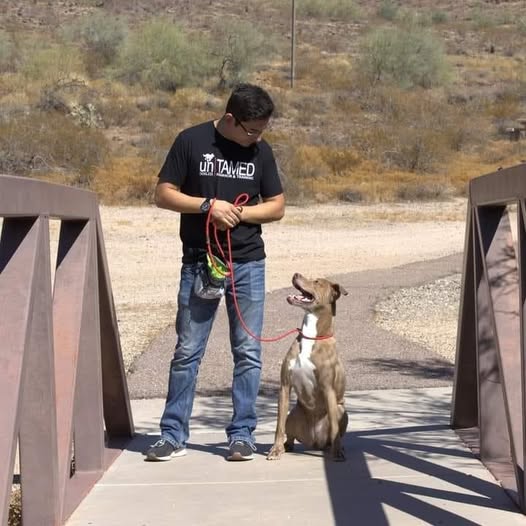
- Positive Reinforcement: Rewarding desired behaviors with treats, praise, or playtime encourages dogs to repeat these actions. Positive reinforcement is a powerful tool that builds a dog’s confidence and reinforces good behavior. By consistently rewarding positive actions, you create a positive learning environment.
- Desensitization and Counterconditioning: Gradually exposing your dog to the source of aggression in a controlled environment can help reduce fear and anxiety over time. This method involves slowly introducing the trigger at a low intensity and rewarding calm behavior, gradually increasing exposure as your dog becomes more comfortable.
- Obedience Training: Basic commands such as sit, stay, and leave it can help manage aggressive tendencies by improving control and communication. Teaching your dog to respond to commands helps redirect attention away from aggression and fosters a stronger bond between you and your pet.
Professional Training and Support
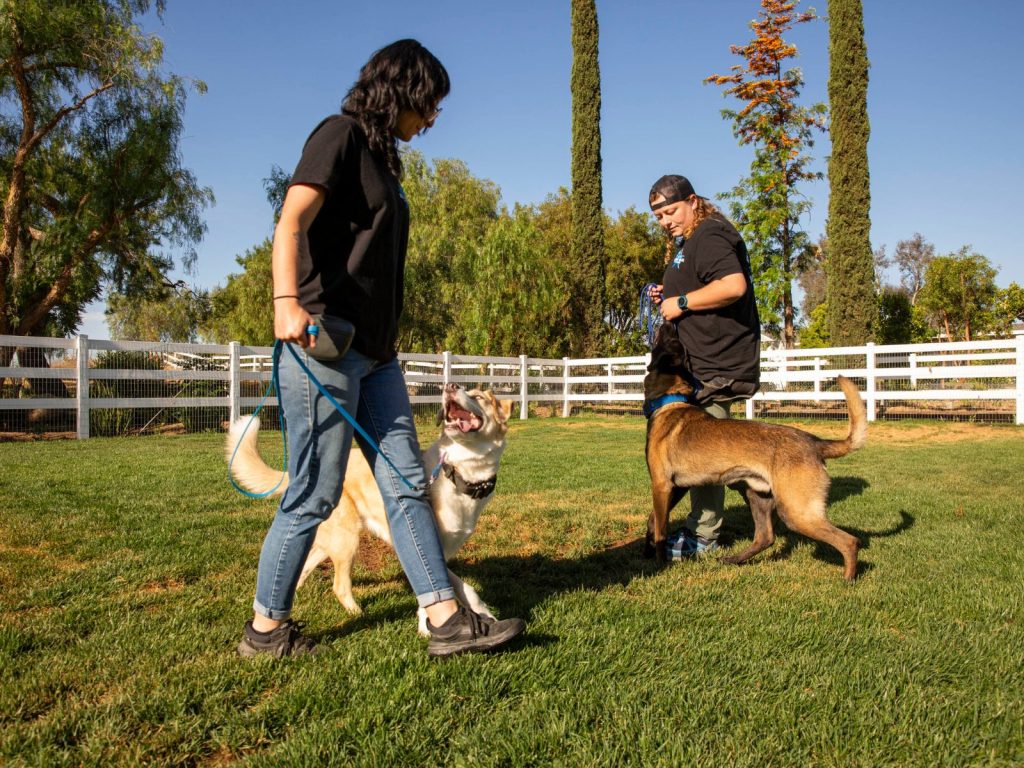
For many dog owners, seeking the help of a professional dog trainer or behaviorist is beneficial. Specialists in aggressive dog behavior can provide valuable insight and hands-on training techniques tailored to your dog’s needs.
- Finding the Right Professional: Look for trainers or behaviorists with experience in dealing with aggressive dogs. Recommendations from veterinarians or fellow dog owners can be helpful in finding a qualified professional.
- Collaborative Approach: Work closely with the trainer to implement a consistent training plan. Regular communication ensures that you are aligned in your approach and can adjust strategies as needed.
- Ongoing Support: Even after initial training, maintaining contact with a professional can provide continued support. Regular check-ins allow for monitoring progress and addressing any new challenges that may arise.
Training Techniques for Aggressive Dogs
Training techniques for aggressive dogs focus on building trust and confidence, essential components of a successful training program. By employing these techniques, you can foster a positive relationship with your dog and encourage behavioral improvement.
Building Trust and Confidence
Trust is the foundation of any successful training program. To build trust with your aggressive dog, consider the following techniques:
- Consistency: Stick to a regular training schedule and maintain consistent commands and responses. Consistency in your interactions helps your dog understand expectations and reduces anxiety.
- Patience: Avoid showing frustration or anger, as this can worsen aggression. Patience allows your dog to learn at their own pace, promoting a positive learning environment.
- Body Language: Use calm, non-threatening body language to communicate with your dog. Dogs are highly attuned to human body language, and maintaining a relaxed demeanor helps put your dog at ease.
- Positive Interactions: Engage in activities that your dog enjoys to strengthen your bond. Positive experiences help your dog associate you with safety and security, reducing aggressive tendencies.
Teaching Basic Commands
Basic obedience commands are essential tools in managing aggressive behavior. Consistent training in commands such as sit, stay, and leave it can help redirect your dog’s focus and prevent aggressive outbursts.
- Starting Simple: Begin with basic commands and gradually increase complexity as your dog becomes more comfortable. Simple commands lay the groundwork for more advanced training.
- Repetition and Rewards: Use repetition and rewards to reinforce command learning. Consistent practice helps solidify your dog’s understanding and response to commands.
- Incorporating Commands into Daily Routine: Integrate command training into daily activities to reinforce learning. Using commands during walks or playtime provides practical applications and reinforces positive behavior.
Socialization

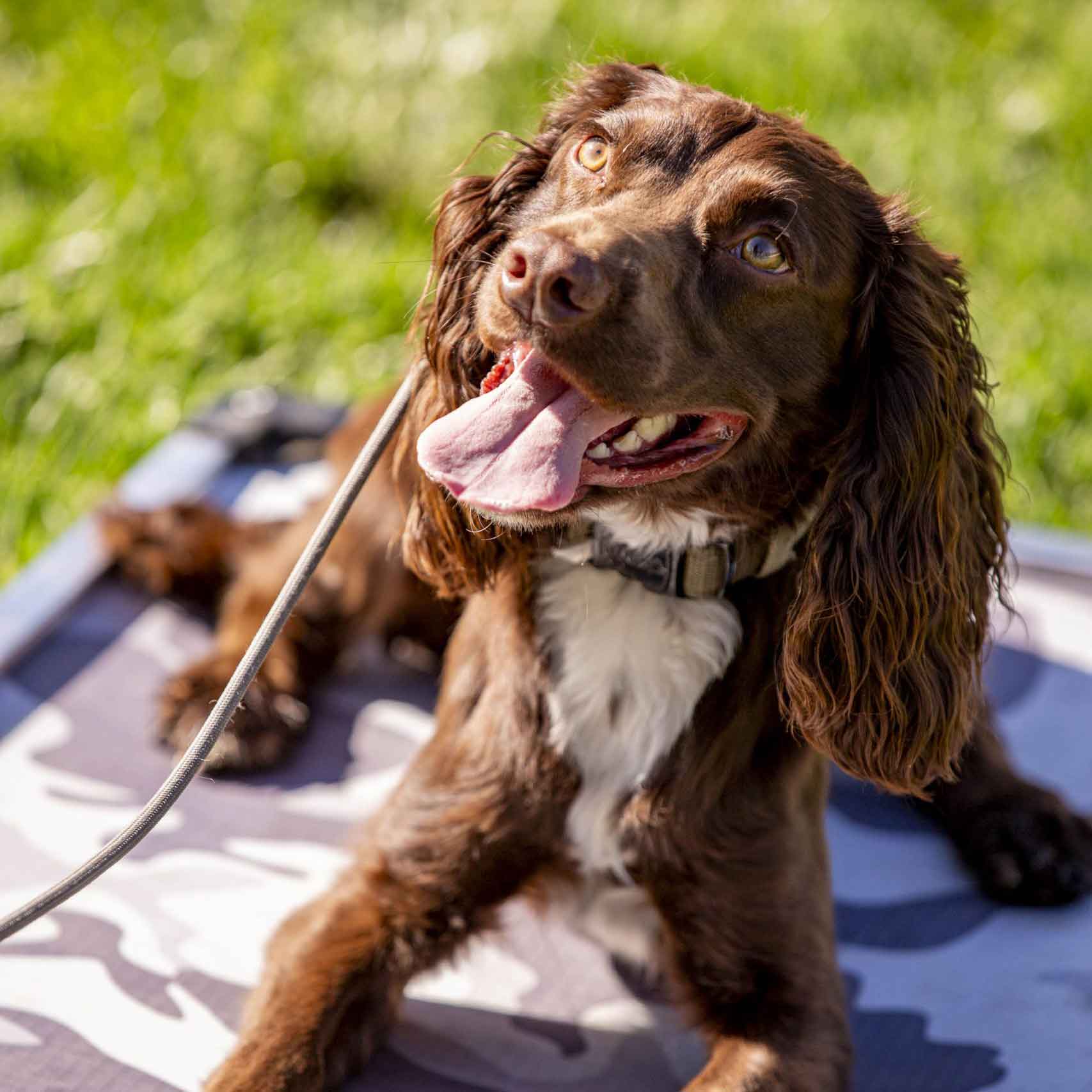
by Rafael Hoyos Weht (https://unsplash.com/@rhweht)
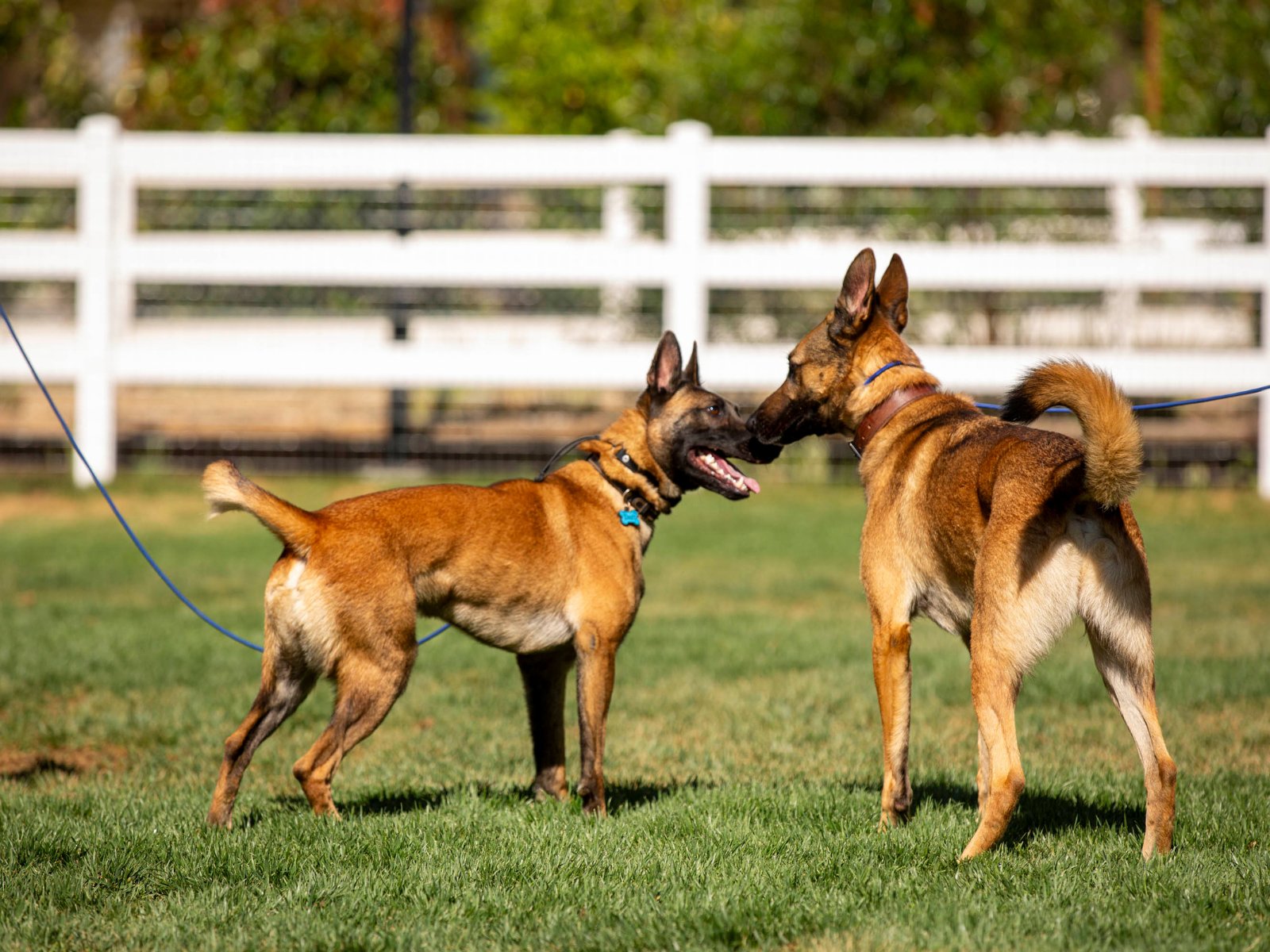
Proper socialization is crucial for puppies and adult dogs alike. Introducing your dog to new people, environments, and other animals in a controlled and positive manner can reduce fear and aggression.
- Puppy Classes: Enroll your puppy in classes to help them learn appropriate social behaviors from a young age. Early socialization provides a foundation for positive interactions throughout your dog’s life.
- Controlled Playdates: Arrange playdates with well-behaved dogs to encourage positive interactions. Supervised play allows your dog to practice social skills in a safe environment.
- Exposure to Various Stimuli: Gradually expose your dog to different environments, sounds, and people. Controlled exposure helps your dog adapt to new situations and reduces anxiety-driven aggression.
Managing Aggression at Home
Managing aggression at home involves creating a safe and supportive environment for your dog. By addressing potential triggers and providing appropriate outlets for energy, you can reduce stress and promote positive behavior.
Creating a Safe Environment
Your home environment plays a significant role in managing aggression. Ensure your dog has a safe space where they can retreat when feeling overwhelmed. Remove potential triggers and provide plenty of mental and physical stimulation.
- Designated Safe Space: Create a comfortable area where your dog can relax and feel secure. This space should be free from potential stressors and provide a sense of safety.
- Identifying and Removing Triggers: Identify environmental triggers and remove or minimize them. This might include reducing loud noises or limiting access to areas where aggression is more likely to occur.
- Providing Stimulation: Offer a variety of toys and activities to keep your dog mentally and physically engaged. Stimulation helps alleviate boredom and reduces the likelihood of aggression stemming from frustration.
Monitoring Body Language
Understanding your dog’s body language can help you anticipate aggressive behavior and address it before it escalates. Look for signs such as a stiff posture, raised hackles, or a fixed stare, and intervene with calming techniques.
- Recognizing Warning Signs: Learn to recognize subtle cues that indicate your dog may be feeling stressed or threatened. Early intervention can prevent aggressive incidents.
- Responding Appropriately: Use calming techniques to diffuse tension, such as redirecting your dog’s attention or providing a favorite toy. Appropriate responses help your dog feel supported and understood.
- Documenting Behavior Patterns: Keep a record of your dog’s behavior and note any patterns or triggers. Documentation helps identify areas for improvement and guides your training approach.
Advanced Training and Continued Education
Advanced training and continued education provide additional resources for managing aggressive behavior. By exploring specialized programs and online resources, you can enhance your skills and deepen your understanding of canine aggression.
Aggressive Dog Boot Camps
For severe cases, aggressive dog boot camps offer intensive training programs designed to address challenging behaviors. These programs are typically run by experienced trainers who provide a structured environment for behavior modification.
- Structured Environment: Boot camps offer a controlled setting where your dog can focus on behavior modification. The structured environment minimizes distractions and enhances learning.
- Expert Guidance: Trainers with specialized expertise in aggression provide targeted strategies for behavior change. Their experience offers valuable insights and techniques.
- Comprehensive Approach: Boot camps often involve a comprehensive approach, addressing various aspects of aggression and providing a holistic training experience.
Online Training Resources
Online resources and courses can supplement your training efforts by offering expert advice and strategies. Consider enrolling in aggression management courses to deepen your understanding and skills.
- Access to Expert Knowledge: Online courses provide access to trainers and behaviorists with specialized expertise. This knowledge helps broaden your understanding of aggression management.
- Flexible Learning: Online resources offer the flexibility to learn at your own pace and on your schedule. This convenience allows for continuous education and improvement.
- Community Support: Online platforms often include community forums where you can connect with other dog owners. Sharing experiences and advice fosters a supportive learning environment.
Conclusion
Training an aggressive dog requires dedication, patience, and a commitment to building a trusting relationship. By understanding the root causes of aggression and implementing effective training techniques, you can transform your dog’s behavior and enhance your bond. Remember, each dog is unique, and progress may vary, but with persistence and the right support, success is within reach.
By focusing on positive reinforcement, socialization, and professional guidance, you can create a safe and harmonious environment for both you and your beloved pet. The journey to managing aggression is a collaborative effort, one that strengthens the bond between you and your dog and leads to a more peaceful coexistence.