Teaching Your Dog Basic Commands Effectively

Understanding the importance of basic commands is crucial for both you and your dog. These commands serve as the foundation for good behavior and effective communication. Let’s delve deeper into why teaching these commands is beneficial.
Ensure Safety
Commands like “stop” or “stay” are not just about obedience; they’re about safety. Imagine a scenario where your dog is running towards a busy street. A well-timed “stop” could prevent a potential disaster. Teaching these commands can significantly reduce the risk of accidents, ensuring that your dog remains safe even in unpredictable environments. This not only protects your dog but also gives you peace of mind.
Improve Behavior
A well-trained dog is a joy to be around. Commands help curb undesirable behaviors such as jumping on guests, barking excessively, or pulling on the leash during walks. By establishing clear boundaries and expectations through commands, you create an environment where your dog understands what behaviors are appropriate. This leads to a more harmonious household and a more enjoyable experience for both you and your dog.
Enhance Bonding
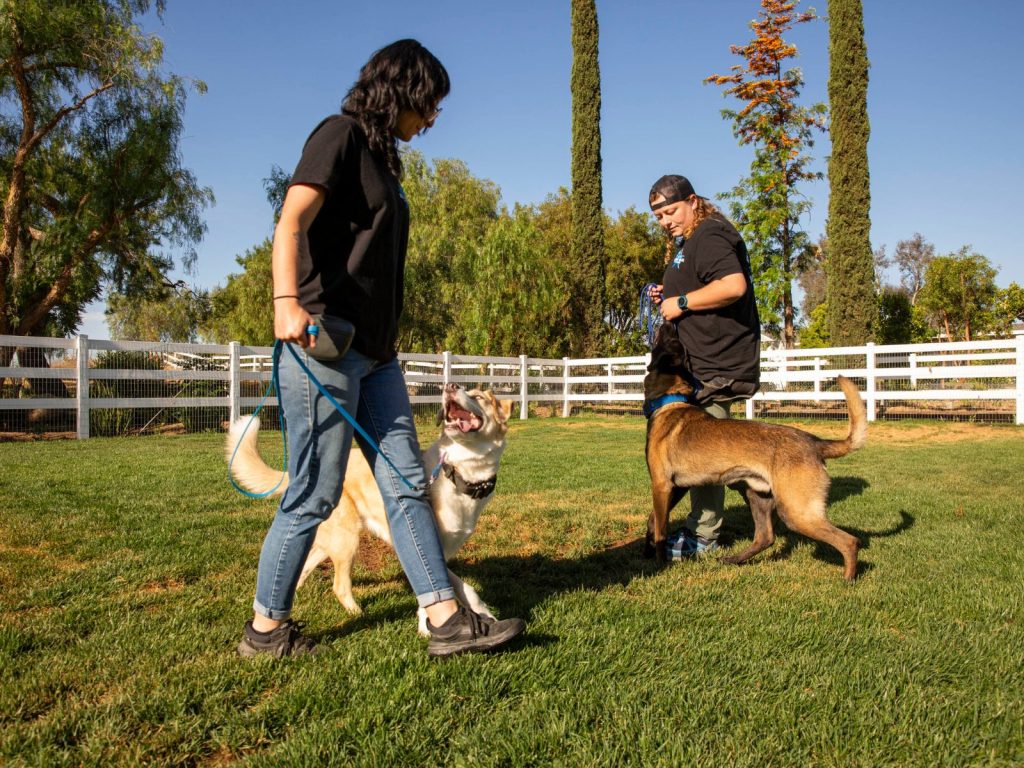
Training sessions are more than just about learning commands; they are a time for you and your dog to bond. These sessions build mutual trust and understanding, strengthening your relationship. As you spend more time training, you become more attuned to each other’s cues and signals, leading to a deeper connection. This bond makes training more effective and enjoyable for both parties involved.
Facilitate Social Interactions
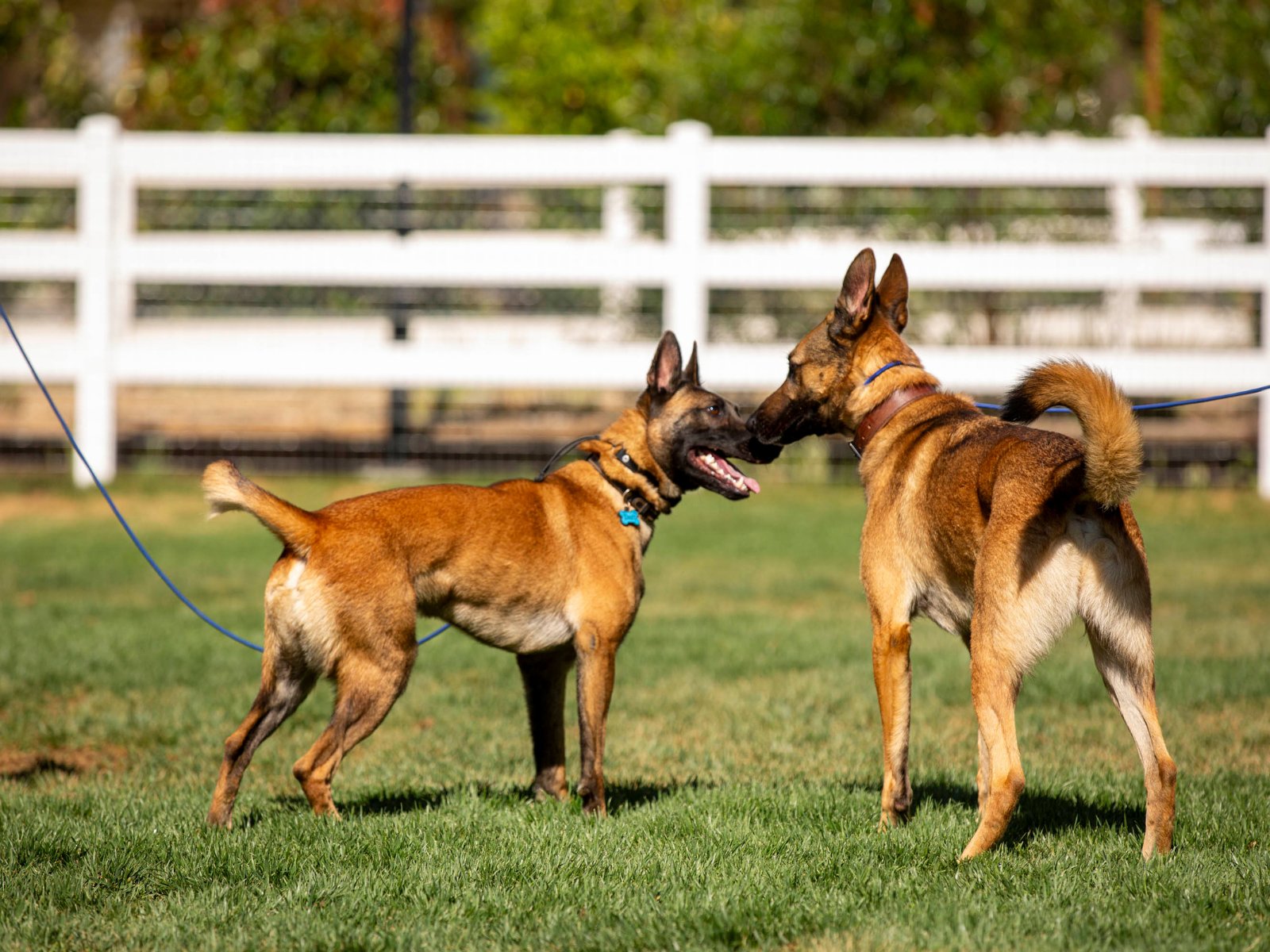
A dog that follows commands is more likely to be welcomed in public places and social gatherings. Whether you’re at a park, a friend’s house, or a dog-friendly café, a well-behaved dog makes the experience pleasant for everyone involved. Commands ensure that your dog remains calm and collected, allowing them to interact positively with other people and animals. This socialization is crucial for their mental and emotional well-being.
What Commands to Teach Your Puppy First?

When starting with basic puppy training, focus on the most essential commands that will set the groundwork for future learning. Here are some of the first commands to teach a puppy, along with detailed strategies for each.
Sit
The “sit” command is fundamental and often the first command taught. It’s simple yet powerful, providing a foundation for more complex commands.
How to Teach: Step-by-Step
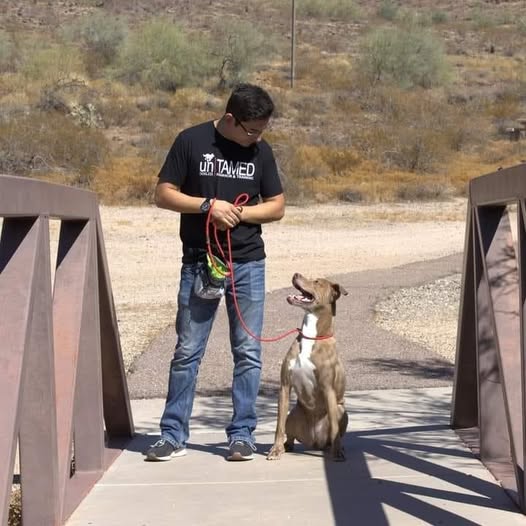
Begin by holding a treat close to your dog’s nose. The scent will capture their attention, making them eager to follow your lead. As you move your hand upwards, their head will naturally follow the treat, causing their bottom to lower. Once they’re in a sitting position, say “sit” clearly and give them the treat immediately, accompanied by affectionate praise. This immediate reward reinforces the behavior, making it more likely that they will repeat it in the future.
Reinforce the Behavior
Consistency is key. Practice this command several times a day in short sessions. As your dog becomes more proficient, start introducing distractions, such as different environments or the presence of other people or pets. Reward them for sitting even amidst these distractions, ensuring that the command is understood regardless of the setting.
Troubleshooting Common Issues
If your dog struggles with the “sit” command, be patient. Some dogs may have difficulty understanding the cue or may be too excited to focus. In such cases, ensure that training sessions are in a quiet environment with minimal distractions. Use enticing treats to capture their attention, and remember to be patient and persistent.
Stay
“Stay” is a vital command for keeping your dog safe and under control, especially in situations where they need to remain in place.
How to Teach: Step-by-Step
Start by asking your dog to “sit.” Once they’re seated, open your palm in front of you and say “stay” firmly but gently. Take a single step back, maintaining eye contact. If they remain in place, reward them with a treat and verbal praise. Gradually increase the distance and duration over multiple sessions, ensuring that they understand the command fully.
Building Duration and Distance
Patience is essential when teaching “stay.” Begin with short durations and small distances, gradually increasing as your dog becomes more comfortable with the command. Always return to your dog before rewarding them, as this reinforces that staying in place is the desired behavior.
Addressing Challenges
Some dogs may find it challenging to remain in place, especially if they are naturally energetic or curious. In such cases, practice in a quiet, familiar environment initially. Use high-value treats and maintain a calm demeanor to encourage them. If they break the stay, calmly guide them back to the starting position and try again without any reprimand.
Come
The “come” command is crucial, especially for off-leash adventures where recall is necessary for their safety.
How to Teach: Step-by-Step
Attach a leash to your dog’s collar for initial training. Get down to their level to create a welcoming environment and say “come” in an enthusiastic tone while gently pulling on the leash. When they reach you, reward them with a treat and affection. This positive reinforcement makes them associate the command with positive outcomes.
Strengthening Recall
Practice the “come” command in various environments, gradually introducing distractions. Use a long leash in open spaces to give them more freedom while still maintaining control. Reward them generously when they respond correctly, reinforcing the importance of coming when called.
Overcoming Recall Issues
If your dog is reluctant to come when called, assess the environment for distractions that may be more enticing than the treat. Use a more valuable reward or increase the enthusiasm in your voice. Remember, coming to you should always be a positive experience for your dog.
Effective Training Techniques
Training your dog requires consistency, patience, and positive reinforcement. Here are some techniques to make training more effective and enjoyable for both you and your pet.
Use Positive Reinforcement
Reward-based training is the most effective method for teaching dogs. Always reward desired behaviors with treats, praise, or playtime. This encourages your dog to repeat the behavior, reinforcing the command in their mind. Positive reinforcement builds a trusting relationship between you and your dog, making them more eager to learn and please.
Types of Rewards
Understand that rewards can vary. For some dogs, a treat is the ultimate motivator, while others may respond better to verbal praise or a favorite toy. Identify what your dog values most and use it as a reward to maximize the effectiveness of your training sessions.
Timing is Key
The timing of the reward is crucial. Aim to reward your dog immediately after they perform the desired behavior, as this helps them associate the action with the reward. Delayed rewards may confuse them, making it harder to establish a clear connection between the command and the reward.
Keep Training Sessions Short
Dogs, especially puppies, have short attention spans. Keep training sessions brief (around 5-10 minutes) and frequent throughout the day to maintain their interest and enthusiasm.
Frequency and Variety
Short, frequent sessions are more effective than long, infrequent ones. Incorporate training into daily routines, practicing commands during walks or playtime. This not only reinforces learning but also makes training a natural part of their day.
Ending on a Positive Note
Always end training sessions on a positive note. If your dog is struggling with a command, switch to one they know well before concluding. This ensures that training remains a positive experience and leaves them eager for the next session.
Be Consistent with Commands
Consistency is crucial in dog training. Use the same word and hand signal for each command to help your dog understand what is expected of them.
Establishing Clear Cues
Choose clear, distinct words for each command and stick with them. Avoid using similar-sounding words that may confuse your dog. Accompany verbal commands with hand signals to reinforce understanding.
Involving the Family
Ensure that everyone involved in your dog’s life uses the same commands and signals. This prevents confusion and reinforces learning, making it easier for your dog to understand and respond to commands consistently.
Practice in Different Environments
Once your dog learns a command, practice it in various settings to ensure they can follow it regardless of distractions.
Gradual Introduction to New Environments
Start by practicing commands in a quiet, familiar environment. Gradually introduce more challenging settings, such as parks or busy streets, to test their ability to follow commands amidst distractions.
Importance of Real-World Application
Practicing in different environments ensures that your dog understands commands in real-world situations. This versatility makes them more reliable and obedient, enhancing their safety and your confidence in their behavior.
Be Patient and Persistent
Training takes time, and every dog learns at its own pace. Stay calm and patient, and don’t rush the process.
Understanding Individual Learning Styles
Just like humans, dogs have individual learning styles. Some may grasp commands quickly, while others take more time. Recognize your dog’s unique pace and adjust your training methods accordingly.
Celebrating Small Victories
Celebrate small victories and progress, no matter how minor they may seem. Acknowledge their efforts and keep the training experience positive, motivating them to continue learning and improving.
Common Dog Training Mistakes to Avoid

by Murilo Viviani (https://unsplash.com/@mviviani)
Even the best intentions can sometimes lead to mistakes in training. Here are some common pitfalls to avoid to ensure a smooth and effective training journey.
Inconsistency
Switching between different words or signals for the same command can confuse your dog. Stick to one word and hand signal per command to avoid misunderstandings.
Importance of Consistency
Consistency helps your dog make clear associations between commands and actions. Inconsistent cues can lead to confusion, making it harder for your dog to learn and respond accurately.
Strategies for Consistency
Create a list of commands and their corresponding signals for everyone involved in your dog’s training. Regularly review and reinforce these cues to ensure uniformity in training.
Negative Reinforcement
Avoid punishing your dog for not following commands. This can lead to fear and anxiety, hindering their ability to learn. Focus on positive reinforcement instead to encourage desired behaviors.
Understanding Negative Reinforcement
Negative reinforcement involves using aversive methods to discourage unwanted behaviors. While it may seem effective in the short term, it can damage the trust and bond between you and your dog.
Emphasizing Positive Methods
Focus on rewarding positive behaviors rather than punishing negative ones. This approach builds a trusting relationship, encouraging your dog to learn and obey willingly.
Overloading Commands
Introducing too many commands at once can overwhelm your dog. Focus on one command at a time until it is mastered before moving on to the next.
Gradual Progression
Take a step-by-step approach to training, ensuring that each command is thoroughly understood before introducing a new one. This prevents confusion and helps your dog build a solid foundation of obedience.
Recognizing Signs of Overload
Watch for signs of stress or confusion in your dog, such as restlessness or reluctance to engage in training. If you notice these signs, slow down the pace and reinforce existing commands before introducing new ones.
Advanced Training Commands
Once your dog has mastered basic obedience commands, you can move on to more advanced commands. Here are a few to consider for enhancing their skills and obedience.
Heel
The “heel” command keeps your dog walking beside you, which is useful during walks in busy areas and ensures control.
How to Teach: Step-by-Step
Hold a treat close to your dog’s nose and say “heel.” Begin walking, encouraging them to stay by your side. Reward them when they maintain the position, reinforcing the command.
Practicing in Different Scenarios
Practice the “heel” command in various settings, such as crowded streets or parks, to ensure reliability. This command is especially valuable in environments where control is essential for safety.
Overcoming Common Challenges
If your dog tends to pull ahead or lag behind, use gentle corrections and consistent reinforcement to maintain their position. Reward them generously when they walk beside you, reinforcing the behavior.
Leave It
This command is useful for preventing your dog from picking up harmful or unwanted items, ensuring their safety.
How to Teach: Step-by-Step
Place a treat in both hands. Show your dog one enclosed hand with the treat inside and say “leave it.” Ignore their attempts to get the treat. Once they stop trying, give them the treat from the other hand.
Reinforcing the Command
Practice the “leave it” command with various objects, gradually increasing the difficulty. This ensures that your dog understands the command in different contexts and situations.
Addressing Challenges
If your dog struggles with the “leave it” command, reinforce their understanding with high-value treats and consistent practice. Ensure that the reward for leaving an item is more enticing than the item itself.
Down
The “down” command can help calm your dog in situations where sitting isn’t sufficient, providing a stronger foundation of control.
How to Teach: Step-by-Step
Have your dog sit. Hold a treat in your hand and lower it to the ground. As your dog follows the treat, say “down.” Once they lie down, reward them with the treat.
Building Duration and Stability
Practice the “down” command regularly, gradually increasing the duration and introducing distractions. This reinforces the command, ensuring that your dog remains calm and composed in various situations.
Troubleshooting Issues
If your dog is hesitant to lie down, be patient and use a gentle guiding hand along with the treat. Ensure that training sessions are positive and rewarding, encouraging them to comply willingly.
Conclusion
Training your dog basic commands is an essential part of responsible pet ownership. It enhances communication, ensures safety, and strengthens the bond between you and your pet. By using positive reinforcement, maintaining consistency, and practicing patience, you can effectively teach your dog the commands they need to thrive in your home and beyond. Remember, every dog learns at its own pace, so be patient and enjoy the journey with your furry friend. Happy training!