5 Reasons Your Dog May Need Training

1. Communication
One of the most significant benefits of dog training is enhancing the communication between you and your dog. Dogs are intelligent creatures, but they don’t instinctively understand human language or social norms. Training provides a common language, allowing you to communicate your expectations clearly. This shared understanding is crucial for building a strong bond between you and your dog, as it fosters mutual respect and understanding.
Effective Communication Techniques
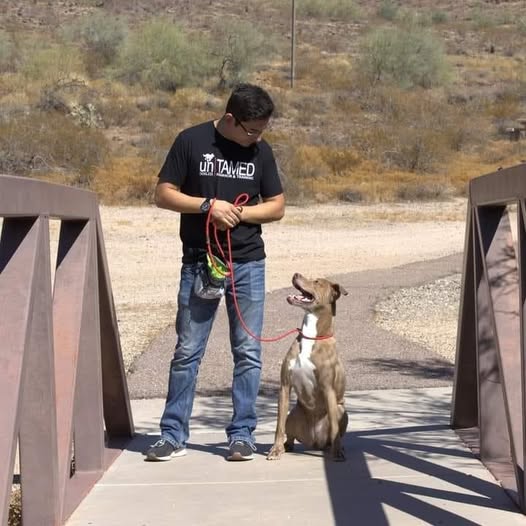
Training helps establish cues and commands that your dog can understand and respond to. Whether it’s basic commands like “sit” and “stay” or more complex instructions, effective communication is the foundation of a well-behaved pet. Consistency and patience are key components of teaching these commands. By reinforcing positive behavior with rewards, you can make learning enjoyable for your dog, encouraging them to respond promptly and accurately. Over time, these techniques can help your dog become more attentive and responsive to your cues.
Addressing Miscommunication
Miscommunication can lead to frustration for both you and your dog. Your dog may become confused and stressed if they cannot understand what you want from them. Training offers solutions by teaching you how to convey your messages in a way your dog can understand, reducing misunderstandings and strengthening your bond. Additionally, it provides you with the tools to interpret your dog’s signals and body language, allowing for a more harmonious interaction. This mutual understanding can significantly enhance the quality of life for both you and your pet.
2. Enhancing Safety

Safety is paramount for both you and your dog. A well-trained dog is less likely to engage in dangerous behaviors, such as running into traffic or confronting other animals aggressively. Training instills a sense of discipline and awareness in your dog, which can be crucial in preventing accidents and ensuring their well-being.
Training for Safety
Commands like “come” and “heel” are vital for ensuring your dog’s safety in potentially hazardous situations. These commands can serve as lifesavers, guiding your dog back to safety when they are tempted to chase a squirrel or wander too far off the leash. Obedience training can prevent accidents and protect your dog from harm by ensuring they respond promptly to your commands. It also provides you with peace of mind, knowing that your dog will listen and respond in critical situations.
Socialization and Safety
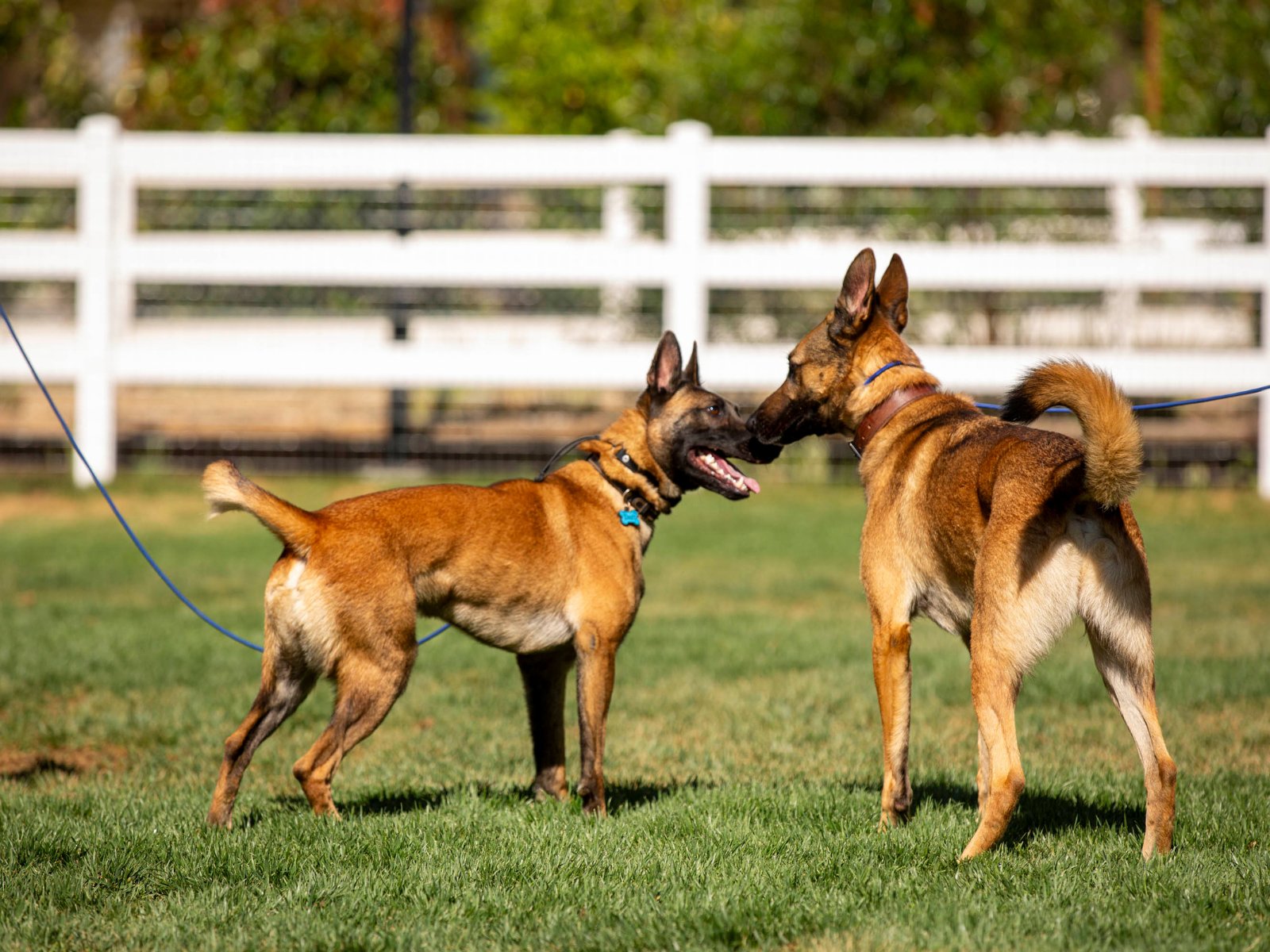
Training also involves socializing your dog with other animals and people, reducing the chances of aggressive encounters. Socialization helps your dog become accustomed to a variety of environments and experiences, making them less likely to react negatively in unfamiliar situations. A well-socialized dog is more confident and less likely to react negatively in new situations. This confidence can prevent fear-based aggression and help your dog navigate the world with ease, making outings more enjoyable for both of you.
3. Resolving Behavioral Issues

by Javad Esmaeili (https://unsplash.com/@javad_esmaeili)
Behavioral issues can be a significant source of stress for dog owners. From excessive barking to destructive chewing, these problems can strain your relationship with your pet. Addressing these issues through training not only improves your dog’s behavior but also enhances the overall quality of life for your household.
Identifying the Root Cause
Training helps identify the underlying causes of behavioral issues. Whether it’s boredom, anxiety, or lack of exercise, understanding the root cause is the first step in addressing the problem. Professional trainers can provide insights into your dog’s behavior, helping you develop an effective strategy. By addressing these issues at their core, you can prevent them from escalating and affecting your dog’s well-being.
Tailored Training Solutions
Once the cause is identified, targeted training strategies can be implemented. For example, if your dog is chewing furniture out of boredom, increased playtime and mental stimulation can be part of the solution. Tailored training plans can address specific behaviors, providing solutions that cater to your dog’s unique needs. This personalized approach ensures that the training is effective and sustainable, resulting in long-term improvements in your dog’s behavior.
4. Building Confidence and Trust
Training is not just about obedience; it’s about building a relationship based on trust and respect. A well-trained dog is more confident and less anxious, leading to a happier life for both of you. This confidence and trust are fundamental to developing a strong and lasting bond with your pet.
Confidence Through Training
Training exposes your dog to new experiences and challenges, helping them become more adaptable and confident. As they learn and succeed in these new tasks, their self-assurance grows, translating into better behavior and a more relaxed demeanor. Confidence gained through training allows your dog to explore their environment without fear, contributing to their overall happiness.
Trust and Reliability
As your dog learns to trust your guidance, you become a reliable leader in their eyes. This trust enhances your relationship, making your dog more willing to follow commands and behave appropriately. A dog that trusts its owner is more likely to be obedient and responsive, creating a harmonious dynamic that benefits both parties. This mutual trust forms the foundation of a fulfilling and rewarding companionship.
5. Creating a Harmonious Home Environment
A well-behaved dog contributes to a peaceful and stress-free home environment. Training ensures that your dog knows how to behave around family members, guests, and other pets. This harmony is essential for maintaining a positive atmosphere in your home.
Encouraging Positive Interactions
Training encourages positive interactions between your dog and other household members. It teaches your dog to respect boundaries and adapt to the dynamics of your home. By learning how to behave appropriately, your dog can become an integral part of the family, participating in activities and social events without causing disruption. This adaptability is crucial for fostering a sense of belonging and acceptance within the household.
Long-term Benefits of Training
The benefits of training extend beyond immediate behavior correction. A well-trained dog is easier to integrate into various aspects of your life, from family outings to social gatherings, enhancing your overall quality of life. This adaptability makes it possible to include your dog in a wider range of activities, strengthening your bond and creating shared experiences. The investment in training pays off in the long run, as it ensures a lifetime of positive interactions and joyful moments with your furry companion.
Finding the Right Training Approach
When it comes to training your dog, one size does not fit all. It’s important to find a training approach that suits both you and your dog’s needs. Different dogs have different personalities and learning styles, so it’s crucial to adapt your methods accordingly.
Professional Trainers
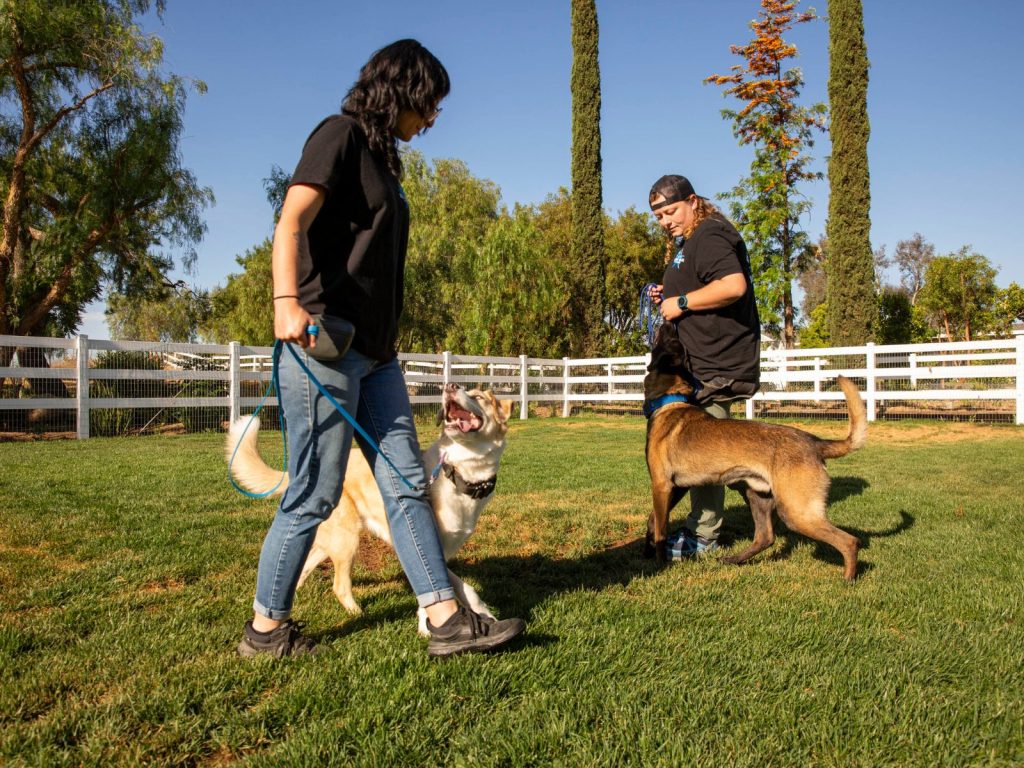
If you’re searching for “dog trainer near me” or “puppy trainer near me,” consider seeking a professional who can offer personalized guidance. Professional trainers have the expertise to address specific issues and tailor training programs to your dog’s personality and behavior. They can provide valuable insights and techniques that you might not be aware of, ensuring that the training is effective and efficient. Investing in professional help can lead to quicker and more sustainable results.
DIY Training Tips
For those who prefer a hands-on approach, there are many “dog training tips” and “puppy training tips” available online. Resources such as a “dog training guide” can provide valuable insights into effective training techniques. DIY training allows you to build a closer relationship with your dog, as you work together to overcome challenges. However, it requires patience, consistency, and a willingness to learn, as you become both teacher and student in the training process.
Conclusion
Training your dog is an investment in their happiness and your peace of mind. Whether you choose professional training or a DIY approach, the benefits of training are undeniable. From improving communication to ensuring safety and resolving behavioral issues, training lays the foundation for a harmonious and fulfilling relationship with your furry companion. It enriches your life by transforming potential challenges into opportunities for growth and connection. Remember, a well-trained dog is not just a pet, but a cherished member of the family. Embrace the journey of training, and enjoy the rewarding experience of nurturing a loyal and well-behaved companion.